Cappadocia means balloons, fairy chimneys and underground cities over 2-3 days; Pamukkale is white travertines plus Hierapolis in half to a full day. An honest comparison of which suits you and how to combine both.
Quick Answer
[Cappadocia](/turkey/nevsehir) and [Pamukkale](/turkey/denizli) offer two very different experiences, so there is no single correct answer to which one is better. Cappadocia is known for fairy chimneys, underground cities and morning balloon views, and seeing it properly takes most travelers two to three days. Pamukkale is known for its white travertine terraces and the Hierapolis ancient city sitting right above them, and most visitors cover it in half a day or a full day.
If your time is short and you want a balloon flight and wide valley walks, Cappadocia stands out. If you want to see one striking natural site together with an ancient city in a short window, Pamukkale is more practical. If you have enough time, seeing both is possible, since most classic Turkey routes place these two stops on the same itinerary.
What Cappadocia Is Like
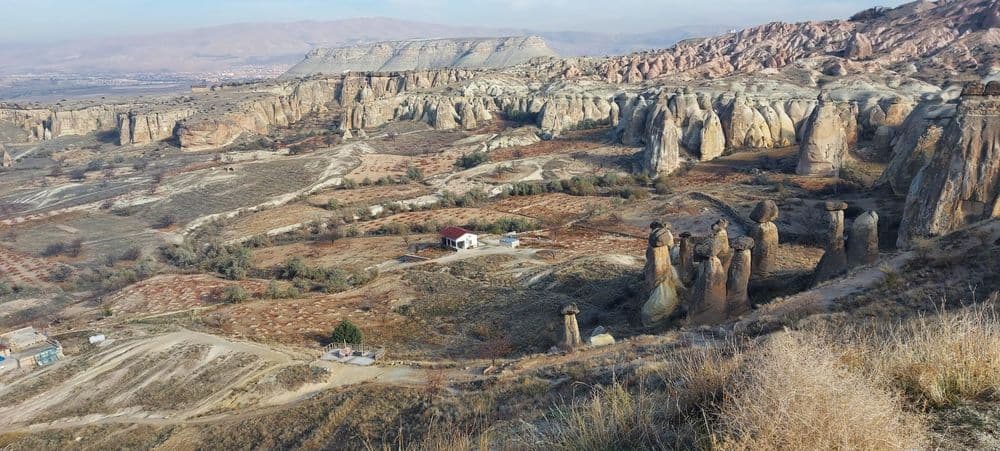
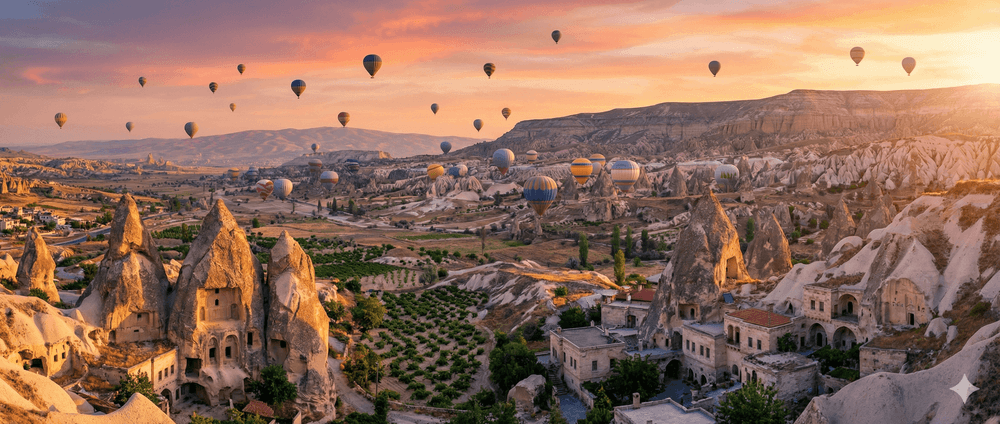
Cappadocia is a wide region around Nevsehir where the rock formations called fairy chimneys spread across valleys. Goreme becomes the base for most travelers, since it gives easy access to the valleys, the open air museum and the balloon launch areas. The Goreme Open Air Museum holds rock-cut churches with frescoes and is one of the most visited spots in the region.
The Derinkuyu and Kaymakli underground cities show a different side of Cappadocia. These multi-level tunnels were real settlements where people once took shelter. They have narrow and low sections, so anyone uncomfortable in tight spaces should take that into account.
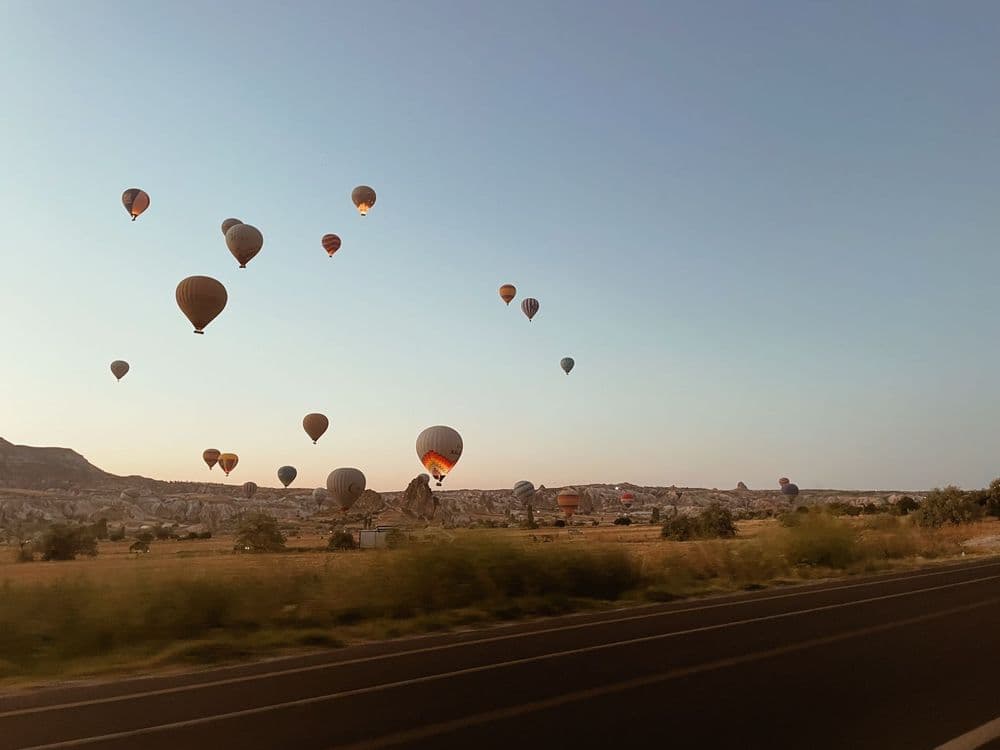
A balloon tour is one of the experiences that make Cappadocia distinct. Flights happen early in the morning and depend on weather, so wind or fog can cancel them. Even without flying, you can watch the balloons rise at sunrise from the hills around Goreme. Confirm current price, timing and cancellation terms directly with the operator or an official source.
Who it suits: travelers who want walking, photography, a balloon flight and several different sightseeing points in one place. Those who can spare two to three days experience the region without rushing.
What Pamukkale Is Like
Pamukkale sits in Denizli province and is known for the white travertine terraces formed over time by calcium-rich hot springs. Certain areas are walked barefoot, and the surface is wet and slippery in places, so care is needed. Conservation rules mean walking is not allowed everywhere, so follow the signs.
Directly above the terraces stands the Hierapolis ancient city. With its theatre, necropolis and wide field of ruins, Hierapolis turns a Pamukkale visit into more than a nature stop. The Antique Pool is a thermal pool with ancient column fragments inside and may have a separate entry condition, so check the current situation with an official source.
If you have extra time in the area, the nearby Laodikeia ancient city can be added. Laodikeia is a large excavation site and offers a quieter visit. Because Pamukkale is not spread across as wide an area as Cappadocia, most visitors finish it in half a day or an unhurried full day.
Who it suits: travelers who want to see one striking natural view together with an ancient city in a short time, those with limited days, and anyone who prefers shorter walking distances.
Comparison: Which One Is for You
- Want a balloon flight: Cappadocia. The balloon experience is central here; Pamukkale does not offer it.
- Short on time: Pamukkale. The terraces and Hierapolis fit into half a day or a full day, while Cappadocia needs at least two.
- Families with children: either can work. Pamukkale keeps walking distances short but the surface is slippery. In Cappadocia the narrow underground city sections can be hard for small children.
- Photography: both are strong. Cappadocia gives sunrise balloon frames, Pamukkale gives white terrace scenes, two different kinds of shots.
- Walking and nature: Cappadocia offers more valleys and trails. Pamukkale is a more compact, concentrated visit.
- Interest in ancient sites: Pamukkale gives nature and history in one stop thanks to Hierapolis. Cappadocia's history comes through rock-cut churches and underground settlements.
Seeing Both
If your trip spreads across five to seven days, seeing both makes sense, since most classic inland-to-Aegean routes place these two on the same path. A typical approach is two to three days in Cappadocia and half a day to a full day in Pamukkale.
There is a long road distance between the two regions, so do not plan to do both in the same day. Most travelers stay in Cappadocia, finish the balloon and valleys, then add Pamukkale as a separate stop. Verify transport options and current durations before your trip, since bus, private car and domestic flight combinations vary by season.
When building the route, think of Pamukkale as part of a larger Aegean or inland itinerary. For example, heading west after Cappadocia, Pamukkale becomes a natural stopover. Decide the order based on your flights and accommodation plan.
When to Go by Season
Cappadocia can be visited year-round, but the experience changes a lot. Spring and autumn offer mild conditions for valley walks and balloons. Summer can be hot and crowded, and midday outdoor sightseeing is tiring, so keeping balloons and valleys for the morning and rest for midday works well. In winter, snow gives the fairy chimneys a different look, though balloon cancellations can become more common. Whatever season you choose, do not tie the balloon plan to a single morning; leave a flexible day if you can.
At Pamukkale, summer middays are very bright and hot on the white terraces, so early morning or late afternoon is more comfortable for both light and crowds. Spring and autumn suit walking through the wide field of Hierapolis ruins better. Since the terrace walk is done barefoot, the surface can feel cold in cool weather, so dress accordingly.
Planning FAQ
- Cappadocia or Pamukkale if I must pick one? Choose Cappadocia for balloons and wide nature, Pamukkale for one natural wonder with an ancient city in a short time.
- How many days for Cappadocia? Two to three days are comfortable for balloons, valleys and an underground city.
- How many days for Pamukkale? Most travelers cover it in half a day or an easy full day; adding Laodikeia makes it a little longer.
- Can I do both in one day? No, the distance is long. Plan separate days and separate accommodation.
- Do balloons fly every morning? No, flights depend on weather and can be cancelled. Confirm current status and price with an official source.
- Can I walk on the Pamukkale terraces? You walk barefoot in designated areas. The surface can be slippery, so follow the signs and conservation rules.
Planning questions
What does this Nevşehir guide cover?
Cappadocia means balloons, fairy chimneys and underground cities over 2-3 days; Pamukkale is white travertines plus Hierapolis in half to a full day. An honest comparison of which suits you and how to combine both.
Can I watch a 4K walking tour of Nevşehir?
Yes. The page links to Travel Walk Tours films so you can preview the Nevşehir route on a big screen before you go.
How should I use this page to plan?
Read the quick answer first, skim the route notes, then compare street texture, timing, and nearby guides through the linked city page and walking films.