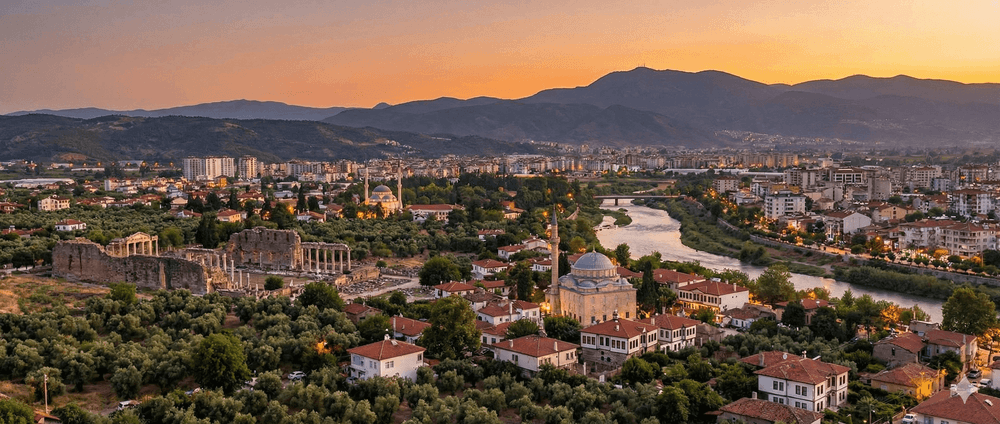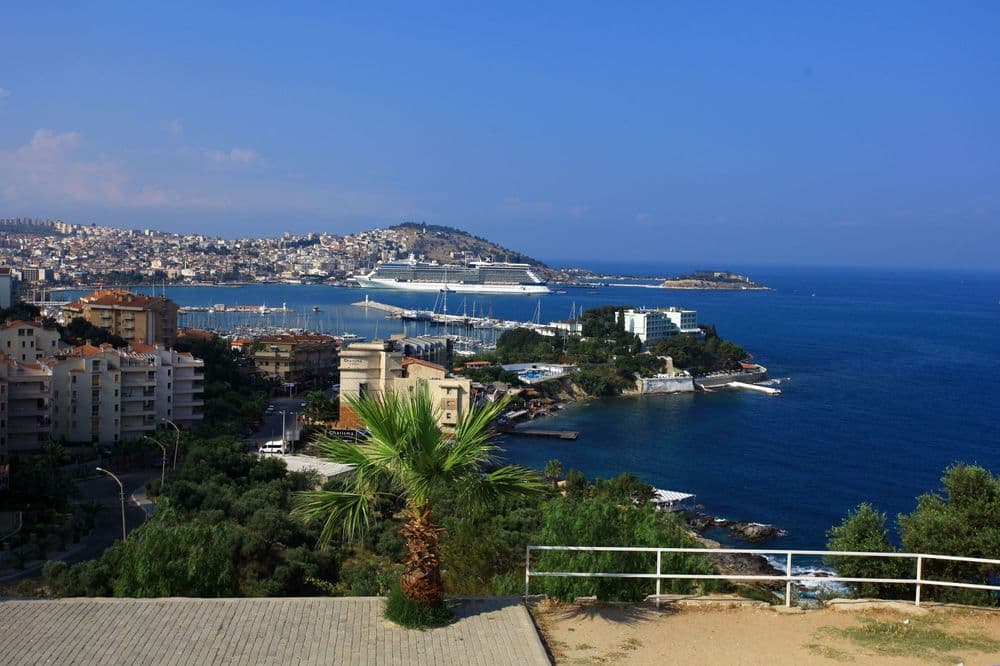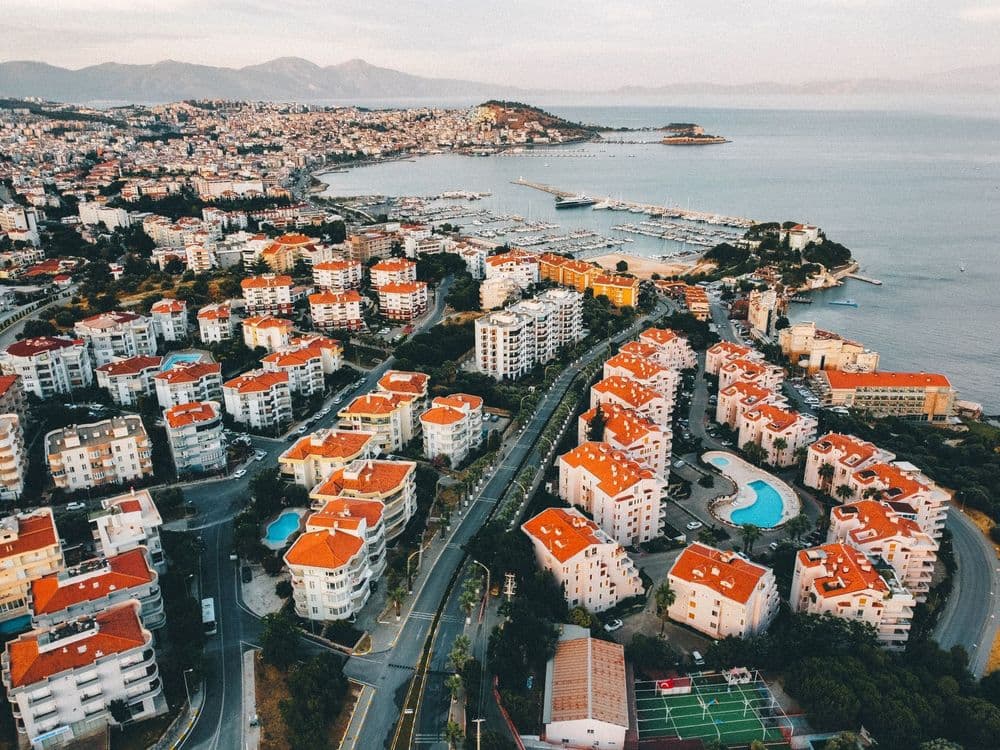
An honest Didim food guide to Aegean meze, seafood, olive-oil dishes, market produce and budget control between Altinkum and Akbuk.
The Short Answer
Didim's table has three layers: the Aegean's olive-oil-and-wild-greens tradition, the gulf's fish, and — surprising to some — a genuine full-English-breakfast scene brought by the town's long-settled British community. Escaping the tourist menu works the same everywhere: go one or two streets behind the strip, into the center's lokantas, and to the market-day stalls.
What to Eat
- Wild greens and olive-oil dishes: samphire, golden thistle, wild radish greens — the Aegean greens plate opens the meal here too; ask for it with vinegar and olive oil.
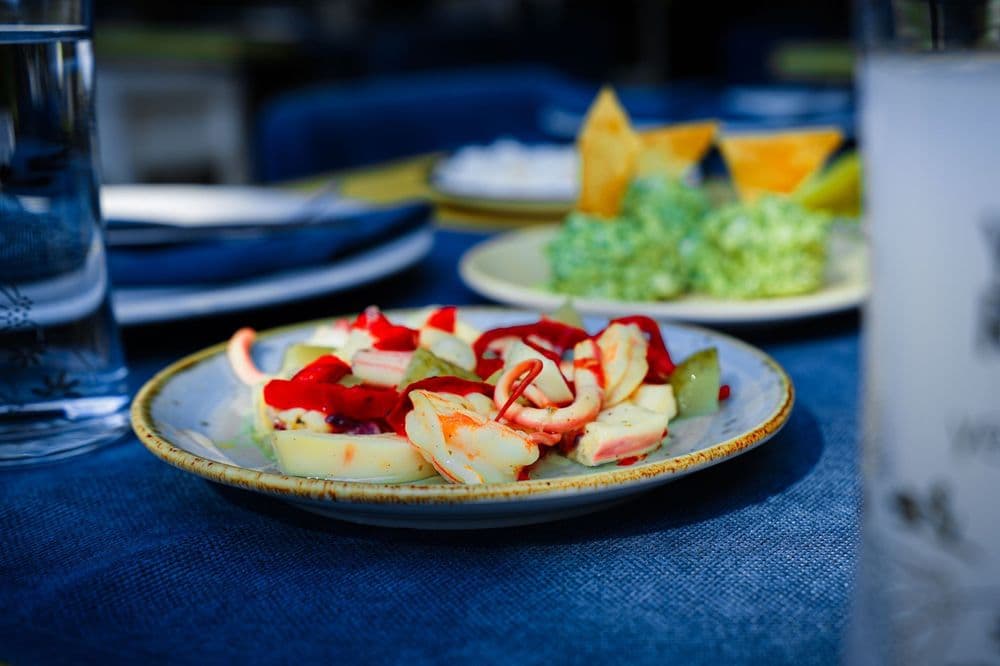
- Fish and seafood: seasonal catch (sea bream, sea bass; sardines and bonito in their months) grilled plain is best; calamari and shrimp casserole are the shore classics. Asking "what's today's fish?" isn't rude — it's smart.
- Gözleme and village breakfast: at the markets and roadside stands, fresh-griddled gözleme with village cheese and olives is the cheapest happy meal in town.
- The British line: pub culture on the Altinkum strip is real — fish and chips and full English breakfasts are part of local folklore now, and good fun as an experience.
- Sweet things: ice cream escorts the promenade walk; take figs, almonds, and local honey home from the markets.
Where to Eat
- Didim center lokantas: stews, casseroles, and home-style lunches at prices noticeably kinder than the shore.
- The Altinkum strip: good for the view and evening buzz, but most kitchens cook for tourists; pick places with visible prices and Turkish families at the tables.
- The Akbuk promenade: family-run fish restaurants and breakfast spots — the district's most peaceful dinner tables.
- Market days: the Didim and Mavisehir markets stock your breakfast table with producer cheese, olives, and season fruit.
Honest Warnings
- Never sit at a fish restaurant without visible prices; ask the per-kilo price and portion weight up front — the classic seaside bill surprise lives here too.
- "Fresh today" cannot be true of every fish; order out-of-season species knowing they may be frozen.
- First-line drink prices can run double the center's; it's usually the drinks, not the food, that swell the bill.
- Off season most shore venues close; from November to April the center lokantas are the safe harbor.
Frequently Asked Questions
- What's Didim's signature dish? Less one signature than a trio: the greens plate, grilled fish, and a market breakfast.
- When is fish best? October–April is the peak for variety and flavor; in summer, farmed bream and bass are the standard.
- Where's the budget meal? Center lokantas and the market gözleme griddles.
- Vegetarian options? The Aegean kitchen is generous: greens, olive-oil dishes, and gözleme varieties more than cover it.
Planning questions
What does this Aydın guide cover?
An honest Didim food guide to Aegean meze, seafood, olive-oil dishes, market produce and budget control between Altinkum and Akbuk.
Can I watch a 4K walking tour of Aydın?
Yes. The page links to Travel Walk Tours films so you can preview the Aydın route on a big screen before you go.
How should I use this page to plan?
Read the quick answer first, skim the route notes, then compare street texture, timing, and nearby guides through the linked city page and walking films.