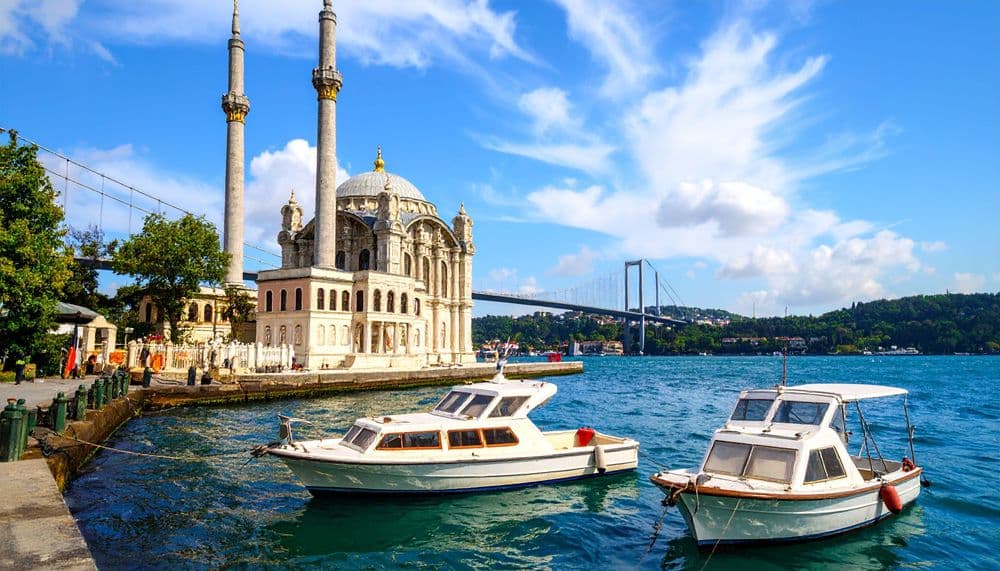
The best time to visit Turkey depends on your trip. April-May and September-October are the most balanced; summer is beach season, winter is calm for cities and Cappadocia. A season and month by month planning guide.
Walk this route
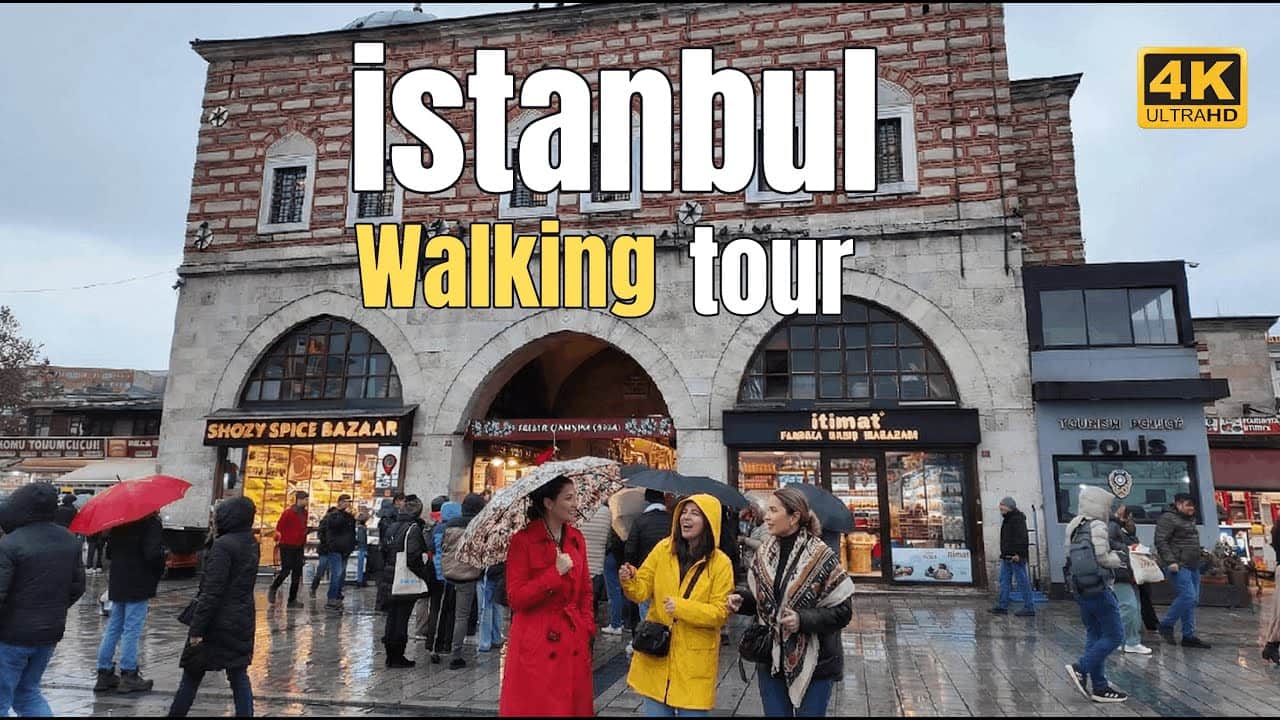
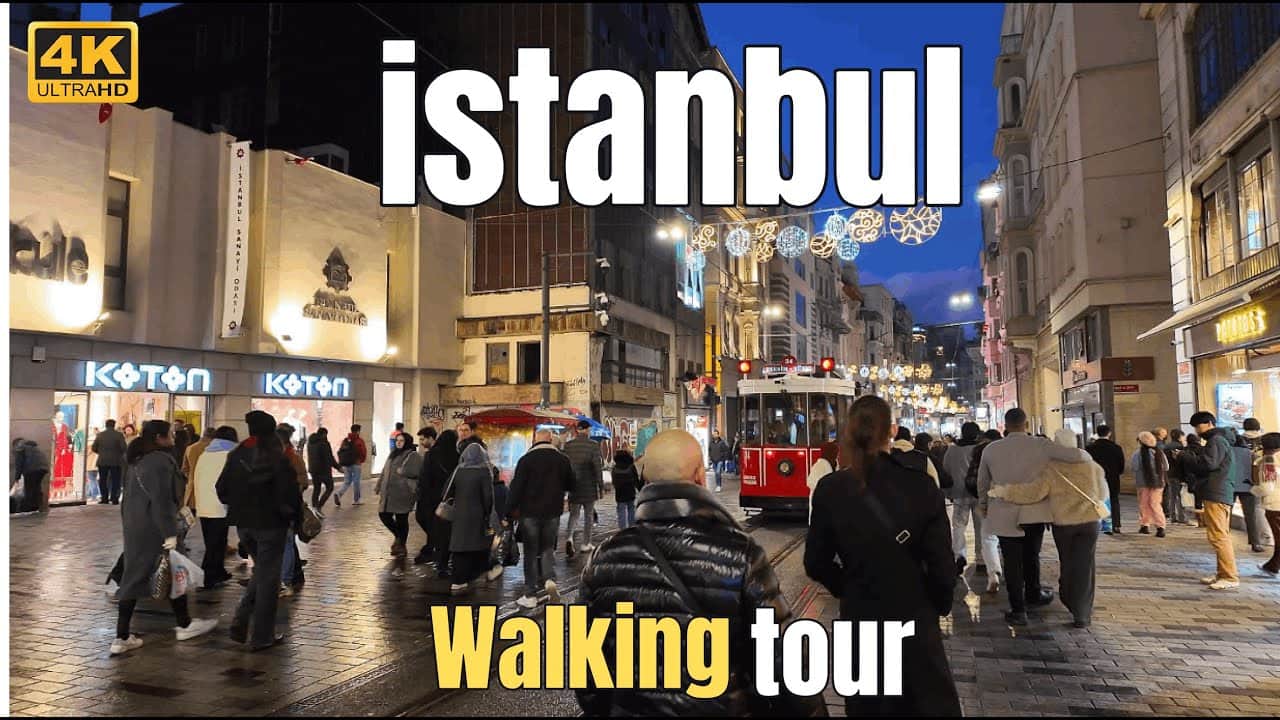
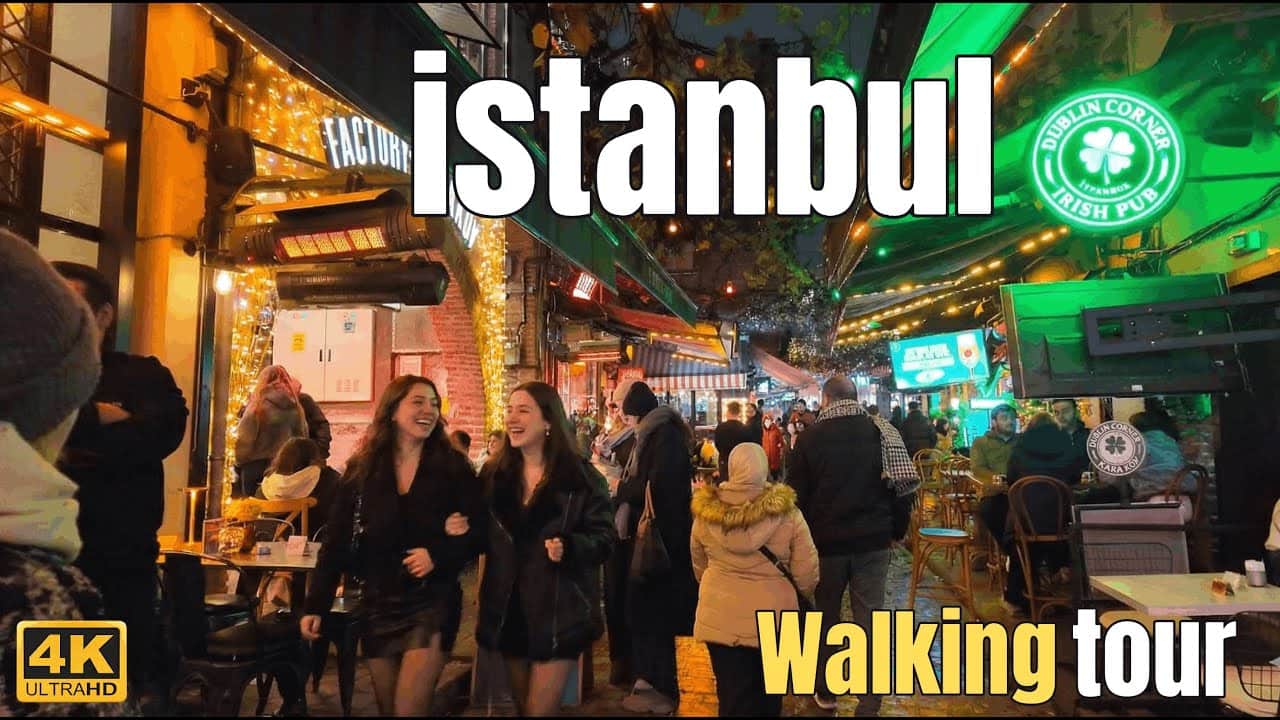
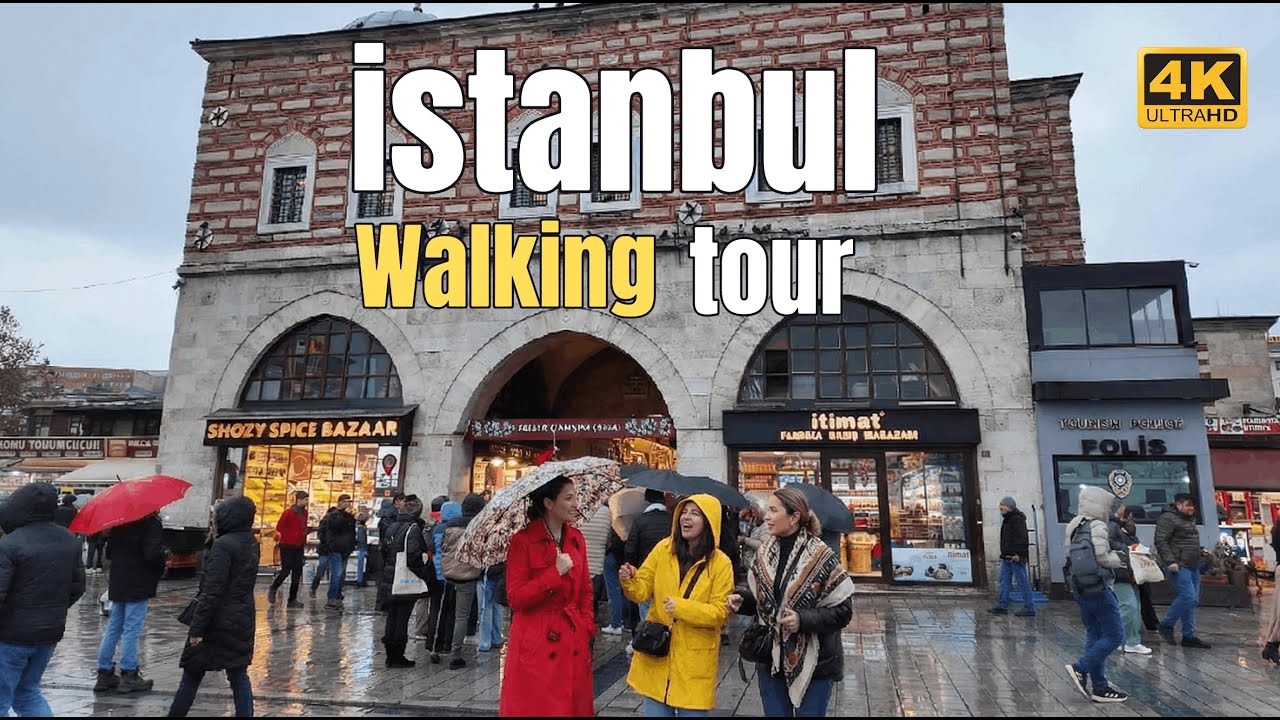
Istanbul Walking Tour 4K – Historic Streets, Crowded Bazaars & Timeless Atmosphere
Watch the 4K walkQuick Answer
The most balanced months to visit Turkey are usually April to May and September to October. In these windows the weather is mild across most regions, crowds are lighter than the summer peak, and prices sit in the middle range. Summer, from June through August, is hot and busy along the Aegean and Mediterranean coasts. It is the heart of the beach season, but sun, crowds and prices all run high.
Winter is quiet and often calm for Istanbul, Cappadocia and the inland regions. Cappadocia and central Anatolia can turn snowy at times, and Istanbul stays cool and rainy. So the right time depends on what you want to do. A beach holiday, a city and culture trip, a balloon flight, or a budget focus each point to different months.
Below you will find a season overview, then a short month by month guide, and finally a quick way to choose based on your trip style.
Turkey by Season
Turkey is a large country and does not have one single climate. As a rough split, the Aegean and Mediterranean coasts are hot and dry in summer and mild in winter. Central Anatolia is continental, with hot summers and cold, sometimes snowy winters. The Black Sea coast stays green and humid for much of the year and can see rain in any season. The eastern provinces are clearly cold in winter.
Spring (late March, April, May) is the most comfortable window for most travelers. The air warms up, nature turns green, and city sightseeing happens without heat stress. Istanbul, Cappadocia and the ancient sites are ideal for walking in this period. The sea may still be cool in many places.
Summer (June, July, August) is the coast and swimming season. The shores of Antalya, Mugla and Izmir are at their liveliest. The sea is warm and the days are long, but heat, crowds and prices all peak. Exploring open ancient sites at midday can be tough, so early morning or late afternoon is smarter.
Autumn (September, October, early November) is, for many people, the most balanced part of the year. The sea holds its summer warmth for a while, crowds thin out, and city trips get easy again. As October moves on, inland areas cool down.
Winter (December, January, February) is off season for the coast but a calm time for cities and culture. Istanbul is cool and rainy at times. Cappadocia takes on a completely different look under snow, and balloon flights depend on weather and can be cancelled. In the east, skiing and winter landscapes come to the front.
Month by Month Guide
January: One of the quietest months of the year. Inland areas and Cappadocia are cold and sometimes snowy, Istanbul is cool. Crowds are light and accommodation is relatively affordable. Good for city museums and indoor sites.
February: Similar to January. Mid winter, off the coastal season. Cappadocia is striking on snowy days. Ski areas can be busy. Too early for beach based plans.
March: The end of winter and the start of spring. Weather can be changeable. Toward the end of the month, Istanbul and the Aegean start warming up for city trips. Crowds are still low.
April: One of the best months for city and culture trips. Mild air, green landscapes, reasonable crowds. Istanbul's tulip season falls around this month, but confirm exact dates from an official source. The sea is still cool in most places.
May: The peak of spring. The weather is generally pleasant, days grow longer, and it is ideal for ancient sites and nature walks. The sea starts warming along the Aegean and Mediterranean. The summer crowds have not fully arrived yet.
June: The opening of the swimming season. The coasts warm up and the days are long. From mid month, crowds and prices climb. A balanced transition month for those combining coast and city.
July: The summer peak. The coasts are at their hottest and busiest. The sea is ideal, but midday heat inland and at open ancient sites can be tiring. Booking accommodation early makes sense.
August: Similar to July, and the hottest period of the year in most places. Beaches are full and prices are high. It is the core of the beach season, but not for those seeking cool air and calm.
September: For many travelers, the best month. The sea is still warm, crowds ease, and the air softens. A strong choice for combining a beach holiday with sightseeing. Prices slowly come down.
October: A lovely part of autumn. City trips are very comfortable again. The sea may still be swimmable early in the month and cools toward the end. A pleasant month for Cappadocia and inland areas.
November: A transition month. The air cools and rain can increase. The coastal season largely ends. A calm and affordable period for cities and culture begins.
December: The start of winter. Istanbul can be cool and rainy, while Cappadocia and inland areas are cold. Cities liven up around the new year. Good for those wanting snowy scenery and quiet city walks.
How to Choose
If you want a beach and swimming holiday, the safe window runs from mid June to late September. If you want to dodge some of the heat and crowds, early June and September give the best balance. The shores of Antalya, Mugla and Izmir are lively then. July and August are the hottest and most expensive.
If city and culture come first, April to May and September to October are ideal. In places like Istanbul, Bursa, Ankara and Canakkale, walking in these months does not leave you sweating, and museums and historical sites are less crowded. Cities also work in winter. Just be ready to dress warm and for possible rain.
For Cappadocia and balloon flights, spring and autumn offer the most stable weather. Cappadocia gains a different look under winter snow, but balloons depend on wind and conditions and can be cancelled in any season, so plan the flight with a reliable operator and official information.
If budget is your priority, the winter months along with transition periods like November and March usually offer the lowest prices. Away from the coast, places like Mardin, Trabzon and Denizli can be visited off season both calmly and more cheaply. Check current prices before booking.
Planning FAQ
When is the cheapest time to go? Usually the winter months (January to February) along with transition periods like November and March are the most affordable. In coastal regions, off season accommodation drops noticeably, but some seaside businesses may be closed.
How do I avoid the crowds? Stay away from the July and August peak. For the coast, early June and September are calmer; for cities, April to May and October. Early morning hours are more comfortable in popular spots in any season.
When is the swimming season? Along the Aegean and Mediterranean, the sea is generally comfortable from June through late September. Late May and early October are the shoulder edges, and water temperature varies by year and region, so check a current source for exact figures.
When is the best time for Istanbul? April to May and September to October are the most balanced periods. Summer is hot and crowded, winter is cool and rainy at times, but the city works in any season.
When should I visit Cappadocia? Spring and autumn have the most stable weather. Winter offers snowy scenery but is cold, and balloon cancellations can rise. Planning the balloon flight with a flexible day is wise.
Planning questions
What does this İstanbul guide cover?
The best time to visit Turkey depends on your trip. April-May and September-October are the most balanced; summer is beach season, winter is calm for cities and Cappadocia. A season and month by month planning guide.
Can I watch a 4K walking tour of İstanbul?
Yes. The page links to Travel Walk Tours films so you can preview the İstanbul route on a big screen before you go.
How should I use this page to plan?
Read the quick answer first, skim the route notes, then compare street texture, timing, and nearby guides through the linked city page and walking films.