A first-timer's classic route through Turkey: Istanbul, Cappadocia, Pamukkale and Ephesus. A 10 to 14 day day-by-day plan with practical tips and a planning FAQ.
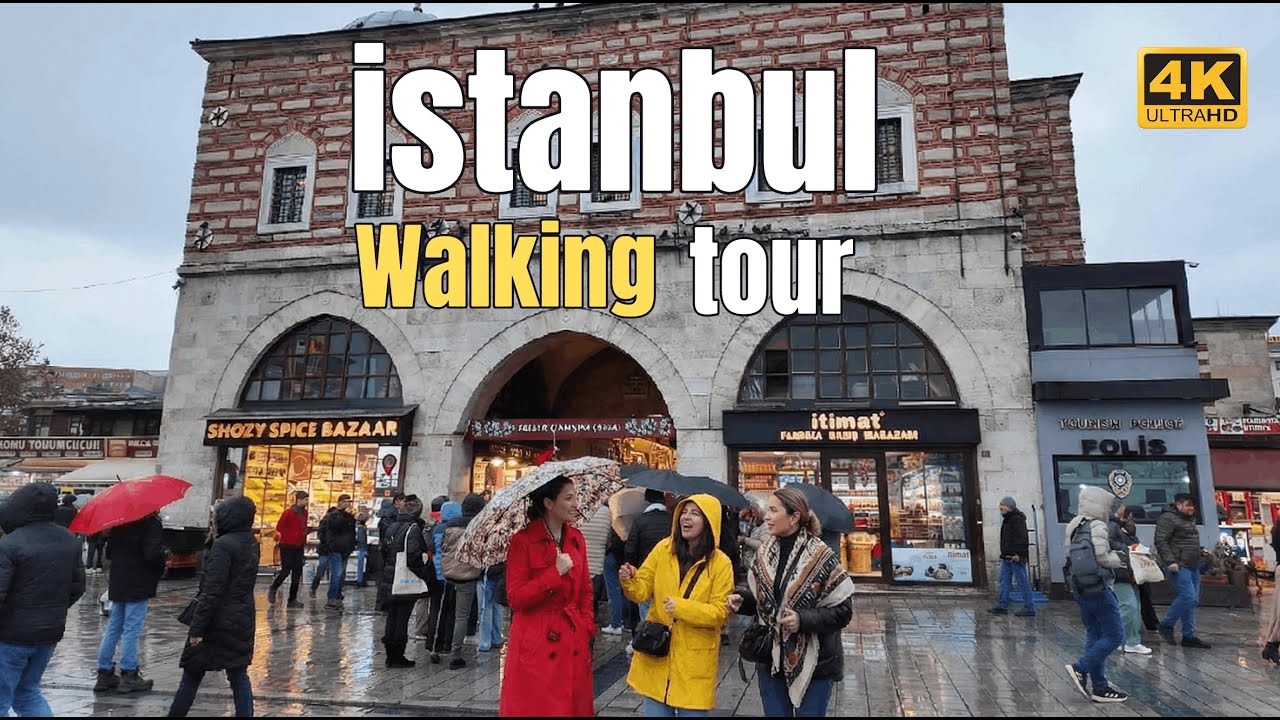
Walk this route
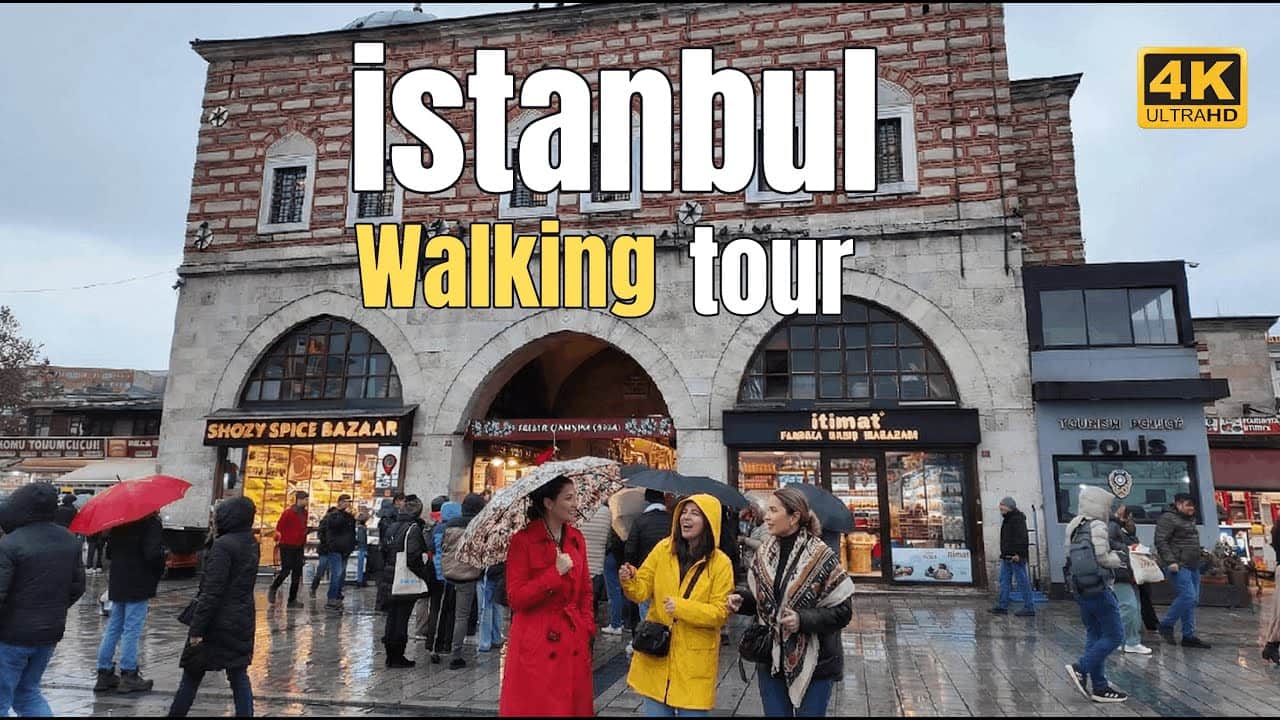
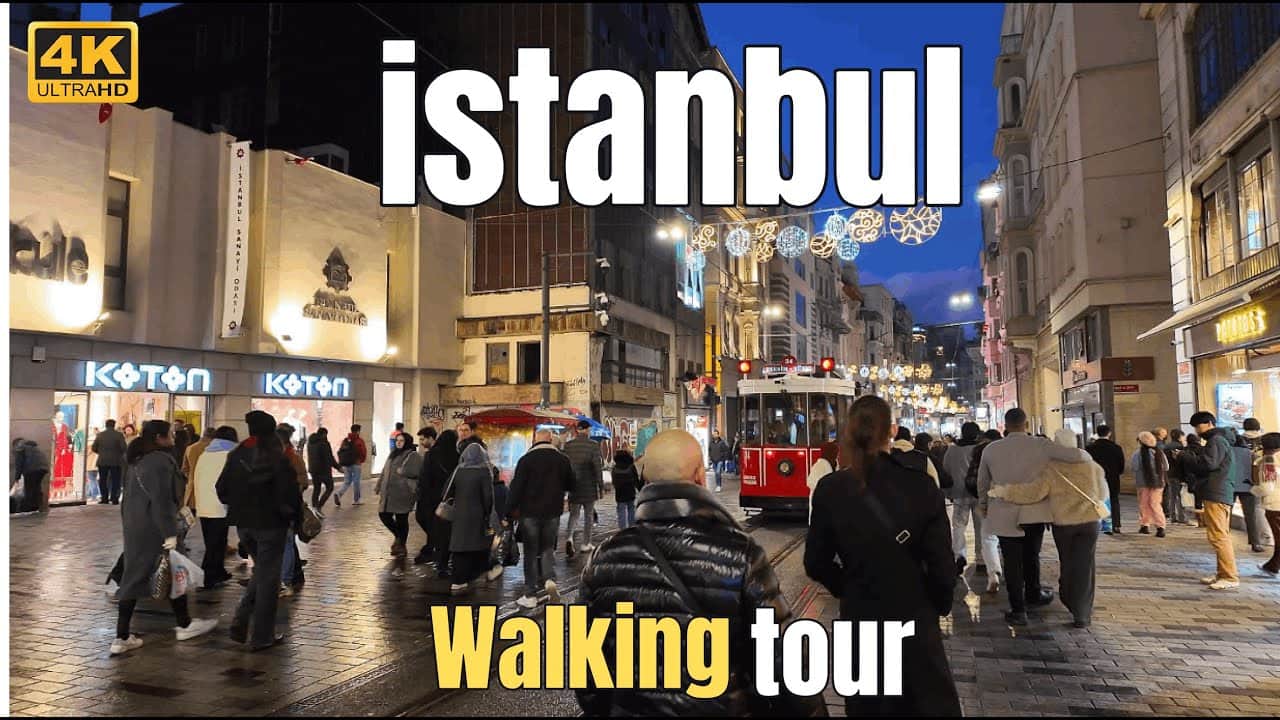
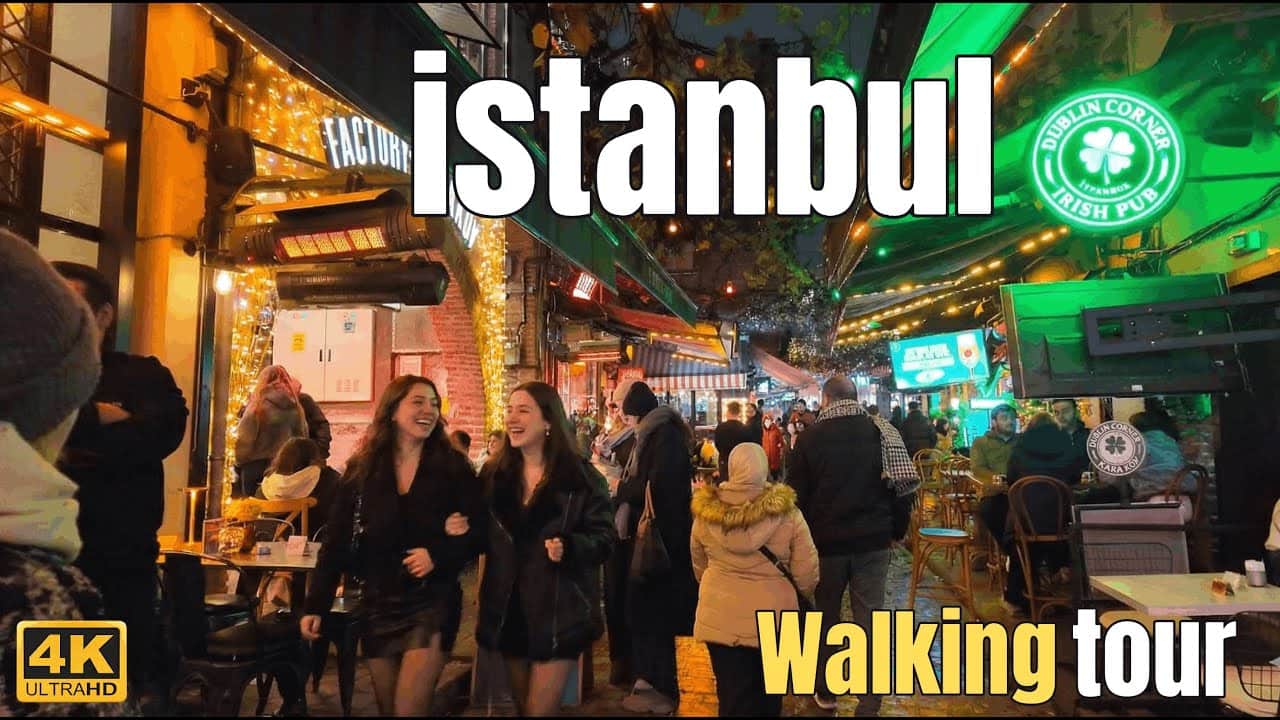
Istanbul Walking Tour 4K – Historic Streets, Crowded Bazaars & Timeless Atmosphere
Watch the 4K walkQuick Answer
If you are visiting Turkey for the first time, the classic route runs along the Istanbul, Cappadocia and Aegean axis. Start in Istanbul, then move to Cappadocia, then see the Pamukkale and Ephesus line. If you have extra time, add Antalya to bring the Mediterranean coast into the plan. For this route, 10 days is the lower limit and 14 days is a comfortable upper limit.
Under ten days you end up shortchanging either Istanbul or Cappadocia. Two weeks let you combine four main regions without rushing. Turkey is large on the map and distances between cities are long, so keeping the number of regions small is more enjoyable than staying on the road all the time.
The Classic First-Timer Route
Most first-time visitors follow the same core axis because the order makes sense both geographically and in terms of experience. Istanbul is the natural entry point: most scheduled and connecting flights land here, the city needs a few days on its own, and it packs Ottoman and Byzantine heritage into the same walking radius. [Istanbul](/turkey/istanbul), with its historic peninsula, the Bosphorus and the bazaar district, fills your first days easily.
The second stop is usually Cappadocia. The fairy chimneys, underground cities and balloon views around [Nevsehir](/turkey/nevsehir) offer a nature experience completely different from Istanbul's dense urban pace. Placing the two regions back to back lets you see both the city and rural Anatolia on the same trip.
The third stage is the Aegean and inner west line. The Pamukkale travertines and the ancient city of Hierapolis near [Denizli](/turkey/denizli), followed by the ancient heritage around [Ephesus and Izmir](/turkey/izmir), make up this section. This triple axis covers the country's most recognized sights, which makes it a safe backbone for a first visit.
Why this order? Because transport flows in this direction. Domestic flights from Istanbul to Cappadocia are frequent. Coming down from Cappadocia to the west to see the Pamukkale and Ephesus line sweeps the country from east to west and brings you closer to the coast. The optional addition of [Antalya](/turkey/antalya) then closes the route by the sea, mixing Mediterranean rest with ancient sites.
Two-Week Day-by-Day Route
The plan below splits fourteen days into four main regions. Do not count flight and transfer days as lost days; keep them light and leave room to rest.
Days 1-4: Istanbul
Give the first day to the Sultanahmet area. Hagia Sophia, the Blue Mosque and the Hippodrome square in between are within walking distance. Confirm current entry, ticket and visiting hours from official sources, since these conditions change over time.
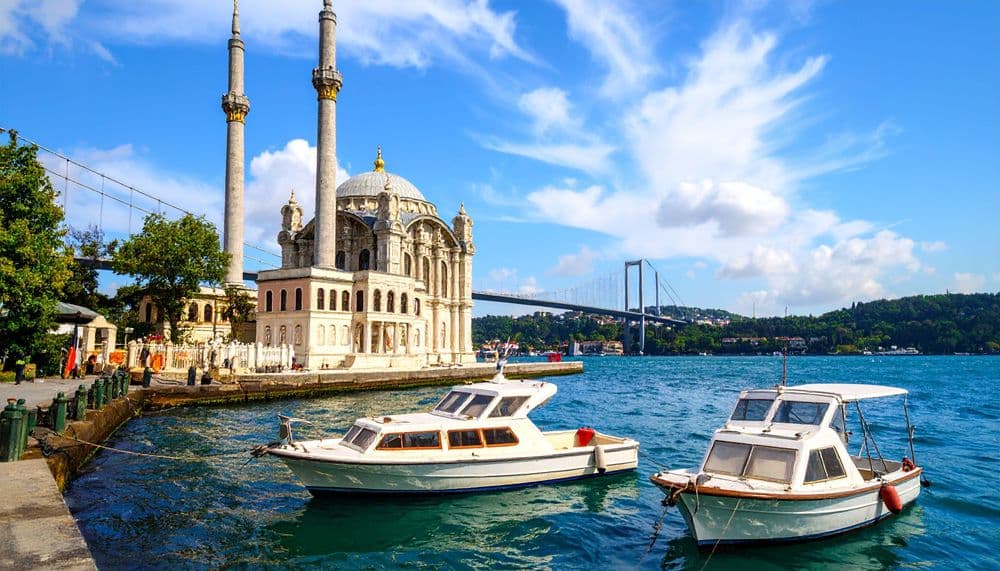
On the second day do Topkapi Palace and the Grand Bazaar line. The third day can go to the Bosphorus: a ferry ride, the Ortakoy and Besiktas shore, and a crossing to the Asian side make a nice balance. The fourth day can stay flexible for bazaar shopping, a museum or a neighborhood walk such as Balat. This day also works as a buffer before the flight to Cappadocia.
Days 5-7: Cappadocia
The fifth day usually goes to a morning flight into Nevsehir or Kayseri and settling into the region. In the afternoon, start with the Goreme Open Air Museum or one of the nearby valleys.
The sixth day is the classic Cappadocia day. A balloon ride requires a very early start and depends on weather conditions, so leave a flexible day for it. After the balloon, you can walk the Rose, Pigeon or Pasabag valleys. On the seventh day you can combine an underground city such as Derinkuyu or Kaymakli with a walk through the Ihlara Valley.
Days 8-10: Pamukkale and Ephesus
The eighth day goes to the transfer west from Cappadocia. Sort out transport in advance; this is the longest leg of the route and usually needs a flight plus a road segment. Plan to arrive near Denizli in the evening.
The ninth day is for the Pamukkale travertines and the ancient city of Hierapolis. There are walking rules on the travertine terraces and you may need to remove your shoes, so follow the current signs on site. The tenth day is for the Ancient City of Ephesus. Ephesus is large and open, so in the hot months go early in the morning and bring a hat and water. Selcuk and the Izmir area belong to the same line.
Days 11-14: Antalya or Back to Istanbul
From here there are two paths. If you want the sea and the coast, move to Antalya: the Kaleici old town, the Antalya Museum and nearby ancient cities mix with beach days. This section ends the route on a restful note.
If your time is tight, returning to Istanbul from the eleventh day to absorb what you have seen, catch a point or two you missed, and reach your departure flight comfortably is also a valid choice. For the return flight, keep the last day light and close to the airport.
Practical Tips for First-Timers
Confirm visa and passport rules from official sources before you travel. Turkey's visa practice varies by country and is updated over time, so get the exact information from the official channels of your own country and of Turkey. Passport validity matters for entry in most countries, so check it early.
On money, the local currency is the Turkish lira. Card use is common in big cities, but keep some cash on hand for small shops, markets and some rural spots. When exchanging currency, prefer places that give an official and visible rate.
For transport, a public transit card makes city travel in Istanbul much easier. For long distances between cities, domestic flights save time; in regions like Cappadocia and Pamukkale, a pre-arranged transfer or tour is practical for most visitors because of the distances.
On clothing, dressing in layers is the safest approach. Mosque visits require clothing that covers shoulders and knees, and a head covering for women, so carrying a light scarf helps. Comfortable, non-slip shoes are essential for ancient cities and the Cappadocia valleys.
The season sets your expectations. Spring and autumn are the most balanced periods for most visitors: the weather is mild and sites are less crowded. Summer is hot and busy, so use the morning hours especially at open ancient cities. Winter can be calm and atmospheric for Istanbul and Cappadocia, but balloon rides and some outdoor services may be interrupted by weather.
Planning FAQ
- How many days are ideal for a first Turkey visit? Ten days cover the core route, and fourteen days combine the four regions comfortably. With fewer days, reduce the number of regions.
- Istanbul or Cappadocia first? Because most flights land in Istanbul, people usually start there and then take a domestic flight to Cappadocia.
- Are Pamukkale and Ephesus in the same area? They are on the same western line and are efficient to see back to back; Denizli and the Izmir area are relatively close.
- Is Antalya a must? No. Antalya is a nice addition for those who want the sea and the coast, but it is not required. If your time is short, you can leave it out.
- Should I rent a car? For most people on a first visit, no. Domestic flights, transfers and city public transport handle this classic route easily.
- What should I do about a visa? Confirm your own country's situation and the current rules from official sources before traveling. This information varies by country and is updated over time.
Planning questions
What does this İstanbul guide cover?
A first-timer's classic route through Turkey: Istanbul, Cappadocia, Pamukkale and Ephesus. A 10 to 14 day day-by-day plan with practical tips and a planning FAQ.
Can I watch a 4K walking tour of İstanbul?
Yes. The page links to Travel Walk Tours films so you can preview the İstanbul route on a big screen before you go.
How should I use this page to plan?
Read the quick answer first, skim the route notes, then compare street texture, timing, and nearby guides through the linked city page and walking films.