Plan Kas and Kalkan around the pebble coves, Kaputas, the King's Tomb, Kalkan, Patara and Saklikent with realistic transport notes.
Walk this route
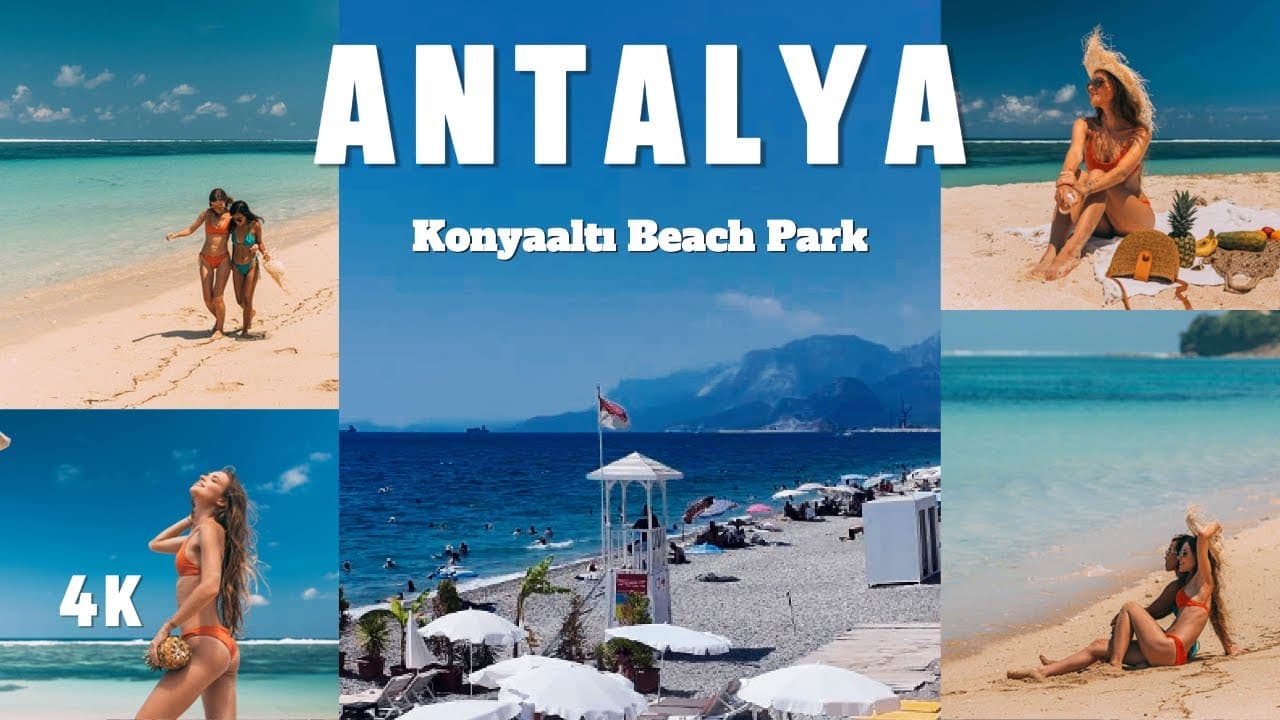
3.5 Km Walk in 35 Degrees | Turkey Antalya Konyaaltı Coastal Road 4K Walking Tour
Watch the 4K walkPlaces on the map
16 pinsNumbers match the order in the article. Tap a pin for directions.
--- title: "Kas and Kalkan travel guide: diving, pebble coves and Lycian tombs on the Lycian coast" description: "An honest guide to Kas and Kalkan: small pebble coves, a re-verified Kaputas beach location, the King's Tomb, the Meis ferry reality, Patara, Saklikent and the Gombe highlands. Who each town suits, when to go and how to get there." lang: "en" region: "Antalya" district: "Kas" ---
Kas and Kalkan: two towns on the same sea, with different tempers
Kas and Kalkan sit in the western part of Antalya province, close together on the Lycian coast. Both belong administratively to the Kas district, and a winding coastal road of about half an hour connects them. They look out on the same sea, but their characters diverge. Kas is more bohemian and dive-focused, with cafes, small workshops and a steady buzz along its narrow lanes. Kalkan clings to a steeper slope and is known for its stone houses, boutique hotels and terrace restaurants; its evenings are quiet and, in plain terms, expensive.
The single most important thing to understand before arriving is this: there is no wide sandy beach in either town centre. The coves are small and pebbly, the water deepens almost at once, and it is very clear. The beaches within walking distance are made of narrow jetties, platforms and strips of shingle. Anyone who wants a long, genuine sandy beach has to head west in the district to Patara.
Who is this coast for? People who want a calm holiday, swimming in clear water, diving and boat trips. Kalkan suits those after boutique lodging, views and good evening meals; Kas suits those who want street life, diving and a livelier centre. Who is it not for? People who want to walk straight from their room onto a long stretch of sand, and travellers on a very tight budget who plan to stay in Kalkan specifically. Kalkan leans heavily on villa tourism and is generally pricier than Kas. The common mistake is arriving in the town centre expecting sand. Build your expectations around pebble coves, clear water and steep lanes and you will leave happy.
Quick answer
Come to Kas for diving and bohemian street life, to Kalkan for boutique stays and terrace dinners, and to Patara in the west of the district for real sand. The Lycian ruins, the coves and the inland canyon and waterfalls are best combined as day trips from these two towns.
- The town-centre coves are small and pebbly and the water deepens fast; water shoes help.
- Kaputas is the cove from the photos, but summer middays are very crowded, shade is scarce and parking is limited.
- Kalkan is quieter and more expensive than Kas; there is no big beach in the centre and platform swimming dominates.
- There is a ferry to the Greek island of Meis from Kas harbour, but you need a passport and a visa; confirm the current rules with an official source.
- Saklikent runs along the Antalya-Mugla provincial border; the main entrance is usually referred to on the Mugla, Seydikemer side.
- Check opening details and entry information for the ancient sites on muze.gov.tr before you go.
Places to see
1. Kas town centre and Uzun Carsi
Kas, known in antiquity as Antiphellos, is a small harbour town. The centre is a web of narrow, steep lanes dropping to the sea. Courtyards draped in bougainvillea, small shops, workshops and cafes form the fabric of these streets. Uzun Carsi, the "long market", is the busiest walking line in the centre, where craft, jewellery and gift shops cluster. It is a good place to wander when the air cools in the late afternoon; in the midday heat the steep slopes can be tiring. The area around the harbour is the heart of the town, where boat trips depart and the square comes alive in the evening. Rather than driving into the centre, it is usually easier to park higher up and walk down, because the streets are narrow and parking is tight. Comfortable shoes genuinely make a difference here. The best way to see Kas is not to work through a checklist but to lose yourself in the streets, since most of what you want to see is within walking distance.
2. Antiphellos ancient theatre
Just west of the centre, reachable on foot, is a small Hellenistic theatre. Roughly two thousand years old, it is set into a slope facing the sea, and most of its seating rows are still standing. The stage building has largely vanished, but the gap in the tiers that opens toward the water is its most photographed feature. Arrive close to sunset and the light softens while the crowds thin; sitting on the stone rows, you can look across to the island of Meis. The site is usually open and free to walk through, but it is worth confirming the current situation on the spot. There is no shade and the stones heat up at midday, so early or late hours are more comfortable. Because it is close to the centre, treat the theatre as a natural stop on a walk through Kas rather than a separate excursion. Bring a hat and water.
3. The King's Tomb (Lycian sarcophagus)
Standing upright among the streets of Kas is a Lycian sarcophagus known locally as the King's Tomb. It is an easy walk from the centre, a tall stone monument rising in the middle of a lane. The body of the tomb rests on a base, topped by a heavy, arched lid. This type of tomb dates from the Lycian period and is characteristic of the region; it may be the easiest historical marker to find in Kas. It is surrounded by houses and shops, so you need no ticket or guided visit to see it, it simply appears as you walk. There are other, smaller Lycian sarcophagi scattered through the streets of Kas, so keep your eyes open. Early morning is better for photographs, since shade and crowds build up in the narrow lane during the day. Think of it as a short pause, a natural part of a stroll through the centre that takes only a few minutes.
4. Kucuk Cakil beach
Kucuk Cakil, the "small pebble" beach, is a little cove closer to the harbour. It is a very short walk from the centre, which makes it practical for a quick cool-off. The surface is pebble and the area is narrow, so it fills up fast on busy days. There are a few cafes and rows of loungers, and the water is clear and deep almost immediately. Because the cove is small, arriving early in the morning is an advantage for finding a spot. Its greatest strength is its closeness to the centre; you can pair a coffee break with a swim. After swimming, take care on the wet pebbles, which can be slippery. Shade is limited here too and the midday sun is strong. It is better to think of Kucuk Cakil as a short break between wanders through the centre rather than a full beach day. The colour and cleanliness of the water make up for its small size, though anyone after a long stretch of sand will not find it here.
5. Buyuk Cakil beach
Buyuk Cakil, the "big pebble" beach, is the main beach within walking distance of the Kas centre. As the name says, there is shingle rather than sand, so water shoes or sandals help. The cove is small but broader than Kucuk Cakil, with a few cafes and lounger areas. The water deepens quickly, so weaker swimmers should be careful. It is clear, and the stones on the bottom show plainly through it. Coming from the centre, the road drops down a steep slope; climbing back up in the heat can be hard, so choose the cooler hours. Early morning or late afternoon means softer sun and an easier time finding a spot. In summer the crowds build around midday. Shade is limited, so bring a hat and water. Buyuk Cakil is the most practical option for anyone who wants to leave the centre and get into the sea quickly.
6. Limanagzi cove
Limanagzi is a stretch of coves directly opposite the Kas harbour. Because walking there is long and rough, most people use the short boat shuttle that runs from the harbour. These boats ferry people across throughout the day, and it is worth learning the return times in advance. The far side is calmer than the centre, with a handful of coves and small beach operations. The water is clear and still, making it a more comfortable place to swim than the central coves. The ground is again pebble and rock, so water shoes are useful here as well. Some coves offer shade and food, but these are limited, so bringing water and a snack is sensible. Note the last boat back so you do not miss it; services can thin out toward the evening. For those who like to walk, there are footpaths from the far shore back toward Kas, but they are shadeless and stony and call for proper shoes and water.
7. Cukurbag peninsula
Cukurbag is a slender peninsula reaching out to sea to the west of the centre. Both of its sides face the water, so you can watch both sunrise and sunset from here. Accommodation and villas line the peninsula; there is no large sandy beach, and swimming is mostly from the rocky shore and jetties. The water is very clear and calmer than the centre, which is why people seeking quiet choose this side. The centre is a short drive away but not within walking distance, so a car or a dolmus minibus helps. Toward the tip of the peninsula the road narrows and the view opens up; driving out here in the late afternoon is a pleasant trip. If you are not used to entering the sea from rocks and to deep water, take care. For anyone looking for a quiet stay right on clear water away from the busy centre, Cukurbag is one of the calmest corners around Kas.
8. The Meis (Kastellorizo) ferry
A few kilometres directly opposite the Kas harbour lies the island of Meis. This small island belongs to Greece and is known by its Greek name Kastellorizo; from Kas you can make out its houses. Ferries run to the island from the Kas harbour and the crossing is short. This, however, is a national border: you need a valid passport to cross, and because Greece is in the Schengen area the question of a visa comes into play. There have at times been simplified arrangements for day crossings to the Greek islands, but the rules change from period to period, and it would be wrong to state a firm rule here. If you plan to go, confirm the current visa and passport requirements, along with the sailing days and times, with the ferry operator and an official source in advance. The island is small, its harbour ringed with coloured houses, and it is generally treated as a calm half-day trip. Sailings can be cancelled in bad weather, so keep your return plan flexible.
9. Kaputas beach
Kaputas is the turquoise cove you know from photographs, below the coastal road between Kas and Kalkan. A long staircase runs between the road and the beach; going down is easy, but climbing back up in the heat is tiring. Sources give different figures for the number of steps, so we do not print a firm count here; it is enough to know the descent is steep and long. The cove is small and hemmed in by high rocks on both sides, so it fills up fast. Summer middays get very crowded, roadside parking is limited, and traffic can back up. There is almost no shade. The colour of the water is genuinely striking, but the sea deepens quickly and on some days there can be waves and a pull, so swim carefully. The best time is early morning, when the crowds are thin and parking is no problem. The surface is pebble. It is worth seeing, but expect a small, busy cove rather than a calm, wide beach.
10. Kalkan old town and harbour
Kalkan is a boutique town built on a steep slope. Its old quarter is known for stone houses, narrow lanes and the small harbour below. The streets are quite steep, so comfortable shoes matter, and reaching your lodging with a suitcase can be a struggle. The harbour is small and tight, ringed with terrace restaurants that come alive in the evening. Kalkan's character diverges clearly from that of Kas: it is quieter, more boutique and generally more expensive, with villas and boutique hotels dominating the lodging. The town has no large beach of its own; access to the sea runs along the shore through platforms and jetties. The view and the evening meal are the real draw here, and watching the sunset from a high terrace table is Kalkan at its best. Drivers tend to use the car parks higher up and walk down, since manoeuvring in the narrow lanes is hard. For anyone after active beach life and sand, the centre stays limited.
11. Kalkan beach
Kalkan's own public beach is a small strip of shingle at the eastern end of the harbour. It is narrow compared with the centre and fills quickly in summer. The town's beach culture is built on platforms rather than sand; beach operations along the shore offer loungers and jetties, and you usually enter the sea by ladder. The water is clear and deepens fast, so families with children and weaker swimmers should take care. The public section is more open to free entry, but shade and space are limited, so a hat, water and water shoes help. Early morning is best both for finding a spot and for swimming in the cooler hours. Swimming is certainly possible in Kalkan, but you need to build your expectations around a small, orderly pebble beach rather than a broad stretch of sand. Anyone who wants a long beach should move on from here toward Patara.
12. Patara beach
Patara, west of Kalkan on the Gelemis side, is the longest sandy beach in the district. Unlike the centres of Kas and Kalkan, there is genuinely wide, long sand here, and the shore runs for kilometres. The beach is protected because it is a nesting ground for sea turtles, the loggerheads, so certain rules apply. Access may be restricted at certain hours and in certain zones; you must avoid harming the dunes and be careful during the nesting season. The daytime sun is very open and shade is scarce, so an umbrella and water are needed. The sea usually starts shallow, but on windy days there can be waves. Patara also shares its area with the entrance to the ancient city, so it makes sense to combine the two in a single day. For anyone who wants to walk on a long beach, it is the best place in the district; the crowd is more spread out than in the central coves because the area is so large. Check entry and current rules with an official source, since nesting-season regulations vary from year to year.
13. Patara ancient city
Patara ancient city is a large Lycian-Roman settlement right behind the beach, and it often shares the same entrance area as the road to the sand. Patara is not part of the Xanthos-Letoon World Heritage site; it is a separate place, visited in its own right. But it stands at the centre of Lycian history: the assembly building of the Lycian League, the structure where decisions were taken, is here. Among the city's notable buildings are the monumental gate shaped like a triumphal arch, the broad theatre and this assembly hall. The area is large, spread across flat, open ground, so walking can take a while and shade is scarce. Early morning or late afternoon is best for staying out of the heat; bring comfortable shoes, a hat and water. Walking among the ruins, you can see both the ancient structures and the dunes and sea behind them. Opening hours and admission change with the season, so confirm the current situation on muze.gov.tr before you go.
14. Saklikent gorge
Saklikent is a deep gorge inland, running between high rock walls. It lies on the border between Antalya and Mugla provinces; the gorge and the national park stretch along the boundary of the two provinces, and the main entrance that visitors use is usually referred to on the Mugla, Seydikemer side. Treat it as a day trip from the centres of Kas and Kalkan. Inside the gorge there is cold, running water; the first section is crossed on a wooden walkway, after which you wade through the water itself. In places the water can rise above the knee and there can be a current, so you need to be careful and to learn the water level in advance. The ground is slippery stone, so water shoes or sturdy sandals help a great deal. In the summer heat the inside of the gorge is noticeably cool, which makes it a good way to escape the midday sun. In early spring and after rain the water rises and access may be restricted, so confirm access and current conditions before going, and bring a change of clothes.
15. Gombe
Gombe is a high mountain village north of Kas, at the foot of Akdag. As you climb from the coast, the climate changes; even in the summer heat the air is cool and the surroundings are covered in pine forest. Gombe is a starting point for highland pastures, high lakes and waterfalls, which makes it a good alternative to the coast for those who want to hike or cool off. The village has a small centre and a tradition of tea under plane trees. Ascents to high points such as the Green Lake begin here, but these routes are steep and long and call for good shoes and preparation; learn the trail condition and the weather before setting out on your own. The road from the coast up to Gombe climbs the mountain and winds, so the drive takes longer than you expect. It is best to plan Gombe as a day trip for those seeking cool mountain air and walking rather than the sea. It snows in winter and some roads can close.
16. Ucansu waterfall
Ucansu waterfall drops from a height within the forest near Gombe. Away from the heat of the coast, it is a cool, shaded spot, so in the summer months you feel a few degrees of difference here. The road to the waterfall runs through the mountains and its final stretch may be unpaved, so it is worth learning the road condition before driving out. The point where the water falls is ringed by forest and is a calm area for a picnic. The flow varies by season; it is stronger in spring and after the snowmelt and can drop toward late summer. The ground can be damp and slippery, so take care as you approach the falls. It makes sense to combine Ucansu with a Gombe visit, since the two are close together and lie on the same mountain route. For anyone who wants to add a day of nature to a coastal plan, Gombe and Ucansu together make a good escape.
When to go
The best window is late spring and early autumn, meaning May, June, September and the start of October. In these months the sea is warm enough to swim, the weather is not oppressive, and the crowds are thinner than in July and August. July and August bring the warmest sea, but the coves fill up; small spots like Kaputas get very crowded at midday and parking becomes a problem. If you come in summer, going to the beaches early in the morning or late in the afternoon is the wisest move. Winter is calm and cool and not suited to swimming, but it is a quiet season for those who enjoy the streets and the views; in these months some businesses, especially on the Kalkan side, may be closed. For the ancient sites too, it matters to avoid the midday heat and choose morning or late-afternoon hours, because open areas like Patara have little shade. Inland points such as Gombe and the gorge offer coolness in the summer heat, which makes them a good alternative on the hottest days.
How many days is enough
If you only want to swim and rest, three or four days pass comfortably in Kas or Kalkan; the central coves, a boat trip and a short visit to the ruins fit into that span. If you want to see both towns, stop at Kaputas, take in Patara as both beach and ancient city, and set aside a day for Saklikent or Gombe, then five to seven days is a more sensible plan. Because the inland trips and coves are far apart, trying to cram everything into a single day wastes too much time on the road. If you have a serious interest in diving, add separate days for it. Even those coming for a short break should aim to stay at least two nights, since the coastal road is long and tiring.
Getting there and getting around
The two nearest airports to Kas and Kalkan are Dalaman and Antalya. To be honest, neither is close; the drive from either airport takes a few hours. Dalaman generally stays a little nearer to the Kalkan and Kas side, and most visitors arriving from the west use this route; Antalya is the option for those coming from the east or wanting a wider range of flights. The coastal road is winding and scenic, curving between mountain and sea, so the journey can take longer than you expect, and it calls for careful driving in the dark. Renting a car makes things much easier in the area, because the coves, Patara, Saklikent and Gombe are far from one another and public transport is limited. Those without a car can use the dolmus minibuses between the towns and to nearby points; the dolmus runs between Kas and Kalkan and to surrounding spots, but its timings can be loose. Because the central streets are narrow and steep, it is usually easier to park in the car parks higher up and walk down than to drive in.
Where to stay
Where to stay depends largely on what you want. Kas suits those who want to stay near the centre and walk to the cafes, streets and dive centres; the atmosphere is more bohemian and lively, and the price range is generally broader than in Kalkan. Kalkan appeals to those after boutique hotels, terrace views and quieter evenings, but factor in the steepness of the streets, the absence of a large beach in the centre and the generally high price level. The Cukurbag peninsula is a third option for a stay right on clear water away from the crowds, but it requires a car to reach the centre. Because the two centres are close, it is easy to base yourself in one and visit the other during the day. Neither centre may be a perfect fit for someone who wants to be right on the sea with a sandy beach. When choosing lodging, asking in advance about the slope of the street, the parking situation and the walking distance to the centre reduces later surprises.
Diving and boat trips
Kas is one of the best-known dive spots in Turkey. The water is clear, visibility is generally good, and there are dive sites in the area suited to different levels. There is more than one dive school in the centre, offering both try-dives for first-timers and certified dives. If you are thinking of diving, morning departures usually happen while the sea is calmer. Boat trips are also among the most enjoyable activities in the region; daily trips leave from the harbour and call at nearby coves and swimming stops. Some trips go to calm swimming spots on the far shore, such as Limanagzi. When choosing a trip, it is good to ask in advance how many people it carries, which coves it visits and whether food is included. For those prone to seasickness, larger and steadier boats are more comfortable. Do not forget sun protection and water, because the sun is strong out on the open sea all day and shade is limited on most boats.
What to eat
The cooking of Kas and Kalkan is built mainly on the Mediterranean fisherman's table. Seasonal fish, olive-oil vegetable dishes, a range of meze and fresh salads form the base of the meal. Along the coast, seafood stands out; asking what fish is in season is a good habit both for freshness and for price. As you climb inland toward Gombe, the cooking changes and highland dishes such as gozleme, tandir and mountain greens take over. Breakfast matters in the region; a spread breakfast includes local cheeses, honey and olives. Eating dinner at a terrace table in Kalkan with the view is the local habit, but remember that prices can run higher than in the centre. We do not name specific places; it is safest to confirm the menu, the fish of the day and the price before ordering.
Frequently asked questions
Kas or Kalkan?
The two are very close but different in character. Kas is livelier, more bohemian and dive-focused; the street cafes and centre are busier and the price range is broader. Kalkan is calmer and more boutique, with terrace dining and views to the fore, a steep slope, and generally higher prices. For an active and social holiday Kas fits better, and for a quiet, comfortable stay Kalkan does. Basing yourself in one and visiting the other during the day is the most practical solution.
Are the beaches sandy?
In the centres of Kas and Kalkan the beaches are not sandy; they are small and pebbly, and the sea deepens fast. Water shoes add comfort. Anyone after a long, wide sandy beach should head to Patara in the west of the district; it is a genuine sandy beach running for kilometres, though it has some rules because it is a loggerhead nesting ground.
How do you cross to Meis, and what do you need?
You cross to the island of Meis by ferry from the Kas harbour, and the crossing is short. But this is an island belonging to Greece, so you need a valid passport, and because Greece is in the Schengen area the question of a visa comes into play. The rules change from period to period, so rather than a firm rule, confirm the current visa and passport requirements and the sailing days with the ferry operator and an official source.
Is Kaputas worth it?
Kaputas is a genuinely striking cove for the colour of its water, but it is small and very crowded on summer middays; shade is almost non-existent, roadside parking is limited, and you reach the beach down a long staircase. It is worth it, but set your expectations correctly and go early in the morning, avoiding both the crowds and the parking problem. Keep in mind too that the sea deepens quickly and there can be waves on some days.
Is a car necessary?
Not essential, but it makes things much easier. The coves, Patara, Saklikent and Gombe are far apart and public transport is limited; with a car you can combine them comfortably. Those without a car can use the dolmus minibuses between the towns and to nearby points, but be ready for loose timings and longer journeys.
Planning questions
What does this Antalya guide cover?
Plan Kas and Kalkan around the pebble coves, Kaputas, the King's Tomb, Kalkan, Patara and Saklikent with realistic transport notes.
Can I watch a 4K walking tour of Antalya?
Yes. The page links to Travel Walk Tours films so you can preview the Antalya route on a big screen before you go.
How should I use this page to plan?
Read the quick answer first, skim the route notes, then compare street texture, timing, and nearby guides through the linked city page and walking films.