A guide to the green northern Asian Bosphorus of Beykoz, around Anadolu Kavagi, Yoros Castle, the Beykoz woods and the Black Sea beaches.
Walk this route
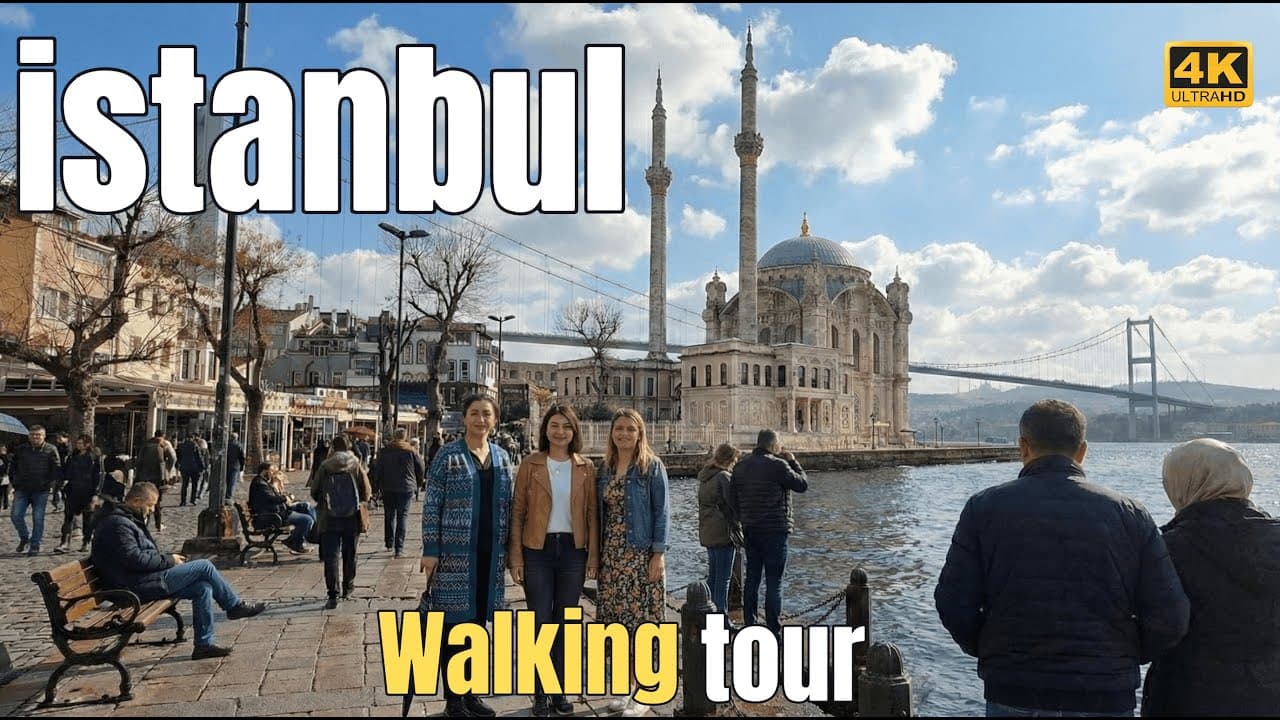
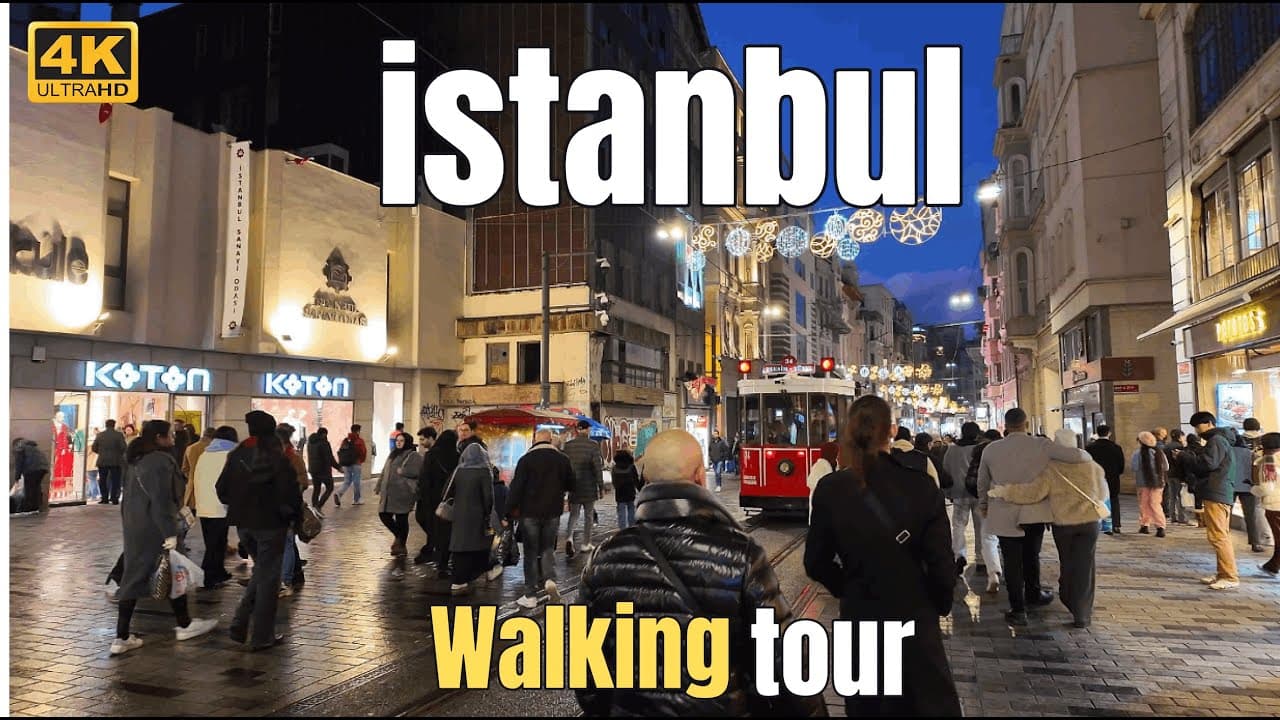
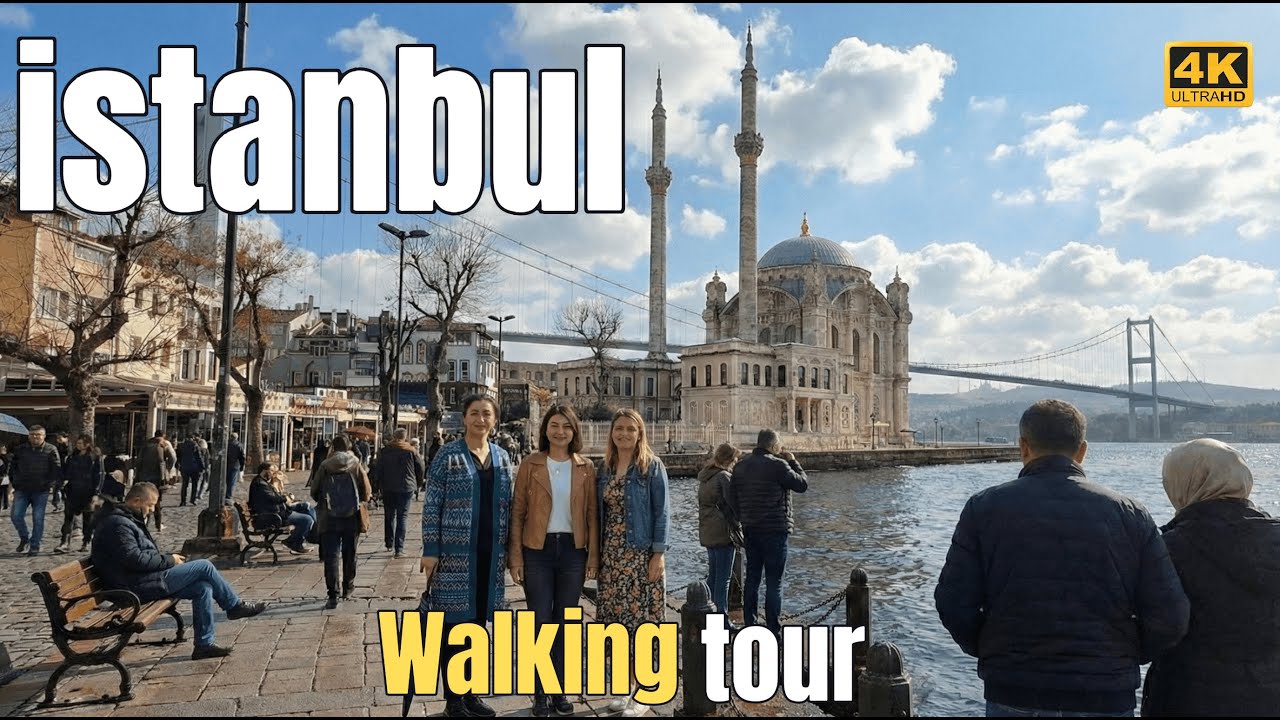
Istanbul Walking Tour 4K – From Beşiktaş to Ortaköy Along the Bosphorus Waterfront
Watch the 4K walkPlaces on the map
12 pinsNumbers match the order in the article. Tap a pin for directions.
What Beykoz is like
Beykoz is the green northern stretch of the Bosphorus on the Asian side of Istanbul. The shore runs from Anadolu Hisari, the old fortress, up to Anadolu Kavagi, where the strait opens into the Black Sea. Along the way you pass Ottoman fortresses and waterside pavilions, tea gardens and groves spread across the slopes. Head inland and you reach forest villages such as Polonezkoy; go north and you reach the open Black Sea coast at Riva and Poyrazkoy.
It suits visitors who want a calm day, sea air, some history and a walk in the green. People come by Bosphorus cruise to eat fish, sit with tea in the groves, or drive out to Polonezkoy for breakfast.
The most common mistake is to picture Beykoz as a single walkable spot. In practice the district is large and spread out, the shore villages, groves, forest villages and Black Sea beaches all sit far apart, and you cannot do it all in one day. It is more realistic to pick either the shore line or the Black Sea side, and a car makes a clear difference, especially for Polonezkoy and the beaches.
Quick answer
Beykoz is the green northern end of the Asian Bosphorus, with Ottoman fortresses and pavilions, groves, inland Polonezkoy and the Black Sea beaches.
- A car helps: it ties the groves, Polonezkoy and the Black Sea coast together.
- Split the day: choose either the Bosphorus shore line or the Black Sea side, both at once is a stretch.
- Reach Anadolu Kavagi by ferry and by Bosphorus tour boat.
1. Anadolu Hisari
Anadolu Hisari is a small Ottoman fortress on the Asian bank, at the narrowest point of the Bosphorus. It was built in the time of Bayezid the Thunderbolt and is older and smaller than Rumeli Hisari on the opposite shore.
Around it lies a quiet settlement where the Goksu stream meets the Bosphorus, with wooden waterfront houses, narrow lanes and cafes by the water. The fort is small, so check officially whether the interior is open, its restoration status and its hours before you go. It makes a natural first stop as you start the shore line north toward Kanlica.
2. Kucuksu Pavilion and the Goksu meadow
Kucuksu Pavilion is a historic hunting lodge on the Bosphorus shore, between the Goksu and Kucuksu streams. Built in the nineteenth century for short royal rests, its ornate facade and waterside setting reflect the pavilion architecture of the period. Check officially in advance whether the interior is open and what the hours are.
The Goksu meadow around the pavilion was once a well known recreation ground, known in English as the Sweet Waters of Asia, and is still used for picnics and walks by the stream. The pavilion and meadow are within walking distance of Anadolu Hisari, so you can cover the southern end of the shore in one stop.
3. Kanlica
Kanlica is a shore settlement with a small ferry square and waterfront houses around it. It is best known for its yoghurt: Kanlica yoghurt, served in the shops around the pier with sugar sprinkled on top, is something most visitors try. The price and portion vary by shop, so ask before you order.
Sitting with tea in the shade of the plane trees on the square, watching the boats pass, is the calm side of Kanlica. Some Bosphorus tour boats call here, so it is easy to reach by ferry or tour boat, and it makes a good break between Anadolu Hisari and central Beykoz. On busy weekends the square and parking can be crowded.
4. Mihrabat grove
Mihrabat grove sits on a Beykoz hillside looking out over the Bosphorus. Paths that wind between the trees, seating areas and a tea garden turn it into a calm break, and watching the strait from height is the main reason to come.
You can wander the paths, drink tea at a spot facing the view and use the picnic areas. Crowds build on weekends, so early hours are better for a quieter visit. Entry conditions, opening hours and parking can change from time to time, so check current details in advance.
5. The Khedive's Villa (Hidiv Kasri)
The Khedive's Villa, Hidiv Kasri, is a historic mansion on the Cubuklu hill, looking down over the Bosphorus. It was built in the early twentieth century for Abbas Hilmi Pasha, the last khedive of Egypt, and with its tower and wide garden it reads as a hilltop summer residence. From the garden the northern reach of the Bosphorus opens up in a wide view.
The garden and grounds are used for walking, tea and the view. Whether the interior is open, and the arrangement for events and refreshments, can change with the period, so confirm the situation and hours officially before you go. The approach climbs uphill, so plan to drive or walk the last stretch, and it pairs well with Mihrabat.
6. Beykoz grove (Abraham Pasha grove)
Beykoz grove, also known locally as the Abraham Pasha grove, is a large green space. Laid out in the nineteenth century as the garden of a pasha's estate, with its pools, fountains and tree lined paths it is used today as a recreation ground, and its position near the Bosphorus makes it easy to pair with the shore line.
The grove suits picnics, walking and families, with wide lawns and shaded paths. It fills up noticeably on weekends, so anyone after quiet should prefer weekdays or early hours. Whether the entrance is open, along with parking, can change from time to time, so check before you go.
7. Beykoz Kundura
Beykoz Kundura is a film and culture site on the shore, set in a converted old shoe and leather factory. One of the industrial buildings of the republican era, it was turned after production stopped into a large campus used for film sets, exhibitions and events.
The site opens to visitors according to the filming and event calendar. Exhibitions, screenings, cafes and the sections you can walk through change with the period, so confirm the current programme and entry conditions officially before you go, and note that some parts may be closed for filming.
8. Anadolu Kavagi and Yoros Castle
Anadolu Kavagi is the fishing village at the mouth where the Bosphorus opens into the Black Sea. The long Bosphorus cruise from the city usually ends here, and as you approach the pier you see the fish restaurants lined along the shore.
The fish restaurants are the village's best known side. Menus and prices change with the venue and season, so ask the price per kilo before you order, and plan your meal to catch the return boat in time. On the hill above sit the ruins of Yoros Castle, from the Genoese era, at the Black Sea mouth of the strait. The climb is uphill but rewards you with a wide view. The castle is a ruin, not a formal museum, and access can change.
9. Polonezkoy
Polonezkoy is a village inland in Beykoz, surrounded by forest. It was founded in the nineteenth century by Polish emigres who settled on Ottoman land, which gives it its name and its distinct cultural background.
Homemade jam and local tastes such as goose meat are on offer at some places; menu and price vary by venue, and weekends bring noticeable crowds and traffic. Polonezkoy is far from the shore and awkward to reach by public transport, so a car makes a clear difference, and planning breakfast early helps against the return traffic.
10. Riva (Cayagzi) beach and Riva Castle
Riva is a settlement on Beykoz's Black Sea coast, at the Cayagzi spot where the Riva stream meets the sea. With its wide sand and open water it is a different experience from the calm strait, and it gets crowded in summer and on weekends.
Near the point where the stream reaches the sea sit the ruins of Riva Castle, from the Genoese era. The castle is small and ruined, not a formal museum, but its coastal position makes a short look worthwhile. Because Riva is open Black Sea coast, currents and waves are stronger than inside the strait, so choose areas with lifeguards, follow the flags and warnings, and do not swim on windy, choppy days. It is easier to reach by car.
11. Poyrazkoy
Poyrazkoy is a small coastal village just north of the point where the Bosphorus opens into the Black Sea, named after the poyraz, the north-easterly wind. With its fishing boats, a small cove and a beach, it suits anyone looking for a Black Sea stop further from the crowds.
The village beach is used for swimming, sunbathing and sea air. Since the coast is open Black Sea, the risk of currents and waves applies here too, so follow lifeguards, flags and warnings, and do not swim if conditions are rough. Food options are limited, so come prepared. Reaching Poyrazkoy is mostly a matter of driving, and you can cover it in one day with Riva.
12. The Beykoz lake and woods
Inland from the shore, on the road toward the Black Sea, Beykoz has woodland and a lake area. Instead of sea views there is quiet among the trees and forest air, for anyone who wants a calm nature day.
The woodland and the lake are used for walking, fresh air and picnics, away from crowds. Because the area is large and spread out, moving around by car makes it easier to explore. Signs, access and open areas can change from time to time, and some sections may be closed for fire risk or maintenance, so check before you go and stay on the marked areas.
Getting there
The nicest way to reach Anadolu Kavagi and Kanlica is by Bosphorus ferry and tour boat from the city. The long Bosphorus cruise usually makes its final stop at Anadolu Kavagi, and some boats call at Kanlica. Schedules and the route change with the season, so confirm the times from an official source and do not miss the last return boat.
Along the shore, buses connect Beykoz's coastal settlements, though frequency and late return vary. To move comfortably between inland and Black Sea points such as Polonezkoy, Riva and Poyrazkoy, a car is a clear advantage, since these sit far apart.
When to go
Spring and autumn are the most balanced seasons for the groves and forest walks, cool and comfortable around Mihrabat, Beykoz grove and Hidiv Kasri, and in autumn the colour of the woodland adds to it.
Summer is the main season for the Black Sea beaches, but the heat and weekend crowds should be factored in, and on any day you plan to swim at Riva or Poyrazkoy, check the wind and wave forecast. In winter and wet weather the forest paths can be muddy and slippery. Weekdays are quieter in every season.
What to eat
Kanlica yoghurt, served with a dusting of sugar, is the best known taste of the shore line, and a bowl with a tea at the shops around the pier makes a good break.
Anadolu Kavagi is known for its fish restaurants; seasonal fish, meze and a meal by the water are the main draw, and asking the price per kilo before you order avoids surprises. Polonezkoy, in turn, is known for its spread breakfast, with homemade jams and local tastes at some places. At all three, prices and menu vary by venue, so decide by the current situation.
Frequently asked questions
What is Beykoz known for?
Beykoz is known as the green northern end of the Asian Bosphorus. Its standout points are historic buildings such as Anadolu Hisari and Kucuksu Pavilion, groves such as Mihrabat, Kanlica yoghurt, the fishing village Anadolu Kavagi, inland Polonezkoy and the Black Sea beaches.
Can you see Beykoz in a day?
Not all of it; the district is large and spread out. In one day it is more realistic to choose either the Bosphorus shore line or the Black Sea side, and to split the district into two separate visits.
How do you get to Anadolu Kavagi?
The nicest way is the long Bosphorus cruise from the city, which usually makes its final stop there. You can also reach it by shore bus or by car. If you go by ferry, confirm the last return time from an official source and do not miss the boat.
Are the Black Sea beaches safe to swim?
They can be safe in the right conditions and with care, but on open Black Sea coast the risk of currents and waves is higher than inside the strait. Choose areas with lifeguards, follow the flag warnings and do not swim on windy, choppy days.
Is Polonezkoy worth it?
If you want a calm day surrounded by forest and a spread breakfast out of the city, it is worth it. With its distinct cultural background, walking trails and guesthouses it offers a different kind of stop. Since it is far from the shore, a car is practical.
Planning questions
What does this İstanbul guide cover?
A guide to the green northern Asian Bosphorus of Beykoz, around Anadolu Kavagi, Yoros Castle, the Beykoz woods and the Black Sea beaches.
Can I watch a 4K walking tour of İstanbul?
Yes. The page links to Travel Walk Tours films so you can preview the İstanbul route on a big screen before you go.
How should I use this page to plan?
Read the quick answer first, skim the route notes, then compare street texture, timing, and nearby guides through the linked city page and walking films.