A respectful Golden Horn guide to Eyupsultan around the Eyup Sultan Mosque and tomb, the historic cemetery, the Pierre Loti hill and Miniaturk.
Walk this route
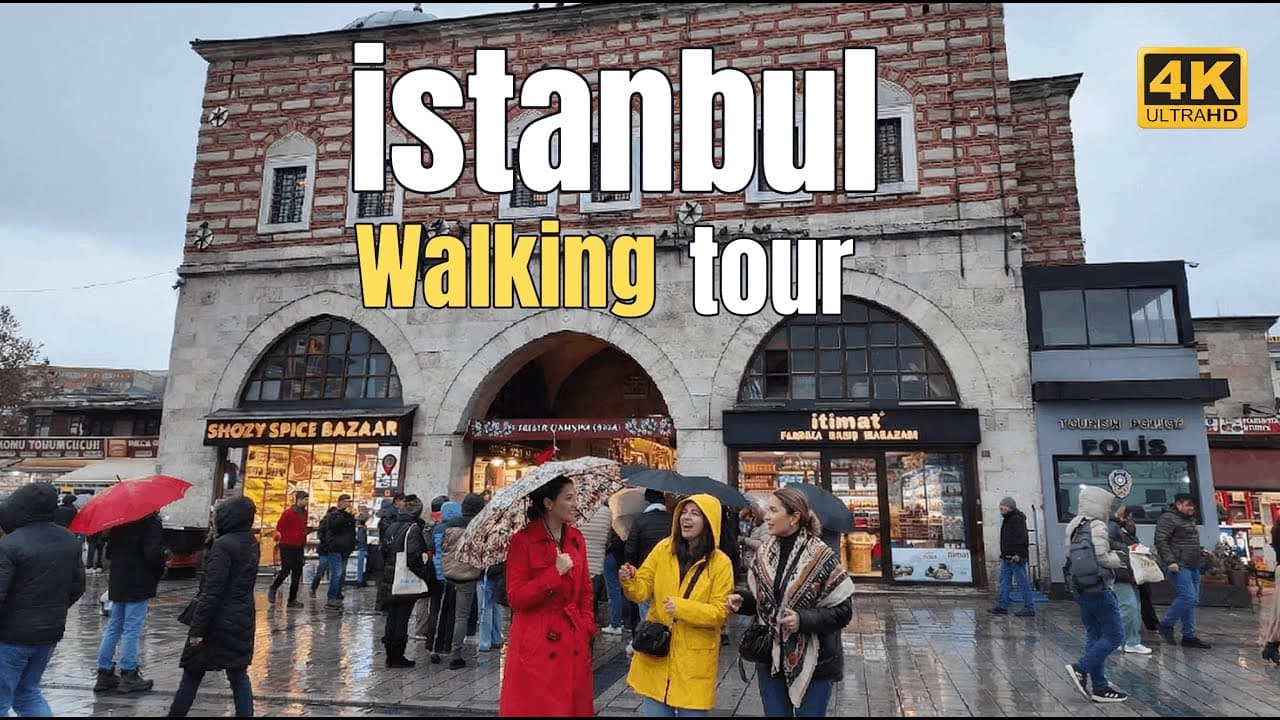
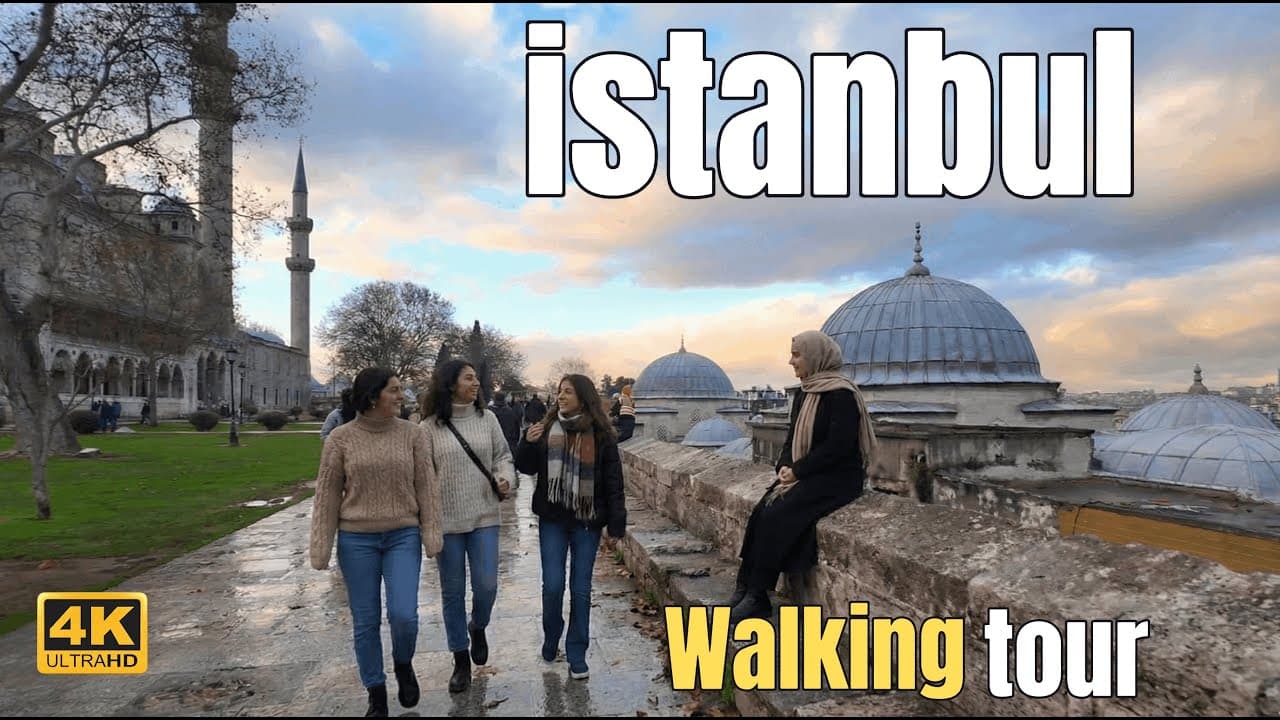
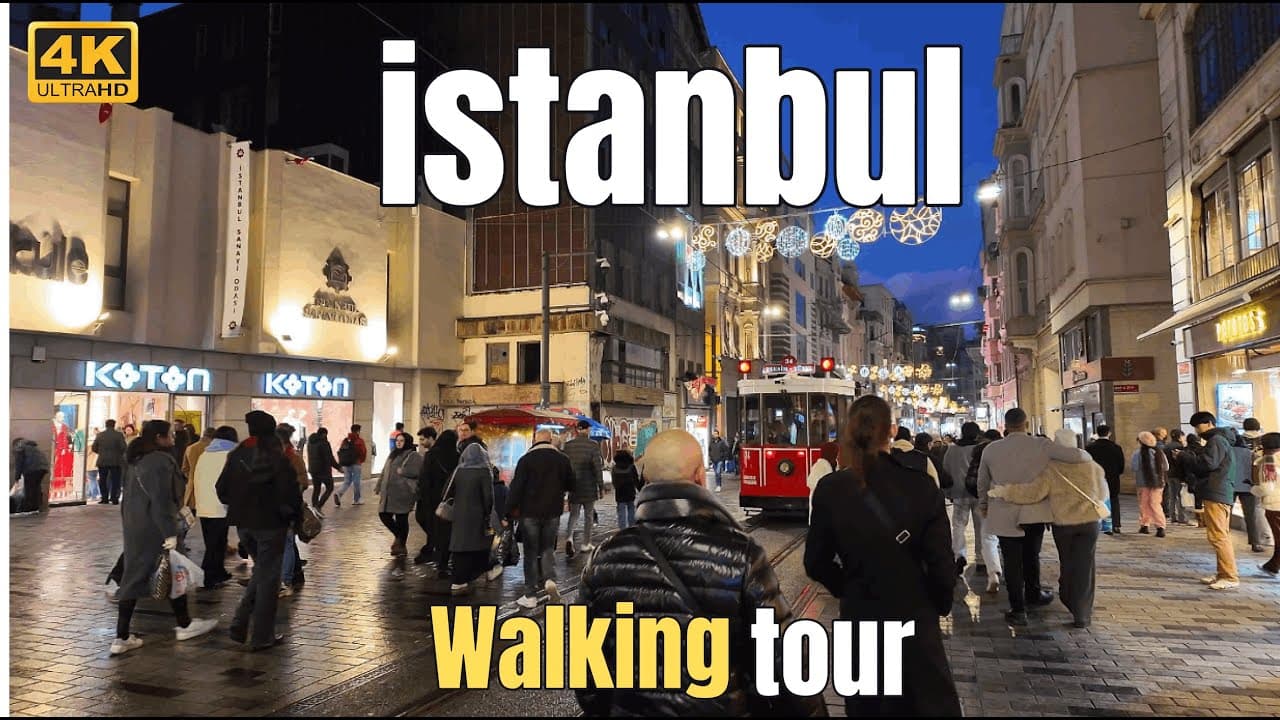
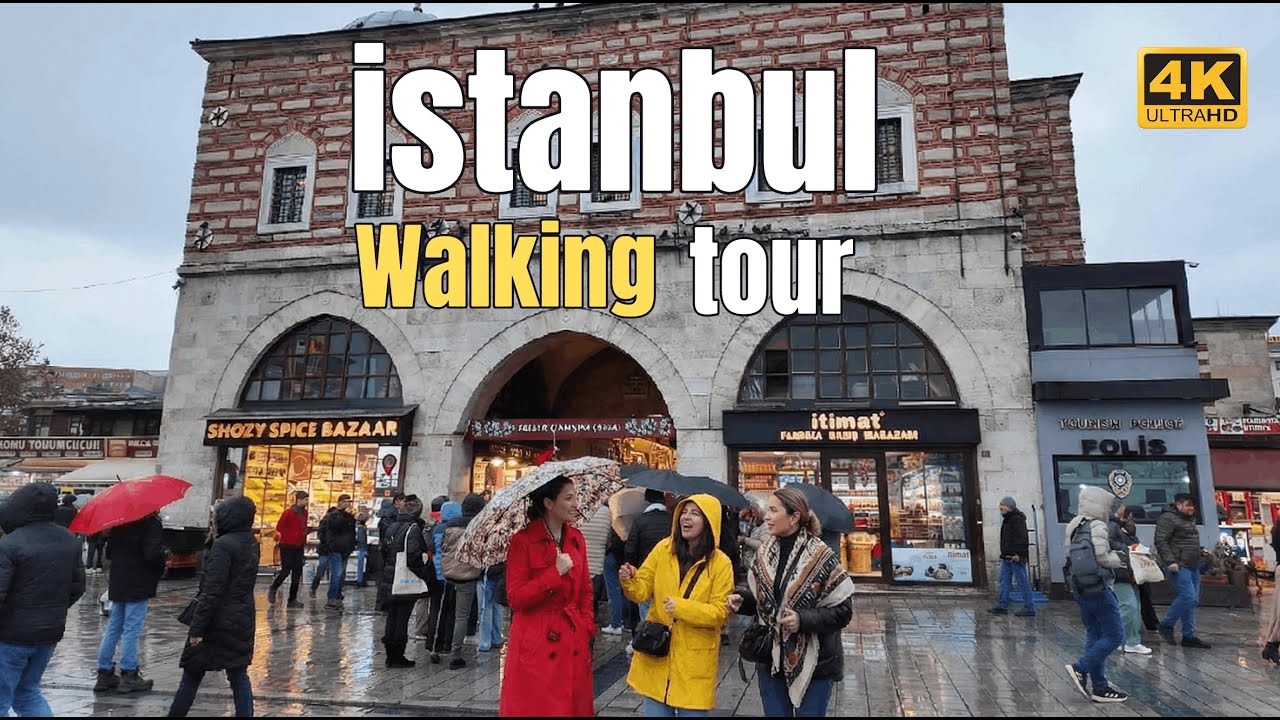
Istanbul Walking Tour 4K – Historic Streets, Crowded Bazaars & Timeless Atmosphere
Watch the 4K walkPlaces on the map
9 pinsNumbers match the order in the article. Tap a pin for directions.
A pilgrimage district at the end of the Golden Horn
Eyupsultan lies just outside the old city walls, on the shore of the Golden Horn, and people have been coming here to pray for centuries. At its center are the Eyupsultan Mosque and the tomb of Abu Ayyub al-Ansari, a companion of the Prophet Muhammad and his host in Medina, who joined the first Arab siege of Constantinople despite his old age and died beneath the walls. That grave makes this one of the important visitation sites in the Islamic world, and it sets the rhythm of the whole district.
The most common mistake comes in two forms. Some visitors photograph the mosque square without registering that it is a living place of worship and pilgrimage. Others ride the cable car up to Pierre Loti, take in the view, and leave without seeing the market, the Zal Mahmut Pasha complex, Feshane, or Santralistanbul. Between those two extremes sits a nine-stop route that fits comfortably into half a day. This guide follows it from the mosque to the tip of the Golden Horn.
Quick answer
Eyupsultan is a visitation district on the Golden Horn, built around the mosque and tomb of Abu Ayyub al-Ansari. The mosque, tomb, and market sit side by side; Pierre Loti hill rises behind them, and Feshane and Santralistanbul carry the day along the shore.
- Dress modestly; women should carry a headscarf for the mosque and tomb.
- Friday noon and Ramadan evenings belong to worshippers; plan your visit for another time.
- The balanced plan is cable car up, cemetery slope down; confirm the cable car is running before you go.
1. The Eyupsultan Mosque
The first mosque here went up in 1458, five years after the Ottoman conquest, which made it the first imperial mosque of Ottoman Istanbul. The building you see today is younger: the original wore out, and Selim III had it rebuilt around 1800, so its lines follow the baroque taste of that era rather than the classical Ottoman style. The interior is white and gold, open and full of light.
The mosque welcomes visitors every day, but the balance is clear: worship comes first. Shoes come off at the door, shoulders and knees stay covered, and women should wear a headscarf. During prayer times it is better to wait in the courtyard than to wander inside.
The courtyard deserves time of its own. There is an old plane tree, pigeons, boys in white circumcision outfits, and families arriving to pray. No other mosque courtyard in Istanbul carries this much everyday devotion.
2. The Eyupsultan tomb and square
The tomb facing the mosque is the reason the district exists. Abu Ayyub al-Ansari hosted the Prophet Muhammad in his house in Medina; despite his age he joined the first Arab siege of Constantinople and died beneath the walls in the 670s. After the conquest of 1453 his grave was identified at this spot and a tomb was raised over it. Ottoman sultans came here on taking the throne for the sword-girding ceremony, the empire's answer to a coronation.
The facade is covered in Iznik tiles, and inside, the sarcophagus rests behind a silver grille. Entry moves in a slow line, and the people around you are praying. Keep quiet, keep your place, and leave the phone down inside; photograph the building from the square instead.
The square between tomb and mosque is the heart of the district: a fountain, pigeons, queuing families, wedding photos. Sit and watch for ten minutes; it is the fastest way to understand Eyupsultan.
3. The Eyup market
The market street running from the square toward the ferry pier carries a tradition you will not find in the usual souvenir rows. Eyup has been known for its toymakers since Ottoman times; families visiting the tomb would buy their children wooden spinning tops, rattles, and simple handmade toys. A handful of shops still keep that trade alive, and browsing them is a short look at the toy world before plastic.
The second pillar of the tradition is sweets: Turkish delight, hard candy, and rose water are the market's standing offer. Around them cluster shops selling prayer beads, skullcaps, religious books, and pilgrimage gifts. The customers are mostly pilgrims rather than tourists, and prices stay reasonable because of it.
On Fridays and religious holidays the street fills shoulder to shoulder. For a calm browse, come on a weekday morning, when the shutters are just going up and the market shows a different face.
4. Pierre Loti hill
The hill takes its name from the French writer Pierre Loti, who settled in Istanbul in the late nineteenth century and was devoted to the Golden Horn; he is said to have sat writing at a coffeehouse on this slope. A cafe with a terrace occupies the spot today, and it faces one of the city's most familiar views: the water, the mosques of the far shore, the skyline in the distance, and directly below, the cypress-shaded cemetery spilling down the hillside.
The best light comes early in the morning and toward sunset; at midday the light is flat and the cafe is at its fullest. Tea and coffee cost what you would expect at a terrace with a view, so no surprises there.
A short walk behind the terrace leads into ordinary back streets, the Eyup that never appears in the panorama shots. For the way down, the cemetery slope is the finest route.
5. The cable car
The cable car climbs from a station near the shore to Pierre Loti in a few minutes, replacing a steep walk. The cabins are small and the line is short; the ride is a practical fix rather than an attraction in itself, though watching the Golden Horn open up beneath you is a pleasant moment. Istanbulkart is valid.
One important note: the line closes for maintenance from time to time, sometimes for long stretches. Check whether it is running through Metro Istanbul's official channels before you build your plan around it. If it is closed, the options are the walk up the slope or a taxi around the back of the hill.
Queues grow on Friday and weekend afternoons. The smartest use is to ride up and walk down through the cemetery: you skip the sweat of the climb and keep the view in front of you on the descent.
6. The historic cemetery slope
The stone path climbing from behind the mosque to Pierre Loti passes through one of the oldest Ottoman cemeteries in Istanbul. Centuries of headstones line the slope: turban-topped stones for men, flower-carved stones for women, cypress shade, and between the trees the glint of the Golden Horn appearing and disappearing. Few walks in Istanbul pack this much atmosphere into such a short distance.
Remember that this is still a working cemetery. Do not sit on the stones, do not step between graves for a photo, and keep your voice down; you share the path with people visiting their dead.
The slope is steep and the surface is broken in places, so wear proper shoes. The climb takes fifteen to twenty minutes at a steady pace. If that sounds like too much, ride the cable car up and take this path down; the descent is easier and the view stays ahead of you the whole way.
7. The Zal Mahmut Pasha Mosque
A few minutes' walk from the center toward Feshane brings you to the Zal Mahmut Pasha Mosque, one of Mimar Sinan's least visited works. It was built in the second half of the sixteenth century for Zal Mahmut Pasha, a vizier of Suleyman the Magnificent, and his wife Sah Sultan. The complex steps down a sloping site in terraces: two madrasas, a tomb, and the mosque itself, its facades striped in stone and brick, all linked across different levels.
The interior is tall and plain, and the arrangement of windows lights it far more generously than the outside suggests. Students of Sinan point to this building as a lesson in handling difficult ground, yet it sits entirely off the tourist track; at most hours you will find only a few locals inside.
After the crowds at the Eyupsultan Mosque, the quiet here is welcome. Visit outside prayer times; the dress rules are the same as at any mosque.
8. Feshane
The long iron-framed building on the shore is Feshane. Founded in 1833 to produce fezzes for the Ottoman army, the factory was one of the empire's first serious steps into industry, and its cast-iron structural frame was advanced for its time. When the fez was abolished, the building carried on as a textile mill, then stood empty for years.
Today Feshane works as an exhibition and events venue run by the metropolitan municipality. Art shows, Ramadan programs, fairs, and festivals rotate through its halls. The programme changes often, so check the municipality's announcements before you go to see what is on.
Even with nothing scheduled, the building is worth passing. The waterfront path continues from here toward Santralistanbul, and this stretch of the Golden Horn is surprisingly calm; the benches along the shore in front of Feshane make a good rest stop.
9. Santralistanbul
At the point where the Golden Horn ends and two streams meet the water sit the halls of the Silahtaraga power station. It came online in 1914 as the first plant to supply electricity to Istanbul at city scale, and it ran until 1983. After closing it was converted into a campus; today it holds Istanbul Bilgi University and the Energy Museum.
In the museum you walk through the old turbine hall: giant generators, control panels, and the scale of the machine age preserved as it was. If industrial heritage interests you, this is the best example Istanbul has. The open grounds suit a stroll, and the campus cafes run on student budgets.
The museum's open days and hours change, so confirm the current schedule through official channels before making the trip. From central Eyup the walk along the shore takes about half an hour, and the T5 tram follows the same line and stops close to the site.
Getting there
The most enjoyable arrival is the Golden Horn ferry: the line calling at Uskudar and Karakoy ends its run at the Eyupsultan pier, steps from the market. It is the only way to approach the district over the water, and the whole shoreline of the Golden Horn passes by on the way.
The rail option is the T5 tram, which follows the shore from Cibali to Alibeykoy. Its Feshane, Eyupsultan Teleferik, and Silahtaraga stops cover nearly every place in this guide. Coming from the Eminonu side, the tram is the most practical route.
Buses run to Eyupsultan from many parts of the city and stop near the mosque. The cable car links the shore station to Pierre Loti; confirm it is operating before you count on it. The center itself is walkable: mosque, tomb, square, and market are all within a few minutes of each other.
Visiting etiquette
The heart of Eyupsultan is a place of worship and visitation, and dress and behavior genuinely matter here. Everyone should cover shoulders and knees; women should carry a headscarf for the mosque and the tomb. Shoes come off at the mosque entrance.
Friday noon and Ramadan evenings belong to worshippers. Leaving those hours to them is a courtesy to everyone, yourself included, since the crowds make a proper visit difficult anyway. Inside the tomb, stay quiet, keep to the line, and never step in front of someone praying.
The photography rule is simple: the square and general views are fine, praying faces and the inside of the tomb are not. The same balance holds in the cemetery: the path is yours, the stones are not. Visitors who follow these rules are always welcome in Eyupsultan.
When to go
The crowd calendar matters more than the weather here. Weekday mornings are the calmest window, when the mosque, tomb, and market can be seen at ease. Fridays around noon, holy nights, Ramadan evenings, and religious holidays are the busiest times; they suit watching the atmosphere from a distance rather than a full visit.
By season, spring and autumn are the most comfortable: the slope climbs better in cool air, and the terrace is at its best in mild sun. In summer the midday heat makes the cemetery path hard work; start early or take the cable car. In winter the view over the Golden Horn can be sharp and clear, but the stone path is slippery when wet.
Within the day, the plan writes itself: mosque and tomb in the morning, then the market, the hill in the early afternoon, and Zal Mahmut Pasha, Feshane, and Santralistanbul on the way back if time allows.
Frequently asked questions
**Are the Eyupsultan Mosque and tomb open to visitors?** Yes, both are open through the day and entry is free. Worship takes priority at prayer times, above all at Friday noon; plan your visit outside those hours. Dress modestly, and women should carry a headscarf.
**What is the easiest way up to Pierre Loti?** The cable car from the shore station reaches the top in a few minutes and accepts Istanbulkart. The line closes for maintenance at times, so check Metro Istanbul's channels before you go. On foot, the cemetery path takes fifteen to twenty minutes uphill.
**Is half a day enough for Eyupsultan?** Half a day covers the mosque, tomb, market, and Pierre Loti. Adding Zal Mahmut Pasha, Feshane, and Santralistanbul fills the day, and if you also want the Energy Museum, a full day is the comfortable choice.
**Does the district work with children?** Yes. The toy shops in the market, the cable car ride, and the Energy Museum at Santralistanbul all go down well with children. The cemetery slope is steep, so with a stroller the cable car is the easier way up.
Planning questions
What does this İstanbul guide cover?
A respectful Golden Horn guide to Eyupsultan around the Eyup Sultan Mosque and tomb, the historic cemetery, the Pierre Loti hill and Miniaturk.
Can I watch a 4K walking tour of İstanbul?
Yes. The page links to Travel Walk Tours films so you can preview the İstanbul route on a big screen before you go.
How should I use this page to plan?
Read the quick answer first, skim the route notes, then compare street texture, timing, and nearby guides through the linked city page and walking films.