Plan Fener around the Ecumenical Patriarchate, the red Phanar Greek College, the Bulgarian iron church and the Golden Horn churches, respectfully.
Walk this route
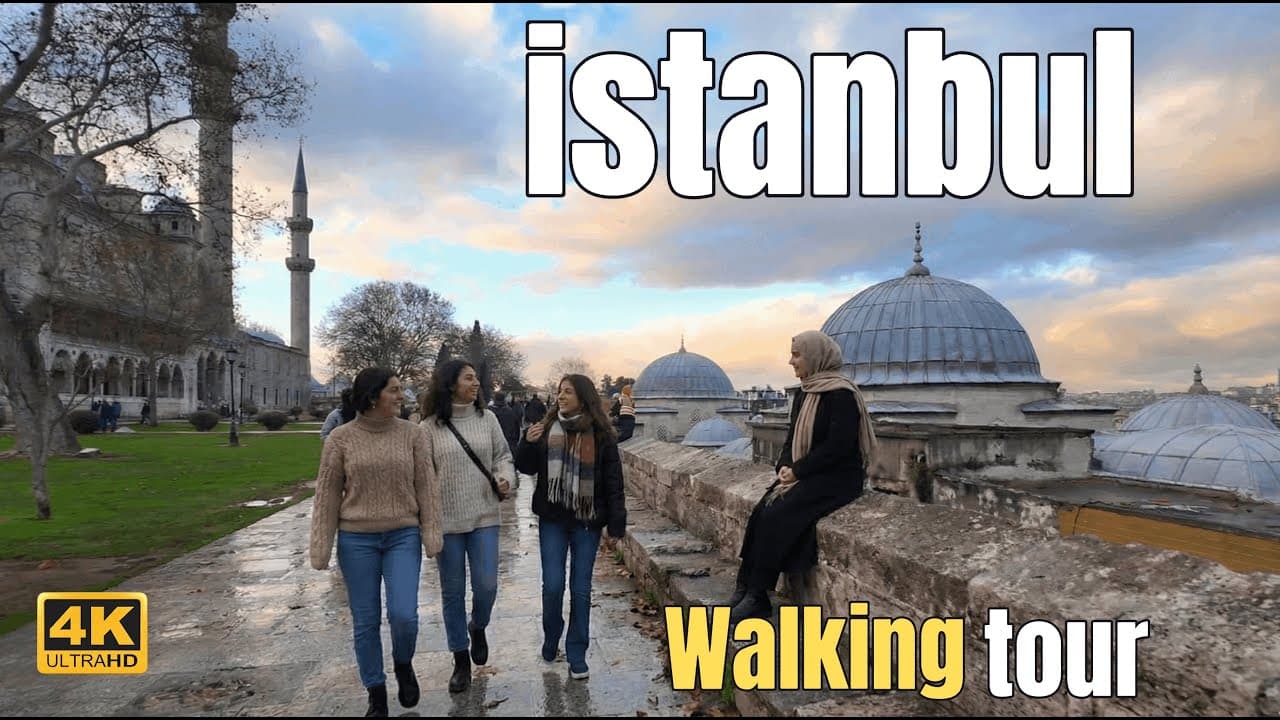
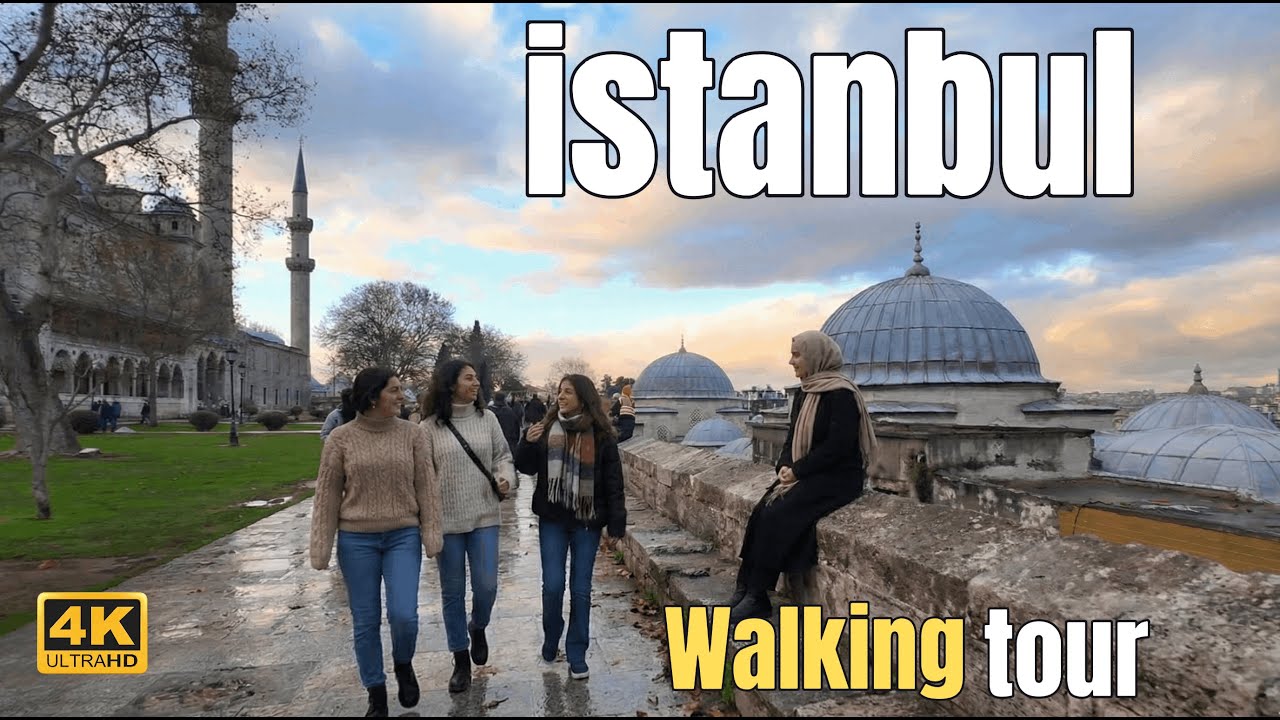
ISTANBUL WALKING TOUR 4K 🇹🇷 – Golden Horn & Old City Views (No Commentary)
Watch the 4K walkPlaces on the map
7 pinsNumbers match the order in the article. Tap a pin for directions.
Fener: the Greek Orthodox quarter above the Golden Horn
Fener climbs the steep slope between the Golden Horn shore and the ridge of Fatih. Where its neighbour Balat is known for painted facades, Fener is known for churches that have been in use for centuries, stone Greek mansions, and the huge red school that crowns the hill. The Ecumenical Patriarchate, the spiritual centre of Orthodox Christianity, has occupied its courtyard here since 1601. Turn away from the water and look up: the red-brick mass filling the sky is the Phanar Greek College, the outline everyone recognises.
That is the real difference between the two quarters. You go to Balat for streets and doorways; you go to Fener for places of worship and the city's Greek Orthodox past. Most of the churches are still active, so a service may be underway and the doors will not be open at every hour. The lanes are narrow, the climbs are steep, and the mood is quiet.
The common mistake is folding Fener into a rushed Balat photo walk. Visitors hurry toward the colourful stairs and treat these churches as background scenery. They are living places of worship. Slow down, dress modestly, check opening times in advance, and keep your voice down inside.
Quick answer
Walk Fener on a weekday morning, on foot, at a pace that suits working religious sites. The 7 stops below follow the numbers on the map and link into one walk.
- The slopes are steep; wear comfortable shoes with grip.
- Modest clothing and quiet are expected inside churches and the Patriarchate.
- Some churches open irregularly; confirm hours before you go.
- The shore park walk links Balat to Ayvansaray and makes an easy return route.
1. The Ecumenical Patriarchate
This is the heart of the quarter. After several moves within Istanbul, the Ecumenical Patriarchate settled in Fener in 1601 and has remained in this courtyard ever since. Its church is St George, regarded as the spiritual centre of Orthodox Christianity worldwide. The Patriarch is seated here and the principal services take place in this church.
From the street you see little more than high walls and a gate. Inside, the church holds historic icons, a carved wooden patriarchal throne and religious relics. It is a working religious centre rather than a museum, and a visit works best when you treat it that way.
Cover shoulders and knees, keep quiet, and do not press for photos during a service. Hours can change, especially around major feast days, so confirm current visiting information before you set out. When you step back into the lane, the red school on the hill above is already pointing you to the next stop.
2. The Phanar Greek College (the Red School)
Look up from anywhere along the shore and the enormous red-brick building above the rooftops is this school. Known locally as the Red School, the Phanar Greek College is one of Istanbul's oldest Greek institutions, and the building you see today went up between 1881 and 1883. Its colour and hilltop position make it visible even from the far side of the Golden Horn.
It is still a working school, not a tourist site, and the interior is not open to casual visitors. You see it from the lanes below, from the stepped streets that climb toward it, or from the waterfront. The best photographs come from the foot of those narrow climbs and from the shore.
Reaching the walls means a stiff uphill walk, so take it slowly and pause in the side streets. The area around the gate is an ordinary residential neighbourhood: keep quiet, and do not linger at the school entrance during class hours.
3. The Bulgarian St Stephen iron church
Set in a tidy garden on the Golden Horn shore, this church is one of the few in the world built of cast iron. The Bulgarian St Stephen Church, usually called the Iron Church, was completed in 1898. Its iron sections were manufactured in advance and assembled on the shore, which is why it is often described as a prefabricated church.
From a distance the facade reads as stone; step closer and the painted metal gives itself away. Since its restoration the white surfaces and gilded details catch the light again, and the garden faces the water, so it falls naturally on any shoreline walk.
The church belongs to the Bulgarian Orthodox community and is open for worship and usually for visits. It remains an active church: dress modestly, keep quiet, and do not interrupt a service. Conditions can change, so check before you go. Sitting on the shore between Fener and Balat, it marks the halfway point of the walk that joins the two quarters.
4. The Panagia Paramythia church
Step off the main street into the back lanes and you find this small Greek Orthodox church. Panagia Paramythia is also known as the church of the Vlach Palace, a name tied to the Fener residence of the princes of Wallachia and Moldavia. Fener is not only its famous buildings; churches like this one have sat between the houses for centuries.
Because it draws none of the Patriarchate's attention, most visitors walk past without noticing it. That is exactly its value: a modest walled courtyard and a plain facade that show the quarter's everyday religious fabric without any crowd.
Its doors do not keep regular hours, and more often than not you will find them shut. Treat that as the normal state of a living place of worship, not a failure of the visit. Seeing it from the lane is enough. If it is closed, do not knock or ring; stay quiet and move on.
5. The Fener pier and the Golden Horn shore
The waterfront is where Fener breathes. The city ferry line along the Golden Horn calls at the Fener pier, and arriving by boat gives the best first view of the quarter, with the red school and the church towers rising together as you approach. Around the pier there are benches, tea and simple snack stands.
A strip of park runs unbroken along the water, from the Cibali side past Fener and Balat all the way to Ayvansaray. If the climbs have worn you out, make your return along this flat shoreline; in late afternoon the light on the far bank of the Golden Horn is worth the detour on its own.
One of the historic buildings near the pier houses the Women's Library, worth a look from outside. On weekends the grass fills with picnicking families; on a weekday morning you may share it only with joggers, anglers and gulls.
6. The Ayios Dimitrios church and Ayakapi
At the Cibali end of Fener lie the old Ayakapi quarter and the Ayios Dimitrios church. Ayakapi takes its name from a Byzantine sea gate in the Golden Horn walls, once one of the city's openings onto the water. The neighbourhood is quiet today, but the historic layer is still easy to feel.
Ayios Dimitrios is one of the churches carrying the area's Greek Orthodox past. Because it sits slightly off Fener's main axis, few visitors come this far, which makes it the right direction for anyone who wants the quiet end of the quarter. Within walking distance is Gul Mosque, a Byzantine church later converted to a mosque.
You reach the area through narrow, sloping lanes. The church is not reliably open, so do not count on seeing the interior. Walk Ayakapi for the traces of the old walls and the neighbourhood texture; that layer is the point of coming.
7. Around the Dimitrie Cantemir house
In Fener's back lanes is a restored house carrying the name of Dimitrie Cantemir, prince of Moldavia. Cantemir spent long years in Istanbul in the late 1600s as a scholar; he wrote on Ottoman history and was among the first to set Ottoman music down in notation. His Fener house was arranged as a museum with Romanian support.
The museum does not keep dependable hours, so do not be surprised to find it closed, and verify the current situation before making a special trip. When open, its small exhibition tells the story of Fener's Wallachian and Moldavian connection, the same thread behind the Vlach Palace name of Panagia Paramythia.
The surrounding streets are the real reward. Bay-windowed stone mansions, stepped climbs and corner coffee houses show Fener's daily life even when every door is shut. Keep your camera off residents' windows as you wander; this is a lived-in neighbourhood.
Getting there
The most enjoyable arrival is the Golden Horn ferry: the city line calls at the Fener pier, and from there you walk uphill. The boat shows you the whole slope of the quarter as it comes in.
By rail, the T5 tram between Eminonu and Alibeykoy runs along the shore, with stops at Fener and Balat at the foot of the quarter. Buses on the shore road follow the same line.
Inside Fener everything is on foot. The lanes are narrow, steep and cobbled in places, so comfortable shoes with grip are essential. Plan the route downhill where you can: Patriarchate and school first, then down to the shore, is far less tiring than the reverse.
When to go
A weekday morning is the best window. The streets are calm, the light falls well on the churches and the hilltop school, and the day-trip crowds have not yet arrived. On weekends the main streets and the shore fill up.
Spring and autumn are the comfortable seasons; the climbs are hard work in midsummer heat. In summer, go early, carry water and rest in the shade. On Sunday mornings services are held in several churches: doors open for worship are not the same as doors open for sightseeing. Around major Orthodox feast days the Patriarchate area gets busy, so check the calendar if you want a quiet visit.
Combining with Balat
Fener and Balat sit side by side and most visitors walk them together. The order matters: start in Fener early in the morning, when church hours are most predictable and your legs are fresh for the climbs.
A route that works: from the Fener pier head uphill to the Patriarchate and the Red School, thread the back lanes past Panagia Paramythia and the Cantemir house, then drop to the shore for the Iron Church. Continue into Balat along the water or through the inner streets; the painted houses, antique shops and cafes fill the afternoon. Return along the shore park toward Ayvansaray or back to the Fener pier.
Give the two quarters half a day together; a full day is more comfortable if you intend to go inside the churches rather than only photograph them.
Frequently asked questions
**Is the Patriarchate open to visitors?** The Ecumenical Patriarchate and the Church of St George are generally open during daytime hours, but this is a working religious centre and access may be limited during services and major feast days. Dress modestly, keep quiet, and confirm current hours before you go.
**Can you go inside the Red School?** No. The Phanar Greek College is a functioning school and its interior is not open to the public. You see it from the lanes below, the stepped streets and the shore, and the best photographs are taken from outside anyway.
**Does the Iron Church charge admission?** The Bulgarian St Stephen Church is an active church and visiting is generally free. Modest clothing and quiet are all that is asked. Hours can change, so check the current situation before you go.
**Is half an hour enough for Fener?** No. Half an hour covers only the stretch between the pier and the Iron Church. Allow two or three hours for the Patriarchate, the school views, the back lanes and the shore walk; with Balat added, plan on half a day.
Planning questions
What does this İstanbul guide cover?
Plan Fener around the Ecumenical Patriarchate, the red Phanar Greek College, the Bulgarian iron church and the Golden Horn churches, respectfully.
Can I watch a 4K walking tour of İstanbul?
Yes. The page links to Travel Walk Tours films so you can preview the İstanbul route on a big screen before you go.
How should I use this page to plan?
Read the quick answer first, skim the route notes, then compare street texture, timing, and nearby guides through the linked city page and walking films.