Plan Kadikoy area by area: the market-and-Moda core and the Bagdat Avenue and Caddebostan seaside east, reached by ferry, with a map.
Walk this route
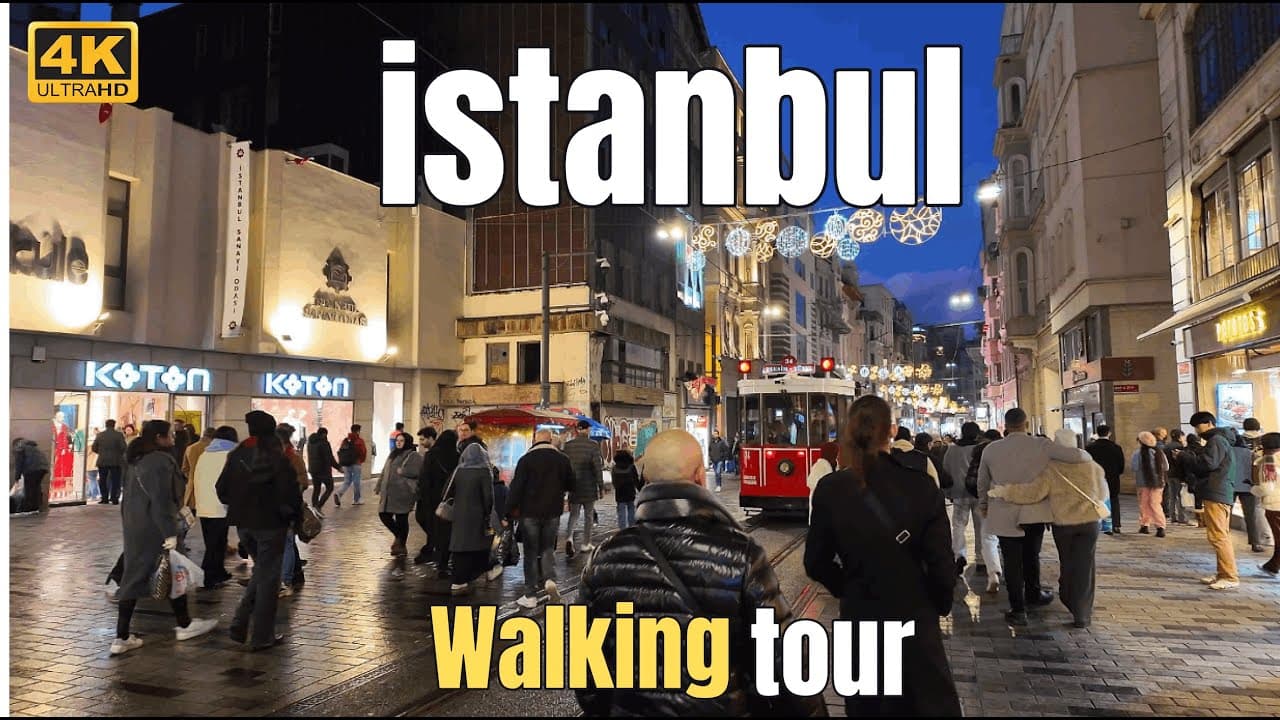
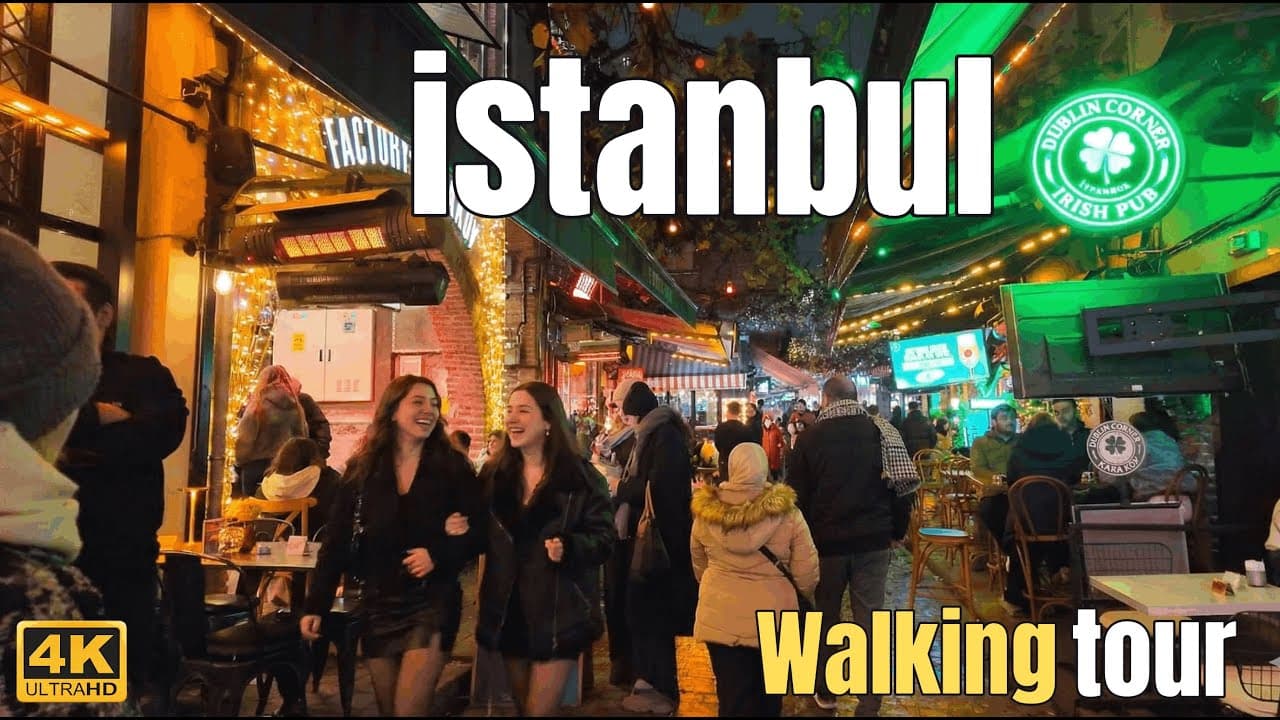
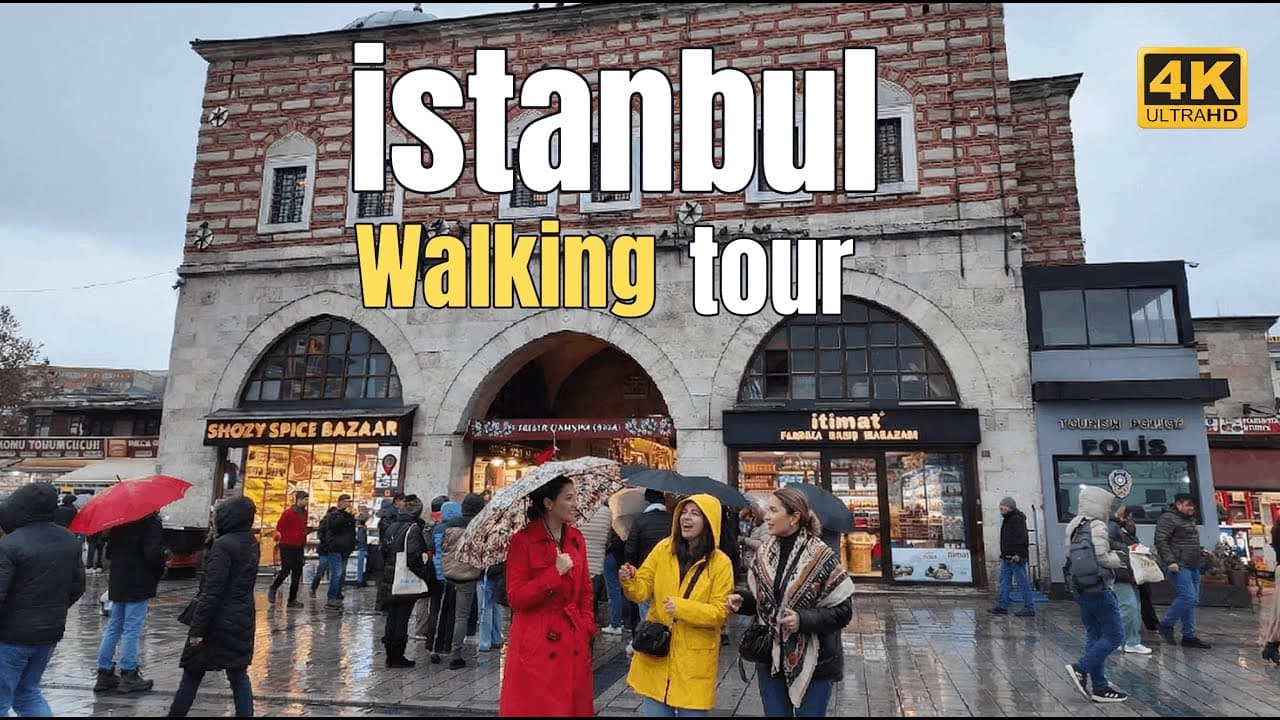
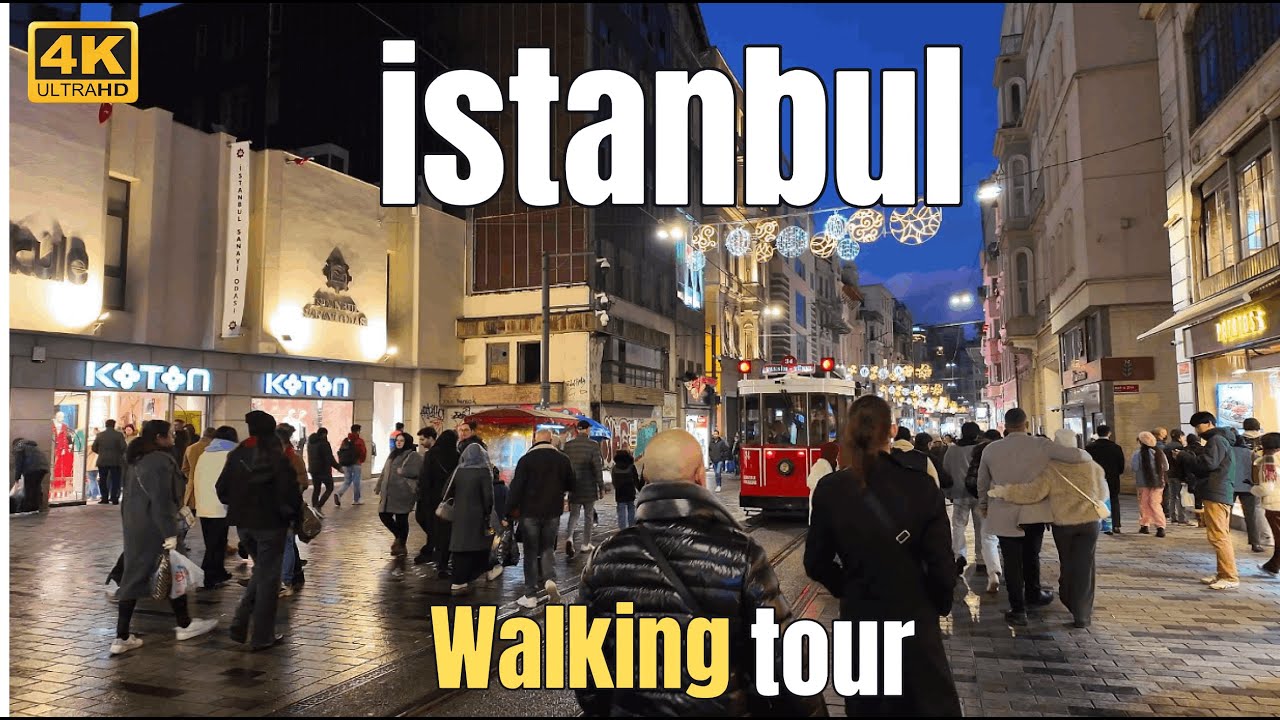
Istanbul Walking Tour 4K - Evening Walk on Istiklal Street & Taksim Square
Watch the 4K walkPlaces on the map
16 pinsNumbers match the order in the article. Tap a pin for directions.
What Kadikoy is like
Kadikoy is the food and culture capital of Istanbul's Asian side. The European shore trades on monuments; Kadikoy trades on its market, its opera house, its secondhand bookshops and a seafront that runs for kilometres. Fish counters open in the morning, the market lanes smell of coffee and pickles by noon, and at dusk the lawns of Moda fill with people waiting for the sun to drop behind the old city. From the ferry pier through Moda and on past Fenerbahce, Kalamis and Caddebostan to Bostanci, one district behaves like several different towns.
It helps to picture Kadikoy in three bands. To the north sit Yeldegirmeni and Haydarpasa: street murals, century-old apartment blocks and the monumental railway station. In the middle is the core: the pier, the market, the Bull, Bahariye, the opera and Moda. To the east stretches the shore belt: the wooded point of Fenerbahce, the masts of Kalamis, the beach at Caddebostan and, one block inland, Bagdat Avenue. The three bands connect on foot, but the distances are longer than the map suggests.
Kadikoy suits food lovers, shore walkers, night owls and anyone tired of the standard tourist circuit. The most common mistake is treating it as a two-hour ferry hop: cross over, loop the market, sail back. In reality the shore walk from Moda to Bostanci alone fills a day. The 16 stops below run north to south and give the district the time it deserves.
Quick answer
Come by ferry, give your first half day to the market, Bahariye and Moda core, and the second half to the shore from Fenerbahce to Bostanci.
- The ferry from Eminonu, Karakoy or Besiktas is both the fastest and the best way in.
- Do not leave without eating in the market and sitting by the water in Moda.
- If you can manage a Tuesday, add the Tuesday market to the plan.
Places to see in Kadikoy
The 16 stops below follow the numbers on the map: they start at the pier, cover the centre and Moda, then move east toward Bostanci.
1. The Kadikoy waterfront and the ferries
A Kadikoy day begins at the waterfront, and honestly one of its best moments happens before you even land. The ferry from Eminonu or Karakoy takes about twenty minutes and rolls the Sarayburnu skyline, the Maiden's Tower and the stone front of Haydarpasa past your window; passengers tossing simit to the gulls are a fixture of the route. The pier square is the district's main junction: ferry docks, bus stops, the metro entrance and the lanes into the market all fan out from here. It is busy all day and packed at the evening rush. Timing your return sailing for sunset is an old local trick; watching the sun sink behind the historic peninsula from the deck costs nothing extra. Check current timetables with the official ferry operators, as lines and hours change by season.
2. Kadikoy market and the fish bazaar
The market is Kadikoy's kitchen, and it works for locals far more than for tourists. Along Guneslibahce and the lanes around it, fish counters, cheese shops, olive sellers, picklers, secondhand booksellers and coffee roasters sit shoulder to shoulder. The fish bazaar section is at its liveliest in the morning; what is on the ice changes with the season, and bluefish and anchovy time brings a mood of its own. The real point here is the food culture: some people pick a fish from the counter and have it cooked at the restaurant next door, others graze standing up on stuffed mussels and kokorec. Prices move with the day and the season, so asking and comparing a few stalls is entirely normal. Do not rush through; turning into a side lane for a Turkish coffee is the quickest way to catch the rhythm.
3. The Bull statue at Altiyol
The bronze Bull at the Altiyol junction is Kadikoy's undisputed meeting point. "See you at the Bull" works as an address in this city. The statue was cast in France in the nineteenth century and moved around several Istanbul districts before settling here; someone is posing in front of it at any hour. Altiyol means "six roads", and that is exactly what fans out from the junction: the market, Bahariye, Moda and Sogutlucesme directions all connect here, which makes the Bull a natural orientation point. On Fenerbahce match days the whole area turns yellow and navy and the crowds get serious; anyone after a quiet stroll should avoid those hours. The thing to see is less the statue than the motion around it; a few minutes of watching the flow is enough.
4. Bahariye Avenue
Bahariye is the mostly pedestrian main street running from Altiyol toward Moda. Shops, bookstores, patisseries, a cinema and a steady river of people keep it moving all day. The nostalgic tram that runs down its middle loops between Kadikoy and Moda, a short but likeable option for anyone who would rather not walk. The avenue itself is less a sight than a spine: it is where you turn off for the Sureyya Opera House, the cafes in the side streets and Kadife Street. Weekend afternoons are the peak; if the crowd wears you down, one street over is instantly calmer. Wear comfortable shoes, because Bahariye looks short on the map but the web of streets around it swallows hours.
5. The Sureyya Opera House
The Sureyya Opera House on Bahariye opened in 1927 and is one of the most graceful buildings on the Asian side. Built by Sureyya Ilmen, it spent decades as a cinema before being converted into an opera stage; the reliefs on the facade and the decoration of the hall carry the taste of the period into the present. The best way to see the interior is to come for a performance: opera, ballet and concerts run through the season, and tickets are reasonable compared with similar European houses. Check the programme and ticket availability through official channels, as the stage can be dark outside the season. Even without a show, the facade repays a walk past, and the evening lighting flatters the building. The stretch of Bahariye at its door is one of the avenue's busiest.
6. Kadife Street (the bar street)
Kadife Street, between Bahariye and Moda, is the short but dense strip known for years as the bar street. Bars, pubs and live music venues occupy the gardens and basements of old Kadikoy houses and fill the street after dark; each place has its own crowd and its own musical line. Come by day and the same street turns into a quiet cafe row, good for breakfast or coffee. Friday and Saturday nights get seriously full and you may not find a table; anyone after a relaxed evening should pick a weekday. Venues change hands often, so rather than memorising names it works better to walk the street and choose by that night's mood. The walk back to the pier at the end of the night takes no more than fifteen minutes.
7. Yeldegirmeni
Yeldegirmeni, north of the pier, has built its own identity over the past decade. The facades of its hundred-year-old apartment blocks carry huge murals painted by international artists, and hunting them down street by street is a game in itself. The neighbourhood is equally known for its bakeries: stone-oven loaves, pastries and small patisseries draw morning queues. Third-wave coffee shops, workshops and student cafes are scattered through the side streets, and the pace is noticeably slower than in the market. Ayrilikcesme Marmaray station sits right at the neighbourhood's edge, so for anyone arriving from the European side through the tunnel, Yeldegirmeni can be the first stop. From here the walk to Haydarpasa takes ten minutes and leads straight into the next entry.
8. Haydarpasa Station
Haydarpasa is the monumental railway station of 1908, rising directly above the water. Designed by German architects, the stone building was the gate through which generations arriving by train first met Istanbul, and it remains the strongest feature of the Asian shoreline. It has been under extensive restoration for years, and excavations around it have uncovered remains reaching back to antiquity; interior visits are therefore not regularly possible, so check the current situation before going. Even from the outside it is worth the trip: seen from the quay or from a ferry deck, the towers and the steps dropping to the sea make a striking picture. From Kadikoy pier it is a fifteen-minute walk along the shore. For photographs, afternoon light treats the facade best.
9. The Tuesday market
The Kadikoy Tuesday market is one of the biggest weekly markets in Istanbul, and as the name says it sets up on Tuesdays; a mainly food market uses the same site on Fridays. The covered market area holds hundreds of stalls: fruit, vegetables, cheese and olives on one side, clothing, fabric and household goods on the other. This is not a tourist attraction, which is exactly why it is worth seeing; bargaining and stall banter are still a natural part of the transaction. Carrying cash makes life easier, since not every stall takes cards. Crowds peak toward midday, so come in the morning for an easier walk. The site is not walkable from the pier; take a minibus, a bus or a short taxi. Locations and arrangements do get updated, so confirm with a local source before setting out.
10. The Moda pier
The Moda pier is a small, elegant structure reaching into the sea at the tip of the Moda headland. Designed by the architect Vedat Tek and dating from 1917, its octagonal plan and tiled roof set it apart among Istanbul's ferry buildings. For years people came here to drink tea rather than catch a boat, and the venue inside has changed hands from period to period; how it operates now is best seen on the spot. The slope down to the pier and the tree-lined streets around it are among Moda's most photogenic corners. Pick a quiet hour to sit over the water and look out at the Marmara, the islands and the far shore; weekend afternoons get their share of the crowds here too. The pier is a natural starting point for the shore walk.
11. The Moda shore and park
The Moda shore is where Kadikoy breathes. The waterside path, the wide lawns, the tea gardens and the swimmers off the rocks keep it alive in every season. The main event is sunset: on a clear evening the grass fills with thermoses, guitars and groups of friends, and as the sun drops behind the historic peninsula the whole shore turns into a shared viewing gallery. To be honest, on weekend evenings finding a spot gets hard, and the density can defeat any hope of a quiet moment; come on a weekday or in the morning for calm. Ice cream shops and kiosks ring the park, and bringing supplies for a long sit is standard practice. Moda is walkable from the centre and fits into the same day as the market. For a deeper walk through the centre and Moda, we have a separate detailed guide.
12. Fenerbahce Park and the point
Fenerbahce point is a wooded peninsula separating Kalamis bay from the open Marmara, and with the park at its tip it forms one of the calmest corners of the district. Under century-old trees the park offers walking paths, tea gardens and seats at the water's edge; the historic lighthouse at the point gave the area its name. Compared with Moda's youthful energy the pace drops here: retirees, families and people with a book make up the crowd, and the cats hold a serious population of their own. Tea facing the sea, with the islands in view, is the classic programme. There are picnic areas, but tables fill early on weekend middays. The shore path connects on foot toward both Moda and Caddebostan; it belongs to runners in the morning and strollers in the late afternoon.
13. Kalamis Marina
Kalamis is a large marina set in the bay on the inner side of Fenerbahce point and one of Turkey's best-known yacht harbours. Hundreds of boats line the quays, and watching the sunset through the forest of masts is this shore's signature view. Cafes and restaurants ring the marina, with prices running above the district average; knowing that in advance prevents disappointment. Kalamis also wrote its name into Turkish music, and something of that mood still hangs over the waterfront. The publicly accessible walkways of the marina join the shore path, so the route from Fenerbahce Park to Caddebostan passes through here anyway. Even for someone with no interest in boats, a coffee stop facing the masts is a pleasant pause on the walk.
14. The Caddebostan shore and beach
The Caddebostan shore is a broad walking, running and cycling strip that runs for kilometres along the Marmara, and in summer it becomes one of the few places in Istanbul where you can swim inside the city. Public beach sections are set up in season; loungers, showers and other facilities can change from year to year, so see the current arrangement on the spot. Sea water quality is monitored through the season, and checking the latest announcements before swimming is sensible. Beyond the beach, the wide lawns make this the east side's address for picnics and sunset sitting. The back streets hold cafes and bakeries, and kiosks line the shore itself. The walk continues without a break toward Bostanci. Bagdat Avenue is a few streets inland, so shopping and the sea combine easily in one day.
15. Bagdat Avenue
Bagdat Avenue is the famous shopping street running for kilometres across eastern Kadikoy. Brands, patisseries, cafes and restaurants line both sides, and the wide pavements under plane trees make it comfortable to walk. To be clear from the start: this is a shopping and lifestyle street, not a historic sight, so do not come looking for monuments or museums. What is worth seeing is the avenue itself; the polished everyday life of this side of Istanbul flows along it. Since it is very long end to end, pick a stretch rather than attempting the whole thing; the section between Suadiye and Caddebostan is the densest. Patisserie culture is the avenue's signature, and a dessert stop is a natural part of the programme. For a detailed walk through this strip and Caddebostan, we have a separate Bagdat Avenue and Caddebostan guide.
16. The Bostanci shore
Bostanci is the last link in the Kadikoy shoreline, and the route completes itself here naturally. The waterside path arrives unbroken from Caddebostan; the Bostanci end is less touristic and more neighbourhood in feel. Its pier is a busy connection point: ferries to the Princes' Islands leave from here, which makes Bostanci a strategic stop for anyone wanting to pair a Kadikoy day with an islands day; check sailing times on the current timetable. The waterfront holds rod fishermen, tea gardens and long stretches of seating, and the view of the islands in the late afternoon light is especially good. Marmaray and the coastal buses make the return to the centre easy. Finishing the long shore walk here with a glass of tea, then boarding the train, is the least effortful way to close a Kadikoy day.
Getting there
From the European side the best way is the ferry. Regular sailings run to Kadikoy from Eminonu, Karakoy and Besiktas; the crossing takes about twenty minutes and Istanbulkart is valid. The ferry is a scenic ride as much as transport, so put at least one leg of your day on the water. Lines and hours change by season, so check the current timetable.
Marmaray is the rail line under the Bosphorus and the most reliable option in bad weather or late in the evening. Board at Sirkeci or Uskudar; getting off at Ayrilikcesme puts you next to Yeldegirmeni, while Sogutlucesme is closer to the market and Bahariye. The eastern stations of Feneryolu, Goztepe, Erenkoy and Bostanci drop you along the Bagdat Avenue corridor.
The M4 metro starts at Kadikoy pier square and runs east through the district; stops such as Goztepe and Kozyatagi connect to the Bagdat Avenue area. Arrivals from Sabiha Gokcen Airport reach Kadikoy on the M4 without a transfer. Driving is the worst choice; traffic and parking drain the day before it starts.
When to go
Kadikoy works in every season, but spring and autumn are the best windows: the shore walk is pleasant in cool air and the crowds in the market and Moda stay manageable. Summer's advantage is swimming at Caddebostan and the long evenings; its downside is midday heat and heavy weekend traffic on the shore. In winter the market, the cafes and the opera programme keep the district good for an indoor-leaning day.
The gap between weekdays and weekends is real. On Saturdays and Sundays, Bahariye, the Moda shore and Caddebostan draw serious numbers; pick a weekday for a calmer visit. Anyone who can arrange a Tuesday gets the Tuesday market. Whatever the plan, keep the late afternoon for the shore; the sunset watched from Moda is the scene most likely to stay with you.
Eating and drinking
Kadikoy is one of the strongest food districts in Istanbul, and the market is its engine room. The restaurants around the fish bazaar work with fish straight off the ice, and places like Ciya Sofrasi, which brought regional Anatolian cooking to the table, carried the market's reputation well beyond Turkey. For eating on your feet, stuffed mussels, kokorec and a glass of pickle juice are the classic trio.
In the evening the meyhanes take over. Around the market and Kadife Street, the old order of meze plates, raki and long conversation still runs as it should; booking a table for the weekend can be necessary. Anyone leaning toward bars will find a door for every taste along the Kadife Street strip.
Coffee is a separate point of local pride. The range runs from the long-established Turkish coffee houses of the market to the third-wave roasters of Yeldegirmeni and Moda; the smell of roasting beans has become part of some streets' identity. For dessert, Moda's ice cream makers lead the way, and in summer the queue outside Ali Usta is part of the neighbourhood scenery. On the Bagdat Avenue side, patisserie culture does the talking.
Frequently asked questions
Ferry or Marmaray to Kadikoy, which is better?
For the view the ferry wins by a distance, and on time it usually holds its own. Marmaray is untouched by weather, runs late into the evening and drops you directly at Yeldegirmeni or along the Bagdat Avenue corridor. The ideal formula is ferry on the way out, then whichever suits on the way back.
How many hours should I give Kadikoy?
A full day at minimum. The market, Bahariye and Moda core fills half a day on its own, and the shore from Fenerbahce to Bostanci asks for as much again. Settle for a two-hour ferry hop and all you will have seen is the market.
Can you swim in Kadikoy?
In summer, yes, at the public beach sections of Caddebostan. Arrangements and water quality vary with the season, so check the latest announcements. You will also see locals swimming off the rocks at Moda, but there is no organised beach infrastructure there.
Can you visit the inside of Haydarpasa Station?
The building has been under restoration for years, so interior visits are not regularly possible; occasional exhibitions and events do open parts of it. Check the current status before going. The exterior and the view from the water repay the trip on their own.
Is Kadikoy safe in the evening?
Kadikoy stays alive late and is generally a relaxed district; Kadife Street and the market area are busy well into the night. As in any big city, watching your belongings in crowded spots is precaution enough. Know your return ferry time in advance, as the last sailings change with the season.
Explore nearby towns and neighbourhoods
Planning questions
What does this İstanbul guide cover?
Plan Kadikoy area by area: the market-and-Moda core and the Bagdat Avenue and Caddebostan seaside east, reached by ferry, with a map.
Can I watch a 4K walking tour of İstanbul?
Yes. The page links to Travel Walk Tours films so you can preview the İstanbul route on a big screen before you go.
How should I use this page to plan?
Read the quick answer first, skim the route notes, then compare street texture, timing, and nearby guides through the linked city page and walking films.