Plan Istanbul's car-free Princes' Islands, Buyukada, Heybeliada, Burgazada and Kinaliada, around the ferry, island transport and beaches.
Walk this route
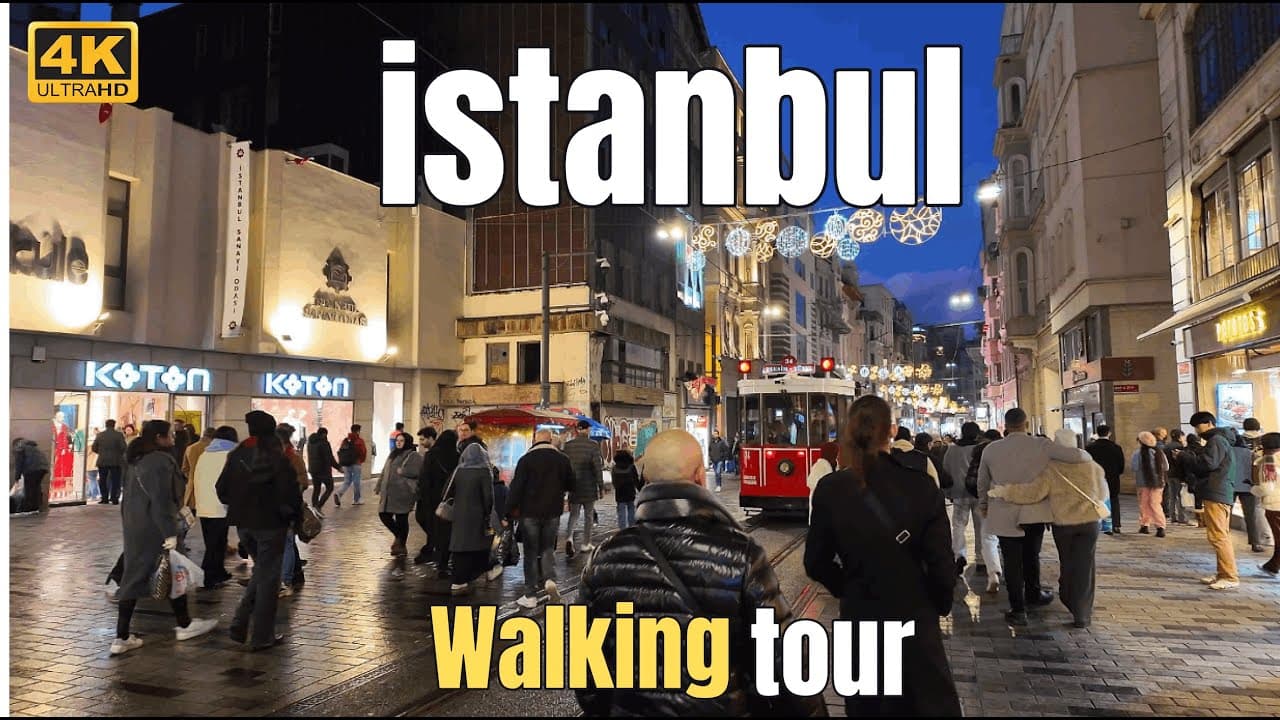
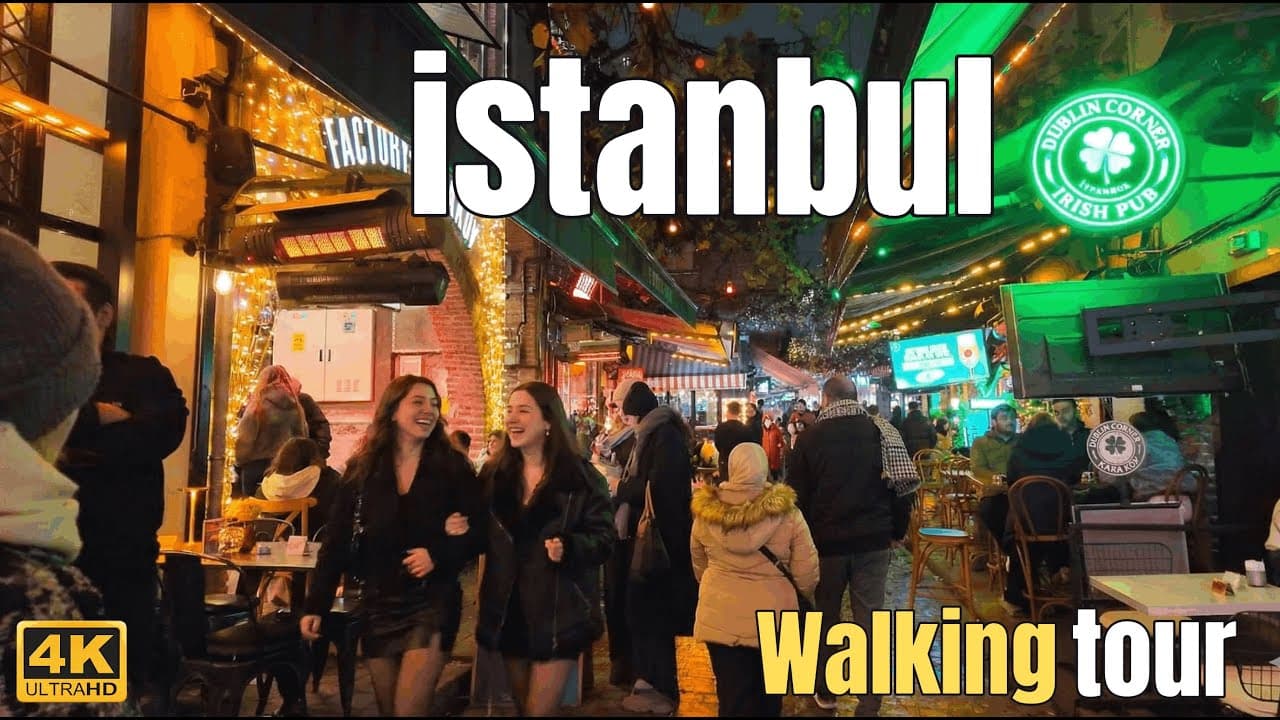
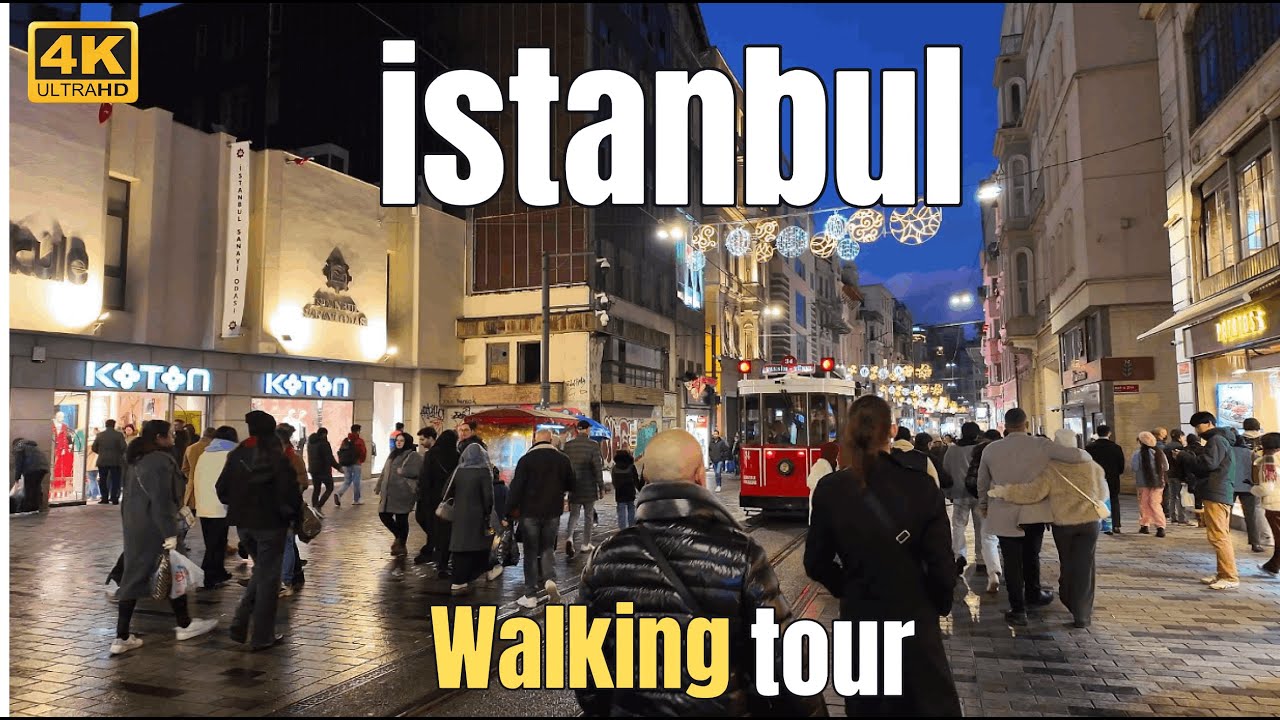
Istanbul Walking Tour 4K - Evening Walk on Istiklal Street & Taksim Square
Watch the 4K walkPlaces on the map
12 pinsNumbers match the order in the article. Tap a pin for directions.
The Princes' Islands: Istanbul's car-free ferry escape
When Istanbul's noise gets to be too much, the Princes' Islands remain one of the best answers. Four inhabited islands sit in the Sea of Marmara, linked to the city by ferry: Buyukada, Heybeliada, Burgazada and Kinaliada. What they share is that none of them allow cars. Instead of engine noise you get pine resin in the air, rows of old wooden mansions and the sea in every direction.
The mistake almost everyone makes is trying to cram all four islands into one rushed day. The ferry hops from pier to pier and the hours drain away, and by evening you have properly seen none of them. Pick one island, two at the very most. First-timers usually do best starting on Buyukada; if you want quiet, Heybeliada or Burgazada will give you a better day. Kinaliada, with the shortest crossing, works for a half-day escape.
The 12 places in this guide match the numbers on the map. They run island by island: Buyukada first, then Heybeliada, Burgazada and Kinaliada.
Quick answer
The Princes' Islands are car-free islands of wooden mansions and pine forest in the Sea of Marmara, reached from Istanbul only by ferry.
- One day, one island. Two at most. Do not attempt all four.
- On the islands you move on foot, by bike or by electric minibus. The horse carriages are gone.
- Summer weekend piers get very crowded; take the first ferries of the day.
1. The Buyukada pier and square
Your Buyukada day starts at the ferry terminal itself. The domed, tiled pier building from the early 1900s is worth pausing for on its own; it is one of the prettiest ferry buildings in Istanbul. Step out and you are in the main square, watched over by a clock tower and ringed by restaurants, ice cream shops, bike rental stands and electric minibuses waiting for passengers. On summer weekends the square floods with each arriving ferry, so it pays to pick a direction rather than linger. One way leads into the market street and the restaurants, the other toward the mansion streets and the coast road. The market lane just behind the square, with its bakery, greengrocer and souvenir shops, is where the island's daily life actually runs. Before you wander off, note the evening ferry times posted at the pier, because the last summer departures can fill up. The square is where the day begins and ends; the real island starts beyond it.
2. The Nizam mansion streets
Walk from the square toward the Nizam neighbourhood and Buyukada shows its true face: large wooden mansions from the late 19th and early 20th centuries. Cankaya Street and the lanes around it hold the densest stretch of them. Carved facades, deep gardens, iron gates; some have been carefully restored, others are losing their paint and holding out against the years. There is no point hurrying here, since the houses reveal themselves at walking pace. Nearly all of them are private property, so you look from the garden gate and go no further in. The streets climb gently but never enough to make walking hard. You can pass through by bike, but the facades reward a walker far more. Built as summer houses by Greek, Armenian and Jewish families, these mansions are the most visible trace of the island's layered past.
3. Aya Yorgi hill
On one of Buyukada's highest points, inside the pine forest, stands a small Greek Orthodox monastery: Aya Yorgi, dedicated to St George. The ascent starts from a clearing partway up the island and follows a stone-paved track, and to be honest about it, the slope is steep. Nobody rides the final stretch, not even cyclists; everyone walks. Shade is scarce and the summer heat makes it a workout, so bring water and wear proper shoes. The reward at the top is a plain little church and a wide view over the Marmara and the neighbouring islands. Every year on April 23, thousands climb this hill making wishes for the feast of St George; the island and the summit are extremely crowded that day, so choose another date if you want a calm visit. A simple hilltop cafe lets you sit and recover facing the view. Inside the church, keep quiet; it is a working place of worship, not a museum.
4. The Trotsky house
Leon Trotsky, expelled from the Soviet Union, lived on Buyukada from 1929 to 1933. The seaside mansion where he spent most of his exile still stands, in ruins. The roof has collapsed and the garden has gone wild; entry is forbidden and would be dangerous anyway. A visit means looking from the road, over the garden wall, and no more. It is still worth the stop, because the story carries the place. Trotsky passed one of the most productive stretches of his life here, writing his autobiography and much of his history of the Russian Revolution on this island while journalists and visitors arrived from around the world. The house sits on the coastal part of the island, along the usual walking and cycling loop; signage is patchy, so confirm the spot on a map or ask a local. Photograph the facade from outside and stay clear of the crumbling structure.
5. Yorukali Beach
Yorukali is the best-known address for a swim on Buyukada. It sits on the island's western shore under pine trees and runs as a beach club: sun loungers, shade, changing cabins, a snack bar. Entry is paid, so do not expect a free public beach here. In the summer season a boat shuttle runs from near the pier out to the beach, which is a practical option if you would rather not walk, but the shuttle times and cost change with the season, so check the current setup before you commit. The Marmara here is usually calm and the water is decently clean. On weekends the loungers go early; weekdays are far easier. Bring your own towel, sunscreen and water, since everything on the island costs a little more. Outside the season the club may simply be closed, so for spring and autumn visits confirm it is operating before you go.
6. The Aya Nikola public beach
If you would rather not pay club prices, the Aya Nikola stretch on Buyukada's eastern shore is the better bet. It takes its name from the nearby Aya Nikola monastery. This coast works as a public beach, with free or much cheaper access, and the facilities match: you may find loungers and a snack stand, but do not expect the comfort of a full club. The shore is pebbly, so swimming shoes make life easier. It is within walking distance of the main square, and the coast road itself is a pleasant walk, though in the midday heat of summer it can wear you down; go early or rent a bike. Weekends fill this beach too, since everyone hunting a free alternative lands on the same idea. How the beach is run, and when the season opens, shifts from year to year, so ask on the island for the current situation.
7. The Halki seminary on Heybeliada
On one of Heybeliada's hilltops, surrounded by pine forest, stands a large and well-kept building: the Hagia Triada monastery and the former theological school, known internationally as the Halki seminary. The school, which trained Greek Orthodox clergy, was closed to teaching in 1971, and its reopening has been debated ever since. The building lives on as a monastery and is known for its rich historical library. Visiting arrangements vary: in some periods the garden and building receive visitors, in others they do not, so confirm the current conditions before you make the climb; nobody enjoys being turned away at the gate. Even if a visit is not possible, the road up runs through pine forest and is a fine walk in its own right. Back down near the pier, Heybeliada's quiet streets and wooden houses feel like a relief after Buyukada's crowds.
8. Cam Limani bay on Heybeliada
Cam Limani, on the western side of Heybeliada, lives up to its name, which means pine harbour: the forest runs almost down to the water and the bay sits fairly sheltered from the wind. This is Heybeliada's best-known spot for a swim and a lazy afternoon. You reach it from the pier on foot or by bike; the road passes through the forest, which makes the distance feel shorter, though there are climbs along the way. Seasonal businesses sometimes operate around the bay and the setup changes from year to year, so ask on the island for the latest. Entry to the water is rocky and pebbly in places, and swimming shoes again earn their keep. The real appeal of Cam Limani is its plainness: no beach club atmosphere, just sea and forest. On a weekday you may find the bay nearly empty. Carry water and snacks, and take your rubbish back with you.
9. Burgazada and the Sait Faik Museum
Burgazada is one of the calmest of the four islands and the island of Sait Faik Abasiyanik, one of Turkey's most loved short story writers. He spent much of his life here, and the fishermen, coffeehouses and sea of his stories come largely from this island's daily round. The house where he lived is now a small literary museum, with his belongings and study preserved. For anyone who has read him it is a moving stop; for anyone who has not, it is still a chance to see the inside of an old island house. The museum is small and does not take long, and its opening days and hours can change, so confirm them before you go. Around the pier, restaurants and cafes line the shore, and just behind them rises the dome of the Aya Yani church. The best plan on Burgazada is not to have much of one: walk the shore, order a tea, match the island's pace.
10. Kalpazankaya
Kalpazankaya, on the far side of Burgazada, is the island's sunset point. The name means counterfeiters' rock; the story goes that forgers once minted fake coins here. You reach it from the centre along the road that loops the shore, on foot or by bike, with the sea beside you the whole way; the views are the payment for the walk. You can swim from the rocks, a plain but good option for anyone who likes their swimming simple. The restaurant above the cove has been filling up at sunset for years; on summer evenings a table can be hard to get, so call ahead if your plan depends on it. You do not have to sit down at all, since the sunset looks the same from the rocks. The sun drops straight into the open Marmara, and few places around Istanbul show a sea sunset this cleanly. Plan the way back: after dark the road empties out, so keep your phone light handy and your return ferry time in mind.
11. The Kinaliada shores
Kinaliada is the island closest to the mainland, which makes it the shortest ferry ride of the four. It has less pine than the others and more open ground; the reddish tint of its soil gave the island its name, from the Turkish word for henna. That bareness can look like a shortcoming, but Kinaliada has its own logic: the island is small, the centre is walkable, and swimming spots line the shore. Some stretches operate as paid beach businesses in season while others stay open to everyone, and since the arrangement shifts from year to year, ask on the spot for the current picture. Entry to the water is mostly over pebbles. The short crossing makes this the most practical island for a half-day escape: out in the morning, back by mid-afternoon. Anyone after long hiking routes may find it limited, but for a swim, some sun and a fast break from the city, it does the job. Summer weekends fill up here too, so the early ferry rule applies.
12. The Kasik Island view
Kasik Island, one of the smallest members of the Marmara archipelago, sits in the channel between Burgazada and Heybeliada. The name means spoon island, and from the side it does look like an upturned spoon. It is private property, so you cannot land on it; Kasik is not a stop but a view. The best vantage points are Burgazada's shore facing Heybeliada and the deck of the ferry as it passes between the two islands. It appears off one side of the boat, and its handful of buildings and patch of green, set against its tiny size, make it hard not to photograph. If you are walking Burgazada's coast, a pause at a point overlooking Kasik makes a quiet bracket in the day. Read this entry less as a destination and more as a reminder to spend the crossings out on deck: part of any Princes' Islands trip happens on the water, and that part counts too.
Getting there
The only way to the islands is across the water. The main departure points are Kabatas on the European side and Bostanci on the Asian side; seasonal services also run from Eminonu and Kadikoy. Sehir Hatlari city ferries and private motorboat and sea-bus operators cover the same routes on different schedules; the sea bus is faster but runs less predictably to a visitor's eye. Ferries usually call at the islands in sequence, so your boat may stop at Kinaliada first, then Burgazada, Heybeliada and Buyukada. Check the order of stops and the journey time for your island before boarding. Payment is by Istanbulkart, so carry one with credit loaded; the top-up machines at the piers can draw queues. Timetables and fares change with the season, so confirm the current schedule through the operators' official channels. On summer weekends both directions fill up: go out early and do not leave the return to the last boat.
Getting around the islands
The islands are car-free, with no private traffic at all. The horse-drawn phaetons that defined island transport for generations were retired, and electric minibuses now run in their place. The minibuses follow set routes and are most useful on Buyukada for reaching the beaches and the far side of the island; routes and fares change over time, so ask at the pier for the current setup. The second option is a bike: every island centre has rental shops, demand runs high on weekends, so rent early. The islands are hilly, and Buyukada's climbs in particular ask for real effort; an electric bike, where available, changes the equation. The third and best option is walking. Burgazada and Kinaliada are sized for it, and Heybeliada nearly is. Comfortable shoes, a hat and water are the three things that save this trip. Shade is not everywhere along the roads, so keep the midday hours of summer for a swim or a long lunch, not a long walk.
When to go
The best window runs from late spring into early autumn: May, June and September. The weather suits walking, the sea is warm enough to swim, and the crowds stay more reasonable than at the height of summer. In July and August the islands get very hot and very full, above all on weekends. Winter shows a different place altogether: most businesses shut, the streets empty, the ferries run quiet. If you want mansion photographs without people in them, a winter visit has its appeal, but do not go expecting beaches, and remember that ferries can be cancelled in rough weather, so keep your return plan flexible. The day you choose matters as much as the month. On summer weekends the pier queues stretch and the boats leave packed. Go on a weekday if you can; if a weekend is unavoidable, target the first ferries of the morning and head back before the late-afternoon rush builds.
Eating and drinking
The islands' food scene follows a familiar pattern: fish restaurants with meze and a sea view around the piers and along the shore. Buyukada has the widest choice and prices to match; the tables closest to the pier square are generally the most expensive. Walk a few streets in and calmer, more reasonable places appear. Heybeliada and Burgazada have fewer waterfront restaurants but a gentler mood, and the tea gardens near the Burgazada pier invite long sitting. On Kinaliada, a handful of restaurants and cafes in the centre cover the day. Ice cream and Turkish delight shops are an island fixture, with several options around each square. For anyone guarding a budget, the practical move is to buy picnic supplies from the market-street bakeries and grocers and eat somewhere with a view. Prices run above the mainland across the board, so read the menu before sitting down; with fish in particular, asking the price by weight beforehand is normal practice, not rudeness.
Frequently asked questions
**How do you get to the Princes' Islands?** By ferry only. The main departure piers are Kabatas and Bostanci, with seasonal services from Eminonu and Kadikoy. Check current timetables through the Sehir Hatlari and private operators' official channels; payment is by Istanbulkart.
**Are there cars on the islands?** No. The islands are car-free, with no private traffic. You get around on foot, by rented bike or by electric minibus. The old horse-drawn phaetons were retired.
**Which island should I choose?** For a first visit with one day, Buyukada. For pine forest and quiet, Heybeliada. For literary history, calm and a sunset, Burgazada. For the shortest crossing and a half-day escape, Kinaliada.
**Can I see all four islands in one day?** In theory you can island-hop by ferry; in practice it is a bad idea. Boarding, waiting and walking eat the hours, and you end up seeing none of them properly. Choose one island, two at most, and save the rest for another trip.
**Can you swim, and how do the beaches work?** Yes. Most beaches operate as paid clubs in the summer season, some with boat shuttles from the pier, while public stretches such as Aya Nikola stay open to everyone. Operators and conditions change with the season, so confirm the current situation before you go.
Planning questions
What does this İstanbul guide cover?
Plan Istanbul's car-free Princes' Islands, Buyukada, Heybeliada, Burgazada and Kinaliada, around the ferry, island transport and beaches.
Can I watch a 4K walking tour of İstanbul?
Yes. The page links to Travel Walk Tours films so you can preview the İstanbul route on a big screen before you go.
How should I use this page to plan?
Read the quick answer first, skim the route notes, then compare street texture, timing, and nearby guides through the linked city page and walking films.