Plan Sile and Agva on Istanbul's Black Sea coast around the sandy beaches, the Genoese castle, the lighthouse and Agva's two rivers, with safety notes.
Walk this route
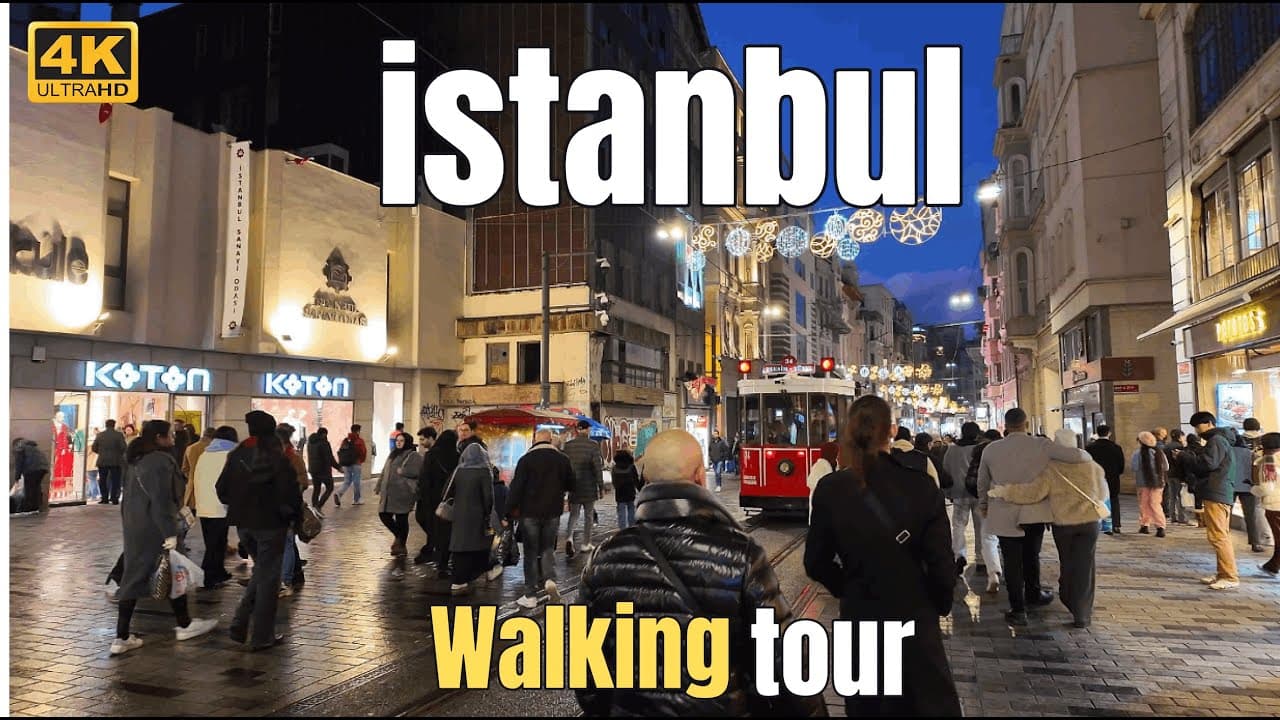
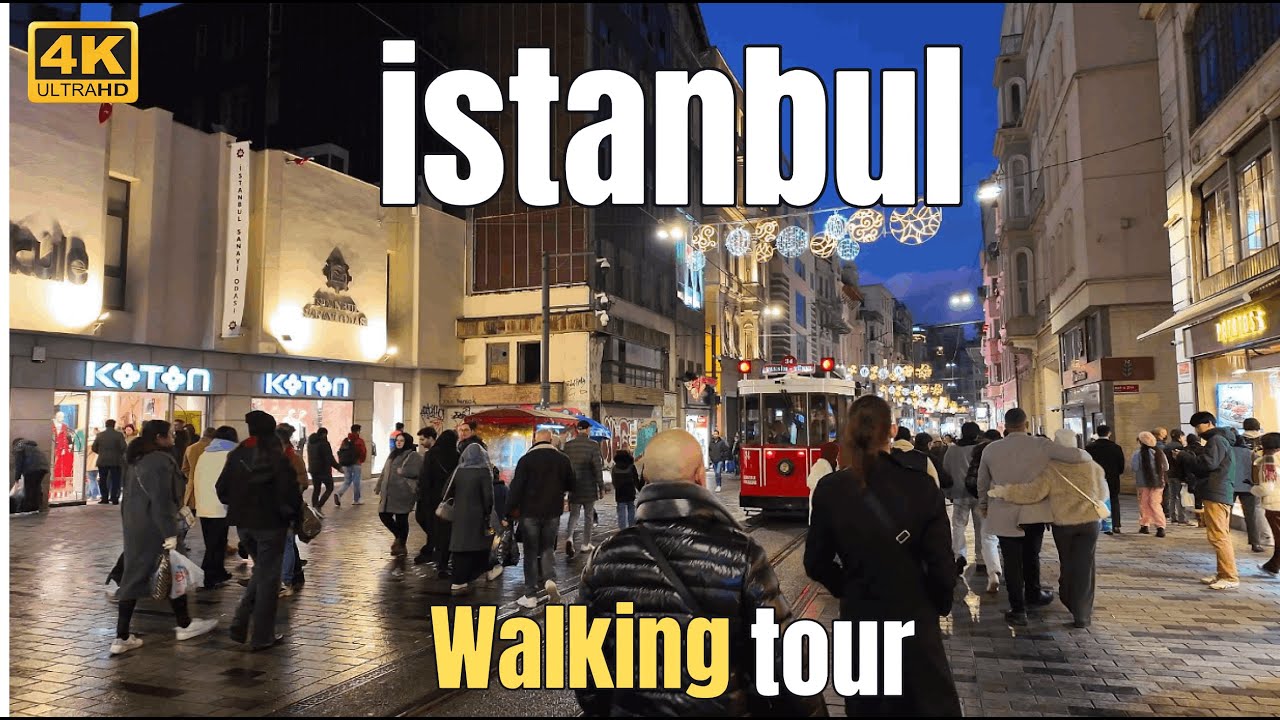
Istanbul Walking Tour 4K - Evening Walk on Istiklal Street & Taksim Square
Watch the 4K walkPlaces on the map
9 pinsNumbers match the order in the article. Tap a pin for directions.
Istanbul's Black Sea coast: Sile and Agva
The most common mistake with Sile and Agva is planning them as a quick hop from the city. Both lie inside Istanbul province, but Sile is about 70 kilometres from Uskudar and Agva about 90, and most of the route is a single-lane road in each direction. On summer weekends traffic can easily double the driving time. The plan that works is a full day starting early, or an overnight stay; leaving at noon and expecting to be back by dinner does not.
What you get in return is worth the road. On the Sile side there are wide beaches facing the open Black Sea, a large lighthouse dating from 1859 and a castle perched on an islet. On the Agva side a small town sits between two rivers, known for its breakfasts and rowing boats. Along the coast in between run coves that rarely make it onto maps.
The nine stops below match the numbers on the map on this page, moving from central Sile east towards the rivers of Agva.
Quick answer
- Distance: about 70 km from Uskudar to Sile, about 90 km to Agva. Ninety minutes without traffic; on a summer weekend budget double that.
- Best time: mid-June to September for swimming; spring and autumn for walking and the rivers.
- Safety: rip currents on the Black Sea are serious. Swim only at flagged beaches with lifeguards.
- Getting there: buses run from Uskudar to both Sile and Agva; a car makes the coves in between far easier.
Things to see
1. The Sile lighthouse
The lighthouse on the headland at the western edge of town was built in 1859 by French engineers during the Ottoman period, and it counts among the biggest lighthouses in Turkey. Its nineteen-metre masonry tower is still in service; the light is visible far out to sea at night. The grounds make a short walk, and the rocky headland is a good spot for watching the Black Sea swell roll in. The interior opens to visitors from time to time, but this is not a regular museum operation; check on the spot or with the municipality before counting on it. Even closed, it earns a stop from the outside, for the stonework and the position alone. At sunset the tower, the rocks and the cove below fit into one frame, which makes it the best hour for photographs. You can walk here from the centre, and there is parking.
2. The Ocakli Island castle
A small medieval castle stands on a rocky islet just off Sile harbour. The single-towered structure spent centuries as a ruin; a restoration completed in 2015 changed its silhouette considerably and became a talking point across the country. The neat, upright tower you see today is the product of that work. There is no regular crossing to the islet, so the castle is viewed from the shore, from the harbour and from the walking path on the lighthouse side, and honestly that is its best angle. With waves breaking on the rocks, the islet and its tower make the most photographed scene in Sile. The easiest way to take it in is from one of the tea gardens around the harbour. Fishing boats sometimes run short loops past the island, but do not treat that as a fixed service; ask at the harbour on the day.
3. The central Sile beach
Below the town, stretching east from the harbour, lies Sile's wide public beach of yellow sand. You walk down from the centre; behind the beach are showers, toilets and snack stands, and in front is the open Black Sea. In summer lifeguards cover marked sections and a flag system operates; that section is where you swim, not the unguarded edges. The Black Sea's rip current is real even on this broad, flat beach, and calm-looking water is misleading. On July and August weekends the sand fills up by midday, so arriving early wins you both a spot and a parking place. It is easy to pair a beach day with the town itself: after swimming, climbing up to the market streets for a fish restaurant or a tea garden is the classic Sile routine. Outside the swimming season the empty beach makes a fine walk.
4. Ayazma Beach
West of the centre, Ayazma is one of Sile's best known and longest beaches. Broad sand, sunbed and umbrella operators behind it and places to eat make it an easy full-day base, and families and larger groups usually pick it first. The price of that popularity is the crowd: on summer weekends the good spots are gone by midday, and coming early in the morning changes the whole day. The water is still the Black Sea; a current can run even where it looks shallow. Swim in the lifeguarded area during the season and within what the flag allows, and keep children within reach at the waterline. The beach operators work roughly from June to September; out of season the sand goes quiet but most services close. In summer there are minibus links from central Sile, and asking for the times on the day is the safest approach.
5. The Sile cloth market
Sile bezi is the loosely woven, thin and light cotton cloth that carries the town's name; because it stays cool and does not cling, it goes into summer shirts and dresses. The shops in the central market streets sell clothing, covers and baby sets made from it. Some still stock handwoven pieces, while in others machine-made cloth dominates. The two differ in texture and price, so if you want the handwoven kind, ask and look closely at the weave; a loose, slightly irregular weave is usually the sign of handwork. In summer the town holds a festival built around the cloth, and the market comes alive if your visit lines up with it. A piece of this fabric is the most fitting thing to carry home from here: light, packable and genuinely particular to this town. The market streets run into the lanes heading down to the beach, so shopping slots easily into a sea day.
6. The Sahilkoy-Sofular coves
West of central Sile, small coves and short beaches line the shore below the villages of Sahilkoy and Sofular. This is a plainer stretch of coast, away from the crowds of the main beaches: rocky headlands, strips of sand and village houses behind. For people after quiet, and for coastal walkers, it is one of the finest parts of the whole line. Some honesty is due, though: most of these coves have no lifeguard, and facilities are thin or absent. The Black Sea current applies here as much as anywhere, so keep any swimming to standing depth and stay out of open water; the real pleasure is the view, a picnic and the walk anyway. Bring water and shade, and carry your rubbish back out. Public transport barely serves this shore, so in practice these coves are visited by car, as a calm hour added to a Sile day.
7. The Kurfali shore
On the road between Sile and Agva, the beach in front of the village of Kurfali is one of the lesser known stops on this coast. A long, wide band of sand, greenery behind it and a few simple businesses; that is the whole offer. It is not the place for music, crowds and rows of sunbeds, and that is exactly why people who avoid the main beaches choose it. Even on summer weekends it stays noticeably calmer than Ayazma. The same simplicity demands care on the safety side: lifeguard cover is not guaranteed in every section or at every hour, so enter the water cautiously and skip it altogether on rough days. Out of season the shore empties almost completely and the businesses close; at that time of year this is a long beach walk rather than a swimming stop. A short turn-off from the Sile-Agva road brings you down, and it works best as a pause on the drive between the two towns.
8. Agva
Agva is a small town built between two rivers, the Goksu and the Yesilcay; the name is said to mean "between two streams", and nothing sums the place up better. The classic image here is riverside hotels, wooden jetties and breakfast tables facing the water. There is a sea too, with a beach in front of the town, but the calm of the rivers is the real reason people come. On weekends the town fills up, and riverside rooms are hard to find in summer without booking ahead. Out of season the picture flips: most businesses close on weekdays and open only at weekends, and the town slows right down. For people who like that stillness, winter Agva has a charm of its own; for anyone expecting activity, it can disappoint. From Sile the drive takes about half an hour.
9. The Goksu and Yesilcay rivers
The two rivers that wrap around Agva are where most of your time here actually goes. Along the Goksu, riverside hotels and jetties line the bank, and renting a rowing boat or a pedal boat and moving slowly under the trees is the best known pleasure in town. The water is mostly still, no rowing experience is needed, and even half an hour on it pulls you fully out of the city. The Yesilcay side has fewer businesses and a plainer bank, which makes it the better walking river. Early morning is when both are at their calmest, with more birdsong than motor noise. The one place that needs caution is the river mouths, where the streams meet the sea; the current can strengthen there, so keep boats well back from the mouth. Rental operators work daily in season and mostly weekends only outside it, so plan a winter visit accordingly.
Getting there
By public transport the reliable route is the bus from Uskudar: services to Sile run regularly, and the lines continuing to Agva are sparser. Because the trip is long, check departure times both ways in advance, especially the last bus back from Agva. Buses take you to central Sile and to Agva; reaching the coves in between without a car is difficult in practice.
By car you take the Uskudar-Sile road. The distance looks short, but the road is single-lane and winding, and on summer Saturday mornings outbound and Sunday evenings inbound the traffic thickens enough to double the journey. Leaving early and returning early, or staying the night and driving back on Monday, solves most of it. Sile to Agva takes about half an hour by car, with stops like Kurfali along the way.
When to go
The swimming window runs from mid-June to late September; the Black Sea warms late and stays cooler than the Aegean. July and August are the busiest months, and going midweek makes a large difference.
Spring and autumn beat summer for everything except swimming: the rivers are green, the coves are empty and the road is quiet. Agva's riverbanks are at their best in these months. In winter, go knowing that most businesses shrink to weekend opening; it is a season for people who want the place to themselves.
Swimming safety
The Black Sea deserves respect. Rip currents on this coast are real and cause drownings every summer; even when the surface looks calm, a current underneath can pull you away from shore.
The rules are simple. Swim only at flagged, lifeguarded beaches, during lifeguard hours. A red flag means stay out of the water, with no room for negotiation. At unguarded coves like Sahilkoy-Sofular and Kurfali, keep to standing depth or stay out entirely. If a current takes you, do not fight straight back towards the beach; swim parallel to the shore until you are out of it, then head in and raise an arm for help. Never leave children alone at the waterline, even briefly.
FAQ
**Can you do Sile and Agva as a day trip?** Yes, if you give it the whole day. Sile is 70 kilometres from Uskudar and Agva 90, and summer traffic can double the drive. Leaving early, spending the morning in Sile, moving to Agva in the afternoon and starting back before dinner is a plan that works. Anyone who wants the riverside morning should stay a night.
**Is it safe to swim in the Black Sea?** In the right place, yes. The rip current is the genuine danger on this coast, so swim only at lifeguarded beaches with a flag system and never enter on a red flag. The unguarded coves are for views and walks, not swimming.
**Sile or Agva?** They do different jobs. Sile, with its lighthouse, castle, market and wide beaches, gives you a livelier town day; Agva, with its riverside calm and breakfasts, is the place to sleep. If you have the time, take them in order: Sile by day, Agva for the evening and morning.
**Do I need a car?** Not for central Sile and Agva, since buses run from Uskudar. But the stops in between, the Sahilkoy-Sofular coves and the Kurfali shore, are in practice reachable only by car. If you go by bus, find out the last return service before you set off.
Planning questions
What does this İstanbul guide cover?
Plan Sile and Agva on Istanbul's Black Sea coast around the sandy beaches, the Genoese castle, the lighthouse and Agva's two rivers, with safety notes.
Can I watch a 4K walking tour of İstanbul?
Yes. The page links to Travel Walk Tours films so you can preview the İstanbul route on a big screen before you go.
How should I use this page to plan?
Read the quick answer first, skim the route notes, then compare street texture, timing, and nearby guides through the linked city page and walking films.