An Asian-side guide from Uskudar square and its mosques to the Maiden's Tower, the village streets of Kuzguncuk and Camlica hill, reached by ferry.
Walk this route
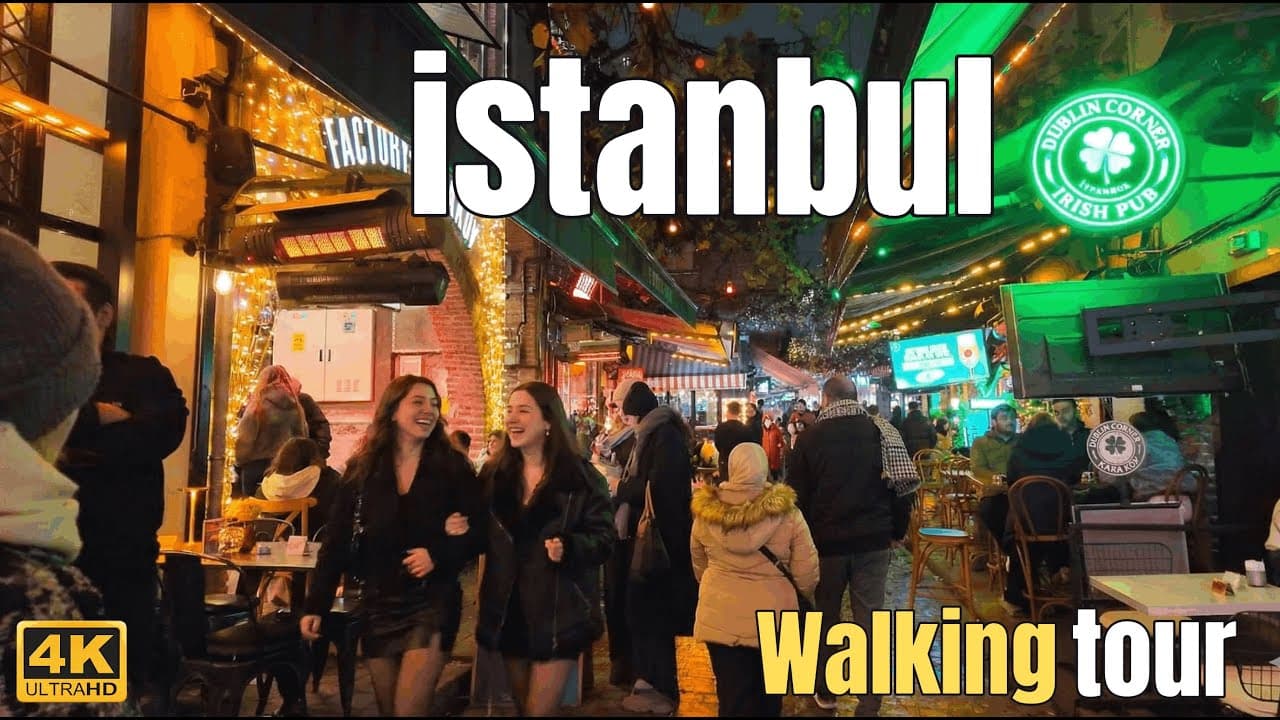
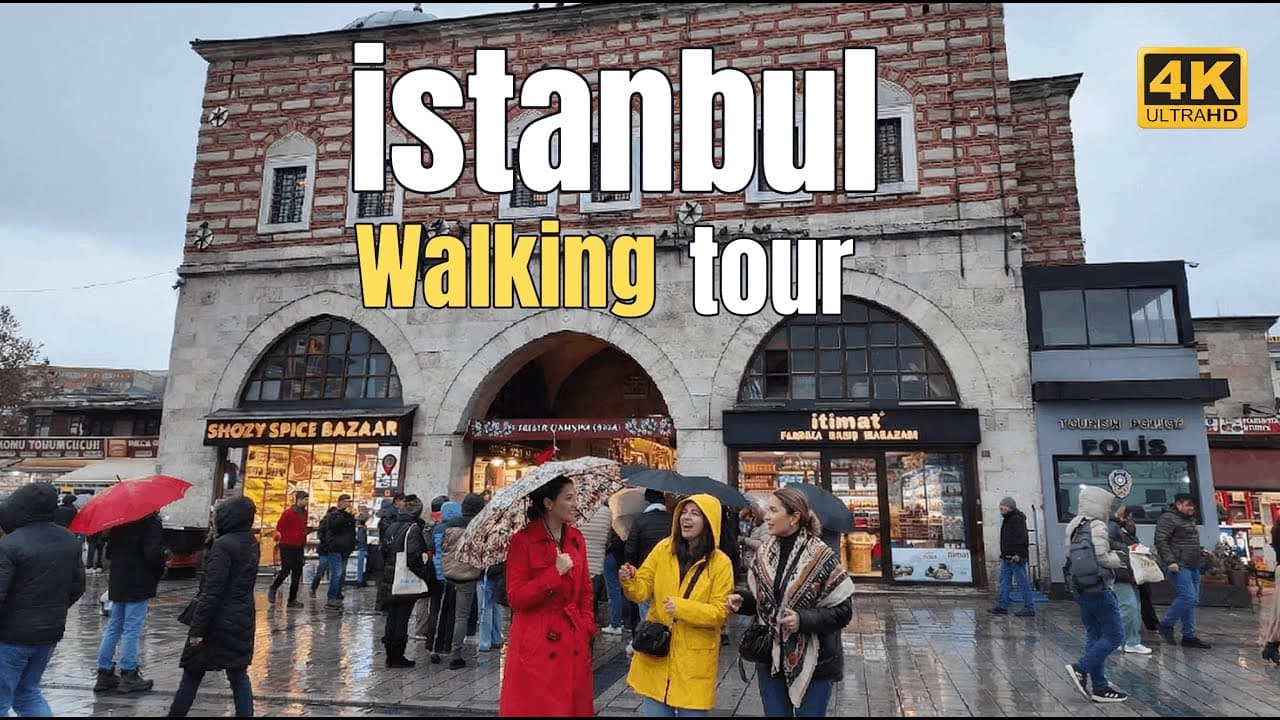
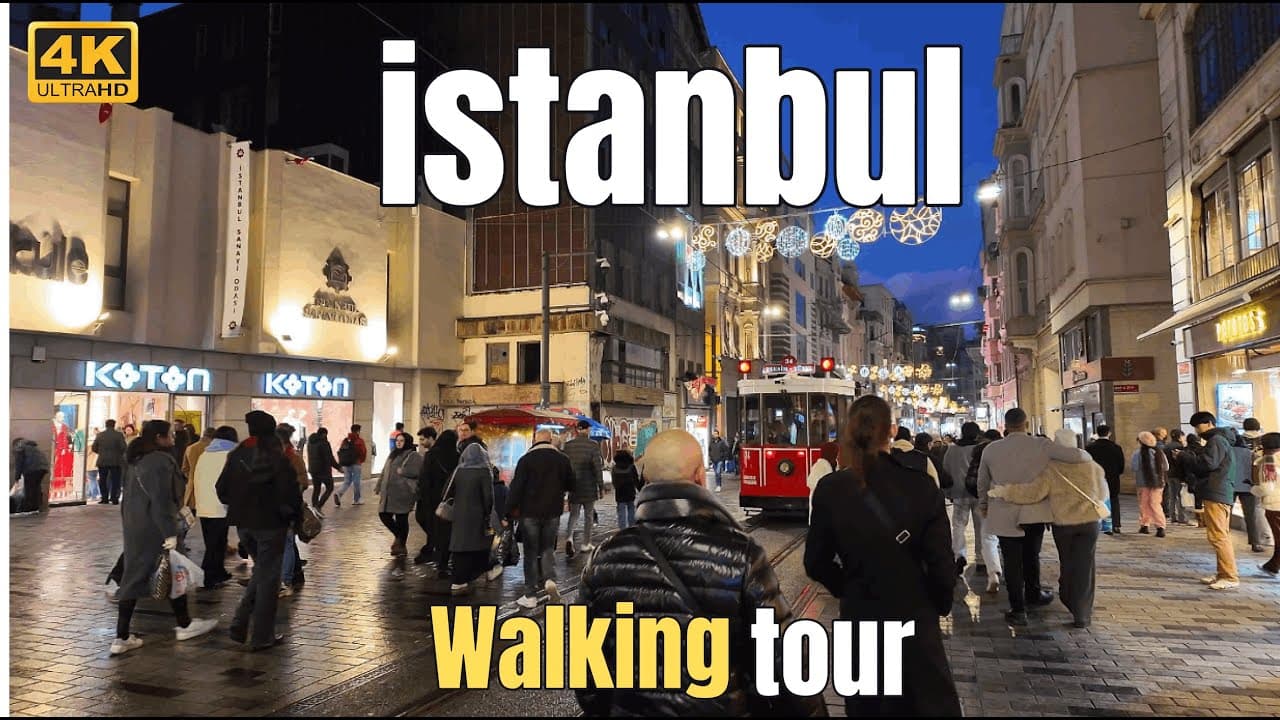
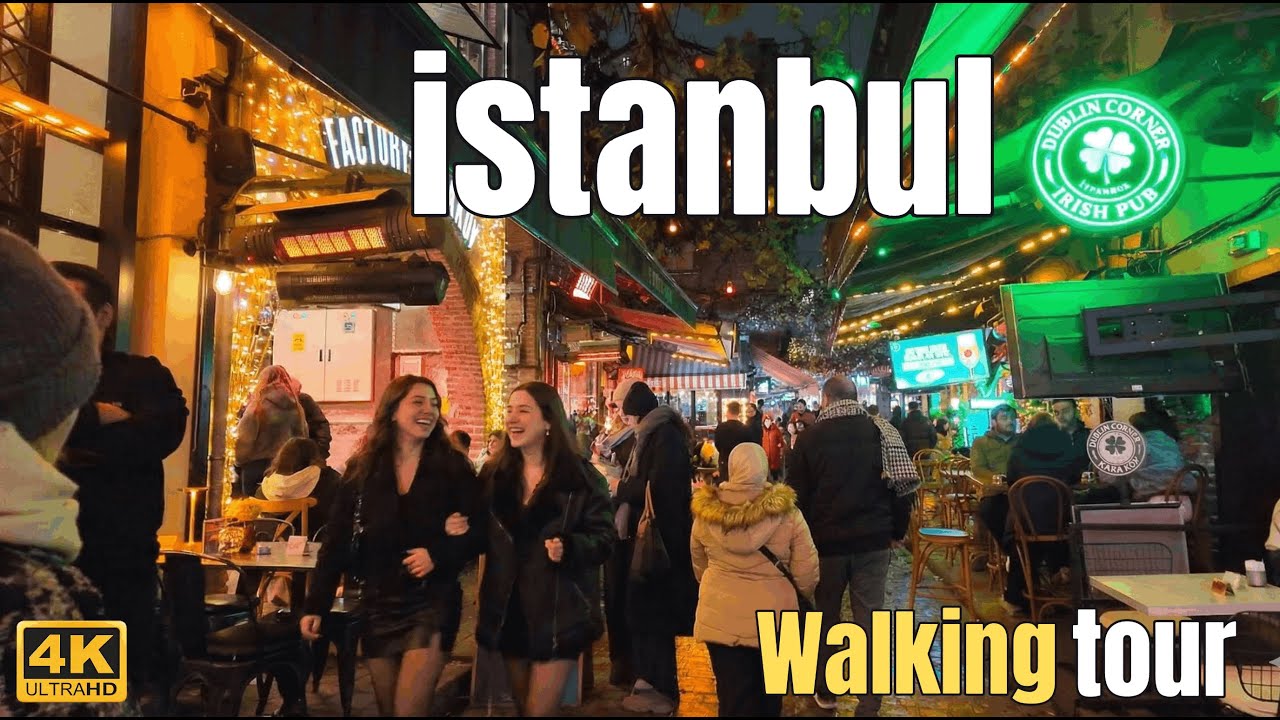
Istanbul Walking Tour 4K - Beautifully Lit Streets and Shops of Karaköy & Galataport at Night
Watch the 4K walkPlaces on the map
12 pinsNumbers match the order in the article. Tap a pin for directions.
Uskudar: the Asian shore's old heart, from the Maiden's Tower to Camlica
Üsküdar is where Istanbul's Asian side keeps its history. It was a town before the conquest, grew into the empire's most pious district, and its waterfront still gathers three royal mosques within five minutes of the ferry pier. Behind them, the shore road strings together some of the Bosphorus's best-loved villages: Kuzguncuk with its wooden houses, Beylerbeyi with its summer palace, Çengelköy under its plane trees.
The district's mood is calmer and more conservative than the European shore. People cross for a mosque photo and the Maiden's Tower view, then leave; that is the mistake. Üsküdar rewards a full day: sunset at Salacak, fish in the market lanes, a slow bus ride up the shore villages, tea on Çamlıca Hill above it all.
This guide covers twelve places in walking-and-bus order, from the pier to the hilltop.
Quick answer
Üsküdar is the historic, quietly religious centre of Asian Istanbul, combining Sinan's waterfront mosques, the Maiden's Tower view, the shore villages of Kuzguncuk, Beylerbeyi and Çengelköy, and the Çamlıca viewpoints.
- Ferries run constantly from Eminönü, Karaköy and Beşiktaş; Marmaray brings you under the strait in four minutes.
- Dress modestly for the mosques and time visits between prayers.
- Do the shore villages by bus or a long walk north; finish with sunset at Salacak or from Çamlıca.
1. The Maiden's Tower
The Kız Kulesi sits on its rock off the Üsküdar shore like a punctuation mark at the mouth of the Bosphorus. A tower has guarded this islet since antiquity; the present silhouette is Ottoman, lighthoused and legend-laden, the story of the princess and the snake retold on every postcard. After a long restoration it reopened with boat access from the shore and a cafe-museum arrangement inside; schedules and tickets change, so verify the current boats and hours officially before promising anyone the interior. Honestly, the tower is best from outside anyway: it exists to be looked at, ideally from the Salacak waterfront at dusk when the lights come on and the historic peninsula burns gold behind it. Photographers stake out the shore rail an hour before sunset.
2. The Salacak shore
The kilometre of waterfront between Üsküdar pier and Harem is the best free grandstand in Istanbul: the Maiden's Tower in the foreground, Topkapı, Hagia Sophia and the Blue Mosque stacked across the water, ferries stitching the strait. Locals treat it as their evening living room, with benches, tea sellers and fishermen the whole way. Come for sunset and stay past dusk, when the monuments light up one by one; bring a jacket, the wind off the Marmara is real even in summer. The shore path is flat and stroller-friendly, and simit-and-tea from a cart costs a fraction of the view terraces on the other side. On summer weekends every bench is taken by seven; weekday evenings breathe easier.
3. The Mihrimah Sultan Mosque
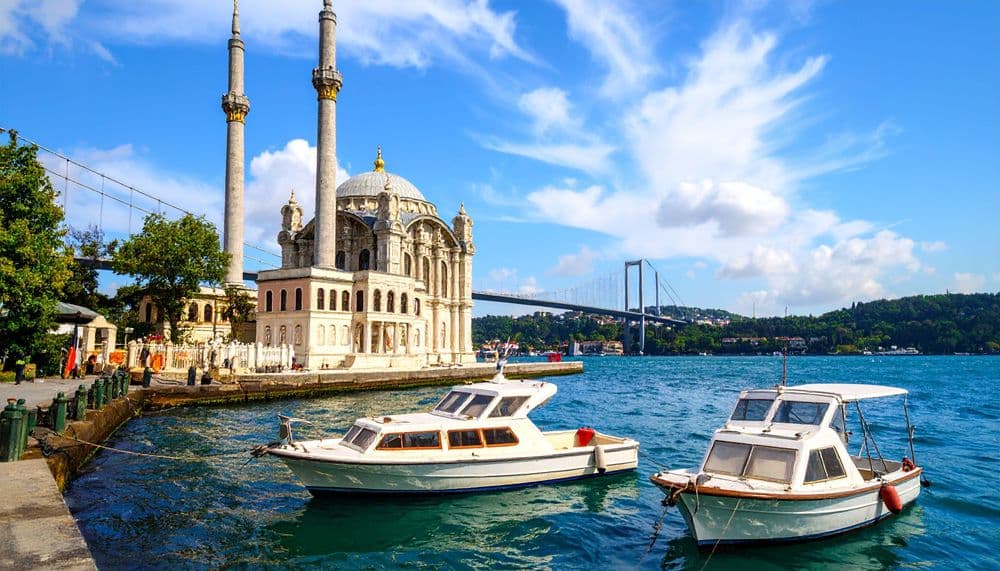
Facing the ferry pier stands Mihrimah Sultan's mosque, built by Mimar Sinan in the 1540s for Süleyman the Magnificent's daughter, its dome raised on high arches so the interior fills with light. This is the mosque locals mean when they say "iskele camii", the pier mosque, and its raised terrace watches the whole harbour choreography of boats and gulls. City legend pairs it with Mihrimah's other mosque at Edirnekapı: on her birthday the sun sets behind one minaret as the moon rises behind the other. An active mosque in a devout district: cover shoulders and knees, women a headscarf inside, shoes off, and step out during the five daily prayers. Ten minutes inside, plus however long the terrace holds you.
4. The Semsi Pasha Mosque
A few hundred metres along the shore sits the smallest famous mosque in Istanbul: Şemsi Paşa, Sinan's miniature of the 1580s, a single dome and a tiny tomb pressed so close to the water that spray hits the courtyard wall in a lodos wind. Sailors called it the Kuşkonmaz, the mosque where birds do not land, supposedly because the wind keeps them off; watching cormorants ignore the rule is part of the visit. The complex, with its L-shaped medrese now a public library, takes fifteen minutes and pairs with the fishermen lining the rail outside. Same etiquette as any working mosque. Of all Sinan's buildings in the city, this is the one that best explains his genius for fitting architecture to a site.
5. The Yeni Valide Mosque
A block inland, inside the market quarter, rises the Yeni Valide Mosque, built in the early 18th century by Ahmed III for his mother, with a green-caged open tomb, a birdhouse carved like a palace on its wall, and a courtyard where the neighbourhood crosses paths all day. It is the working religious heart of central Üsküdar rather than a tourist stop, which is its appeal: prayer beads and simit crumbs, not tour flags. The carved details repay slow looking, especially the sebil and the birdhouse. Standard mosque etiquette applies with extra care here, as visitors are fewer and more noticeable. Combine it with the market streets around it, which begin at its walls.
6. The Uskudar market and fishmongers
Üsküdar's çarşı spreads inland from the pier: fish stalls shining under bare bulbs, pickle shops, old-school breakfast houses, börek ovens and tea gardens in mosque courtyards. It is a real neighbourhood market serving a conservative district, cheaper and calmer than anything comparable across the water. Come hungry: fish sandwiches and soup lokantas around the fish market, künefe and milk puddings deeper in. Most food places are alcohol-free here; that is the district's character, not a slight. Mornings are liveliest for the market itself, late afternoon for picking up food before the Salacak sunset. From the market lanes you can reach all three great mosques inside ten minutes on foot, which makes this the logical lunch anchor of the day.
7. The Fethi Pasha grove
Above the shore road toward Kuzguncuk climbs Fethi Paşa Korusu, a hillside grove of pines and planes crossed by walking paths, with tea-garden terraces looking across the Bosphorus to the towers of the European side and the first bridge sailing overhead. It is where Üsküdar goes for breakfast with a view: serpme kahvaltı on the terraces at weekends, joggers and dog walkers on the paths early. Entry is free; the cafes charge view-terrace prices that are still gentler than their European-shore equivalents. The climb from the shore is short but steep. As a pause between central Üsküdar's mosques and Kuzguncuk's streets, it fits perfectly, and it is one of the few places where the intercontinental bridge feels close enough to touch.
8. Kuzguncuk
Kuzguncuk is the Bosphorus village everyone falls for: one plane-shaded street, İcadiye Caddesi, running inland from the water between pastel wooden houses, with a mosque, an Armenian church, two Greek churches and two synagogues within a few hundred metres of each other, the city's favourite shorthand for its old pluralism. Today the street is bakeries, tiny cafes, a bostan community garden up the hill and film crews who cannot leave it alone. It is also a real, small neighbourhood: photograph houses, not residents' windows, and keep voices down in the residential lanes. An hour covers it; two with coffee and the garden. Weekday mornings are its own self; weekend brunch crowds are considerable. Buses along the shore road, or a pleasant 25-minute walk from Üsküdar pier.
9. Beylerbeyi Palace
Just past Kuzguncuk, under the first bridge's Asian tower, sits Beylerbeyi Sarayı, the marble summer palace Sultan Abdülaziz built in the 1860s for hosting visiting royalty; Empress Eugénie of France stayed here, and deposed Abdülhamid II died here. It is a compact palace by Dolmabahçe standards, which is its advantage: crystal, Bohemian chandeliers, a pool in the central hall and magnolia gardens on the water, seen properly in about an hour without exhaustion. Visits run on the national palaces system with timed entries and closed days that change, so verify hours and tickets officially. The garden terrace, with the bridge roaring softly overhead and the Bosphorus at your feet, is among the strait's stranger and finer places to stand.
10. Cengelkoy
One more village along, Çengelköy gathers around a tiny harbour square where the Çınaraltı tea garden pours çay under a plane tree that has watched the strait for centuries. The village's fame is edible: the small, sweet Çengelköy cucumber, eaten raw with salt at the tea tables in early summer, and the historic bakery whose breakfast queues start early at weekends. The shore here keeps a line of fine yalıs and the vast waterfront facade of the Kuleli military school just beyond. There is no sight to tick, and that is the point: tea, water, boats, an hour of doing nothing at the exact pace the Bosphorus villages were built for. Buses continue up the shore or return you to Üsküdar in twenty minutes.
11. Camlica Hill
Büyük Çamlıca is the classic panorama of Istanbul: the hill above Üsküdar where the whole city lays itself out, both bridges, the serpentine strait, the historic peninsula floating in haze. Landscaped gardens and tea-garden pavilions cover the summit, so the view comes with çay and, at weekends, with half the city; weekday mornings are the quiet window. Getting up without a car means a bus from Üsküdar plus a short uphill walk, or a taxi; many combine it with the return from the shore villages. Sunset is glorious and busiest; a clear morning gives sharper photographs. It is free, family-filled and unhurried, the counterpoint from above to everything you walked below.
12. The Camlica Tower
On the neighbouring summit stands the Çamlıca Tower, the 369-metre broadcast spire that replaced the forest of old TV masts, with paid observation decks near the top reached by fast lifts. On a clear day the view dwarfs even the hill's: the city grid, the Marmara islands, ships queuing for the strait like toys. It is a modern, ticketed experience with a cafe and restaurant levels; prices, hours and visibility all matter, so verify officially and skip it in haze, when you would pay to look at the inside of a cloud. Choose by taste: the hill gives you Istanbul with tea and grass, the tower gives you Istanbul as a map. Doing both in one afternoon is possible with a taxi hop between summits.
Getting there
Üsküdar is one of the easiest crossings in the city: ferries from Eminönü, Karaköy, Beşiktaş and Kabataş every few minutes through the day, and the Marmaray rail tunnel from Sirkeci in four minutes. From the pier, mosques and market are on foot. The shore villages line one bus corridor along the coast road, with stops at Kuzguncuk, Beylerbeyi and Çengelköy; taxis are plentiful. For Çamlıca, take a bus or taxi from central Üsküdar. The M5 metro serves inland Üsküdar if you arrive from the Asian side's interior.
When to go
Spring and autumn give the shore its best light and the tea gardens their best weather. For any single day: mosques and market in the morning, villages after lunch, Salacak or Çamlıca for sunset. Ramadan evenings around the mosques are crowded and atmospheric; Friday middays are for worship, not visits. Summer weekends flood Kuzguncuk and Çamlıca, so shift those to weekdays if you can.
Eating and drinking
This is conservative Istanbul's table, and it is excellent: fish soup and grilled fish by the market, börek and full village breakfasts in Kuzguncuk and Çengelköy, künefe and rice pudding in the çarşı, tea absolutely everywhere. Alcohol is scarce in central Üsküdar and low-key in the villages; plan rakı nights for the other shore. The Çengelköy cucumber in early summer and a bakery breakfast in Kuzguncuk are the two local rituals worth scheduling around.
Frequently asked questions
Can you visit the Maiden's Tower?
Boat access and interior visits operate on changing schedules and tickets; verify officially before planning. The famous view of it, from Salacak at sunset, is free and arguably better.
How much time does Uskudar need?
The pier area alone takes half a day with the three mosques and the market. Adding Kuzguncuk, Beylerbeyi, Çengelköy and Çamlıca makes a very full day; many split it in two.
Is Uskudar strict about dress?
The district is conservative; mosque rules are standard everywhere (covered shoulders and knees, headscarf for women inside). Street dress is relaxed by the shore and in the villages, but modest reads respectful here.
Hill or tower at Camlica?
The hill is free, green and social, with tea gardens; the tower is a paid observation deck with the bigger view. In haze, do the hill; on a crystal day, the tower earns its ticket.
How do the shore villages connect?
One coastal bus corridor links Üsküdar, Kuzguncuk, Beylerbeyi and Çengelköy in about twenty minutes end to end; hopping off and on is easy, and the walk between Kuzguncuk and Beylerbeyi is short and pleasant.
Planning questions
What does this İstanbul guide cover?
An Asian-side guide from Uskudar square and its mosques to the Maiden's Tower, the village streets of Kuzguncuk and Camlica hill, reached by ferry.
Can I watch a 4K walking tour of İstanbul?
Yes. The page links to Travel Walk Tours films so you can preview the İstanbul route on a big screen before you go.
How should I use this page to plan?
Read the quick answer first, skim the route notes, then compare street texture, timing, and nearby guides through the linked city page and walking films.