Antalya is large and organised, Mugla scattered and cove-led. The scale difference, ancient sites, whether you need a car, how crowds spread and the all-inclusive question.
Walk this route
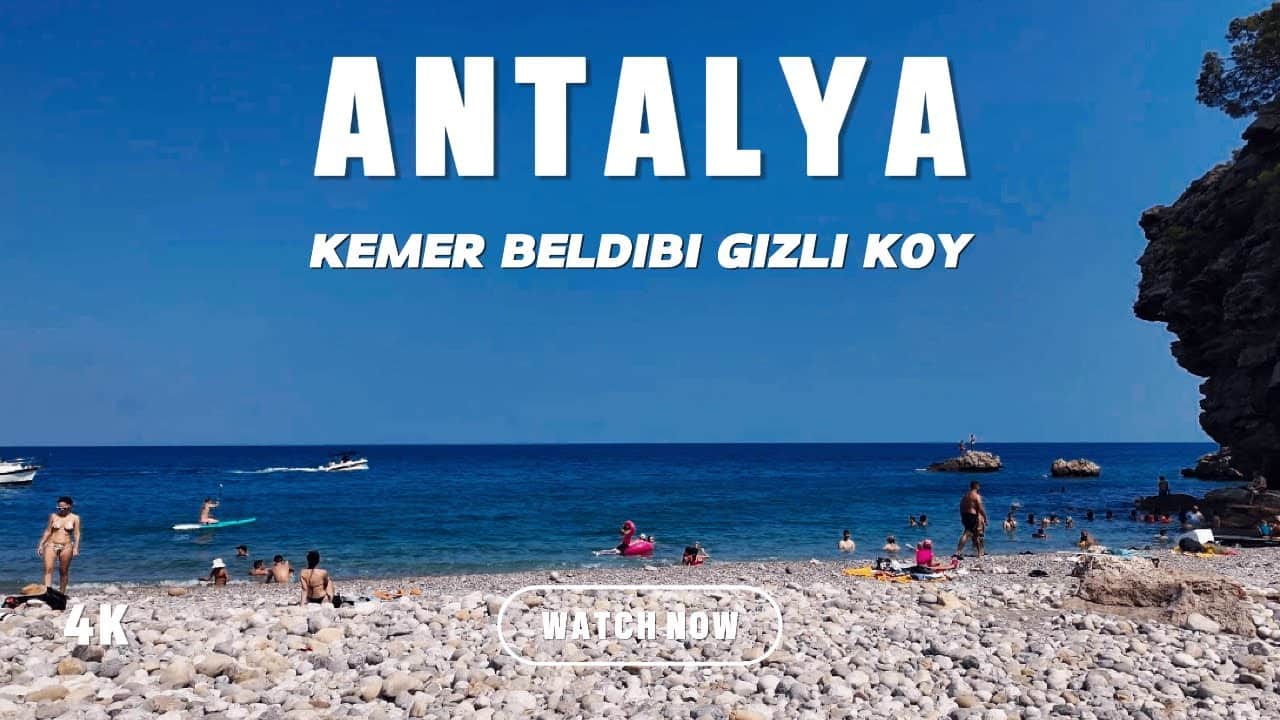
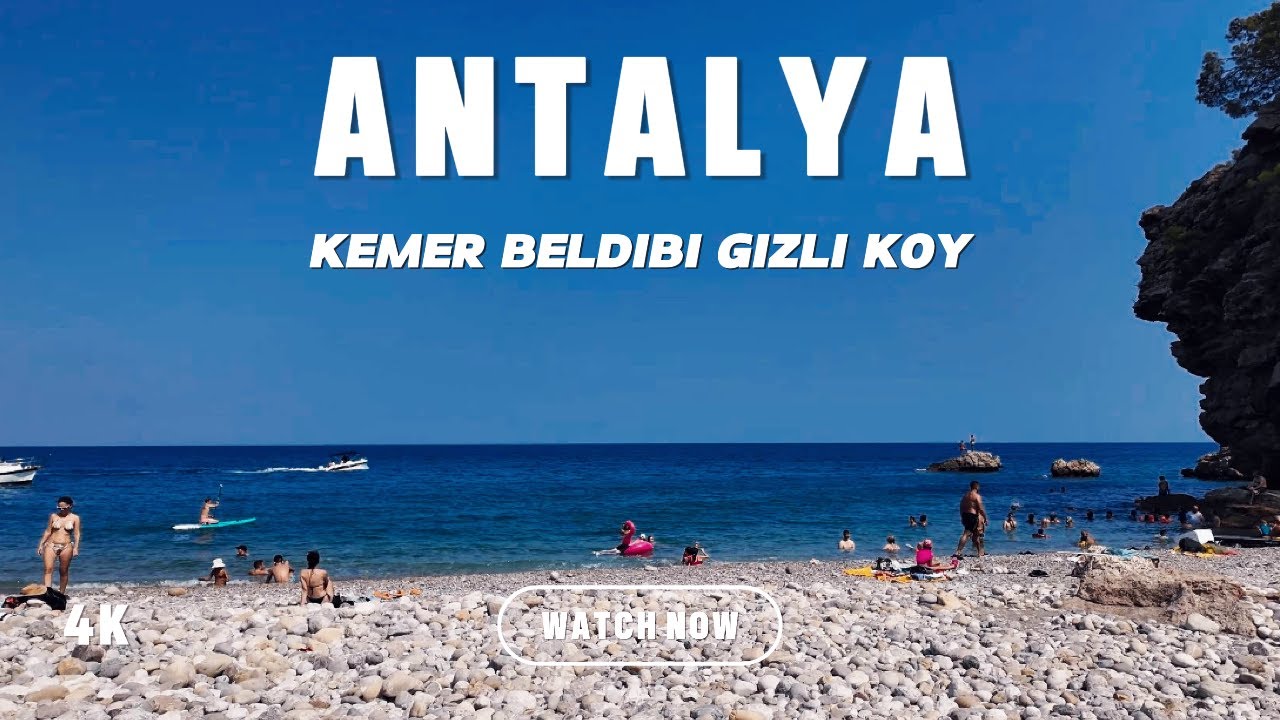
Turkey Antalya - Kemer - Beldibi - Hidden Cove | Walking and Beach Views - 4K
Watch the 4K walkShort Answer
These are Turkey's two big holiday coasts and their characters differ sharply. Antalya is larger, more organised and threaded through with ancient cities. Mugla is scattered, smaller in scale and built around coves.
- If you want an all-inclusive hotel and a ready-made holiday, Antalya.
- If you want to move from cove to cove, take boats and stay in small places, Mugla.
- The density of ancient sites is far higher on the Antalya side.
- A car is close to essential in Mugla; parts of Antalya work without one.
- Both are busy in high summer, but Mugla's coves spread the crowd out so it feels quieter.
The difference in scale
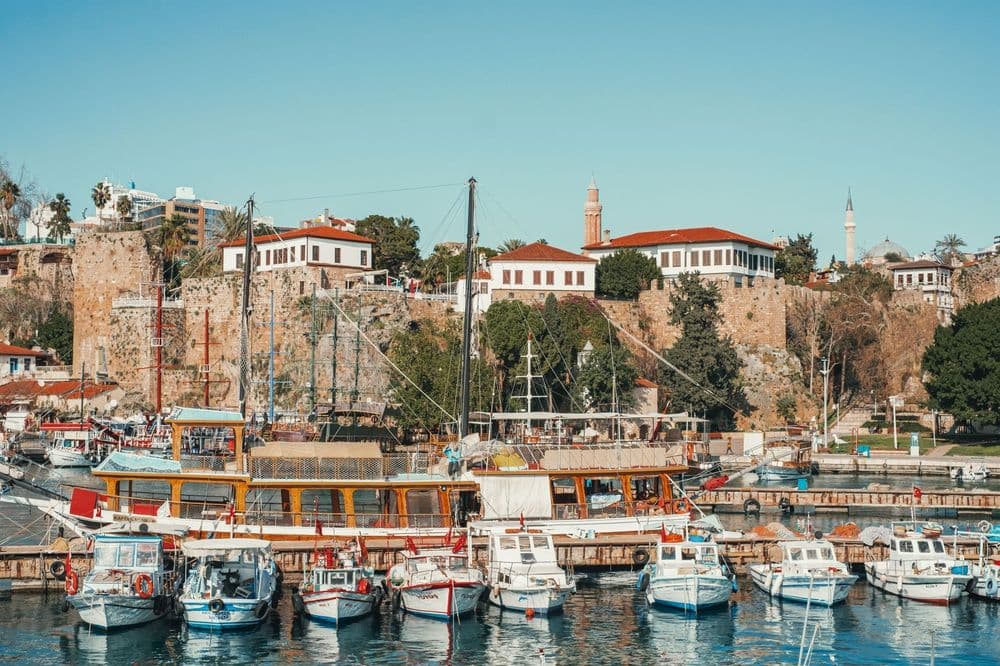
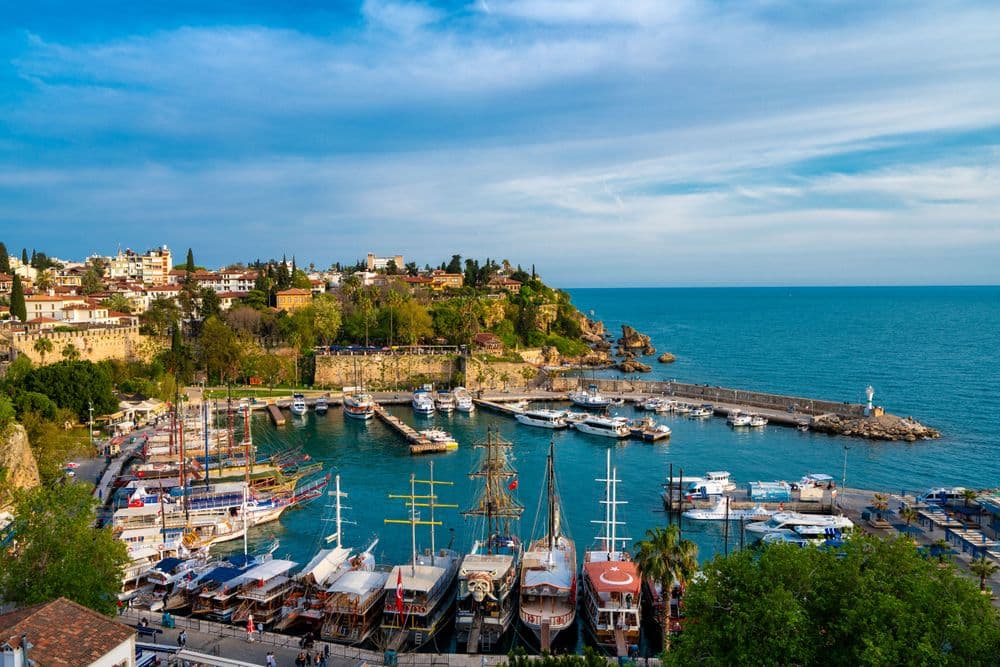
Antalya is one city with a long coastal strip, mountains behind and sea in front. Kemer, Side and Alanya are different points on that strip and each has its own character. The centre holds the old town of Kaleici, so city life and holiday sit in the same place.
Mugla is less a city than a coastal region. Bodrum, Marmaris, Fethiye, Datca, Dalyan and Akyaka are hours apart and none of them resembles the others. Almost nobody stays in the city of Mugla itself; everyone is out in the districts.
This shapes planning directly. In Antalya, basing yourself in one place and making day trips works. In Mugla it does not: you either pick one district or you move.
Antalya: a ready-made system and history
Antalya's strength is infrastructure. The airport is large with plenty of direct flights, hotel capacity is deep and the all-inclusive system is well established. Travelling with family and wanting an organised holiday, this is where you find it.
The second strength is the ancient sites. The theatre at Aspendos, Perge, the temple at Side and, on the Lycian side, Xanthos and Letoon are all within the province or an hour away. Fitting sea and history into one holiday is easy here.
Alanya, Side and Kemer each have their own guide, and if you are choosing between two of them, Side or Alanya compares them directly.
Mugla: coves and variety
Variety is Mugla's subject. The Bodrum peninsula is a series of separate bays whose north and south coasts behave differently in the wind. Around Fethiye the water is clear and the slopes are steep. Datca sits off the main line and stays quiet. Dalyan is river and turtles, Akyaka wind and a spring-fed stream.
Boat culture is stronger here than in Antalya. Day trips and blue cruise departures are this coast's own business, and the coves no road reaches are only accessible that way.
There are separate guides for Bodrum, Fethiye, Marmaris, Dalyan and Akyaka.
Getting there and getting around
Direct flights to Antalya are easy to find and the airport is close to the coastal strip. Transfers towards Kemer, Side and Alanya are a well-run system, and some centres are manageable without a car.
Mugla is served by three airports: Bodrum-Milas, Dalaman and connections through Izmir. Which one you use depends on the district you are staying in, and getting it wrong costs two extra hours on the road.
A car is close to essential in Mugla. The coves are scattered, minibuses exist but run infrequently and stop in the evening. For that decision, see do you need a car in Turkey.
Crowds and season
Both are busy in July and August. The difference is distribution: Antalya's large hotels concentrate people in one place, while Mugla's coves spread them out. The same number of visitors feels like fewer in Mugla.
June and September are the most balanced months for both: warm sea, thinner crowds. On the Mediterranean, October still swims, which is an Antalya advantage.
For choosing a beach, see the best beaches in Turkey, and for timing, the best time to visit.
The short version
With family and children, and for an organised holiday: Antalya. As a couple, for coves and boats: Mugla. If ancient sites are the priority: Antalya. If quiet is the priority: the Datca and Akyaka side of Mugla. On a first visit, when in doubt, Antalya forgives planning mistakes more readily.
For a narrower comparison, Bodrum or Antalya puts those two head to head.
Planning FAQ
**Which is easier with family?** Antalya. The hotel infrastructure and all-inclusive system simplify a holiday with children.
**Can I manage without a car?** In some Antalya centres, yes. In Mugla the coves are too scattered, so a car is close to essential.
**Which is more expensive?** Both vary by season and we do not quote figures. Broadly, all-inclusive packages make the budget predictable, while moving cove to cove is more variable.
**I want to see ancient cities. Which one?** Antalya. Aspendos, Perge, Side and the Lycian region sit on the same line.
**When should I go?** June and September are the most balanced for both. In Antalya, October is still swimming season.
Planning questions
What does this Antalya guide cover?
Antalya is large and organised, Mugla scattered and cove-led. The scale difference, ancient sites, whether you need a car, how crowds spread and the all-inclusive question.
Can I watch a 4K walking tour of Antalya?
Yes. The page links to Travel Walk Tours films so you can preview the Antalya route on a big screen before you go.
How should I use this page to plan?
Read the quick answer first, skim the route notes, then compare street texture, timing, and nearby guides through the linked city page and walking films.