You do not need a car for the big cities and the main sights, but one changes the trip on the Lycian coast, in the highlands and on scattered routes. An honest guide to choosing between flights, buses and a rental.
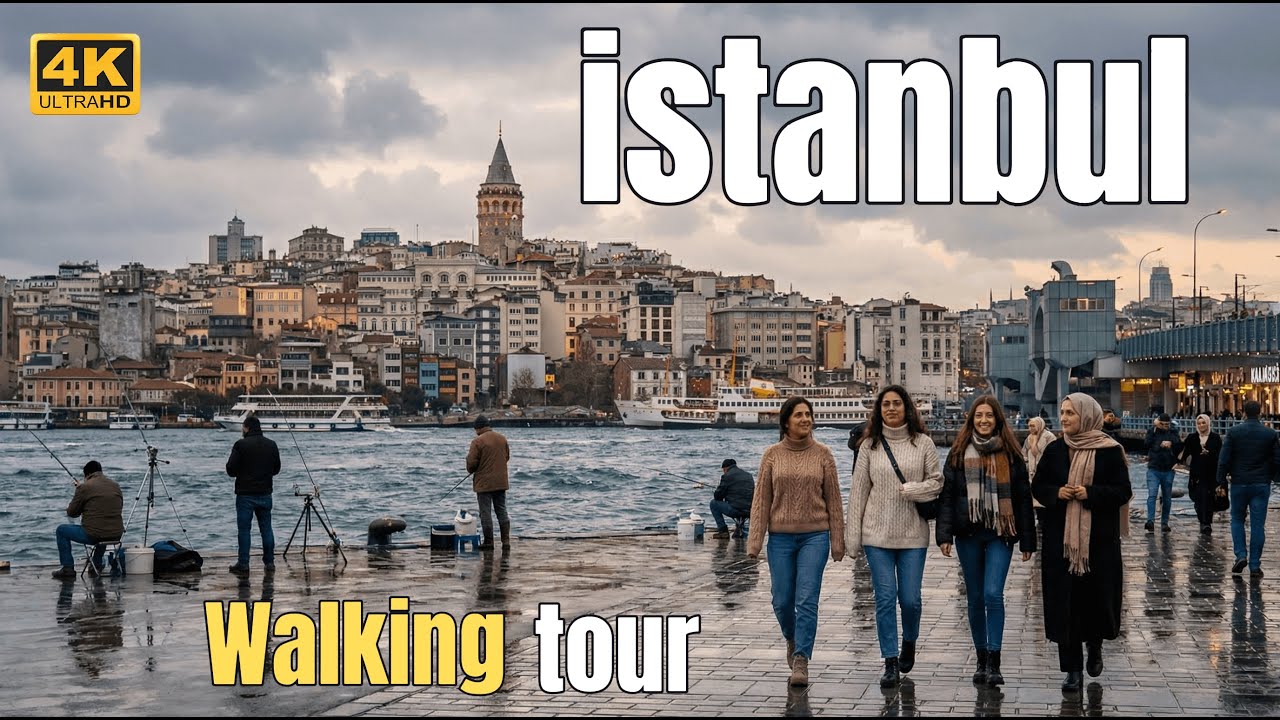
Walk this route
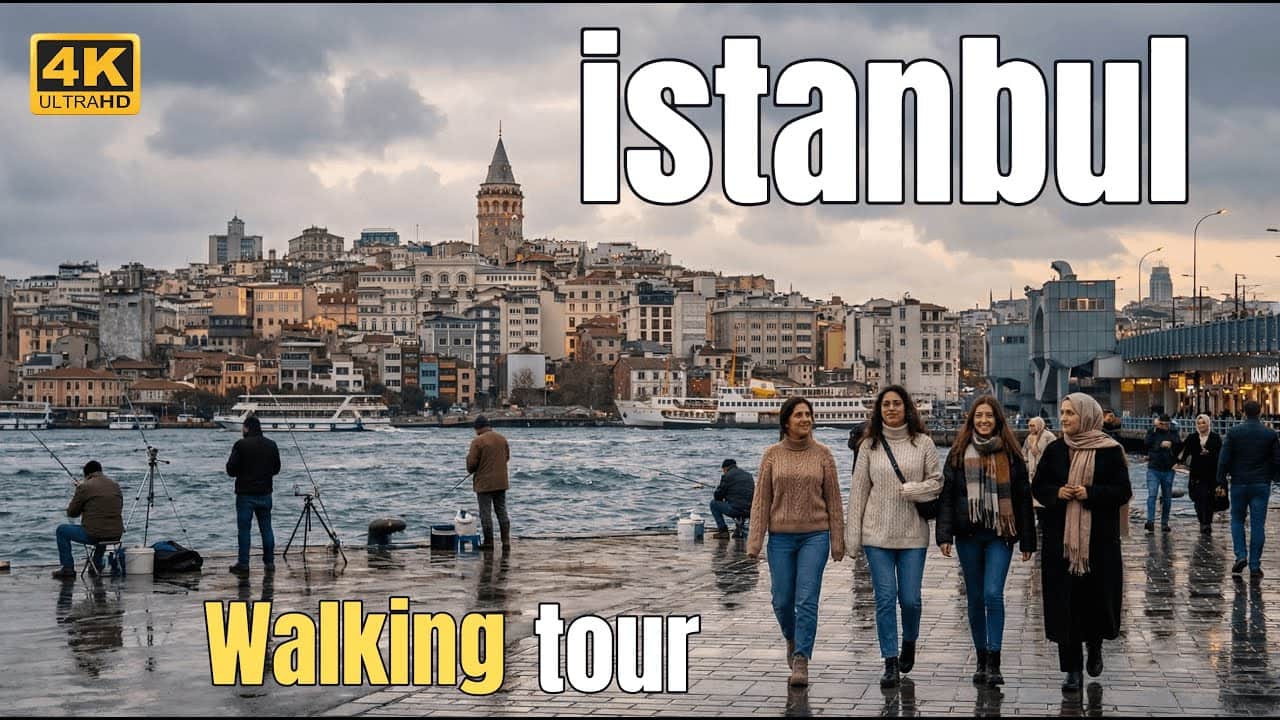
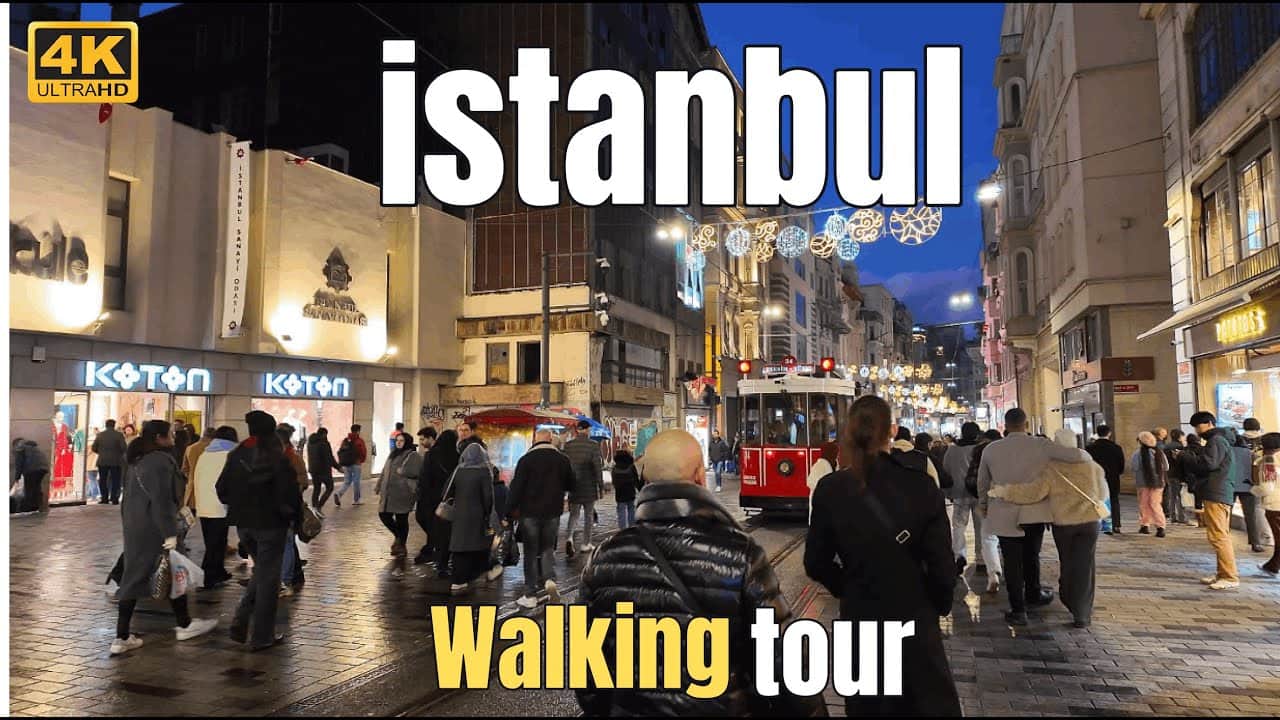
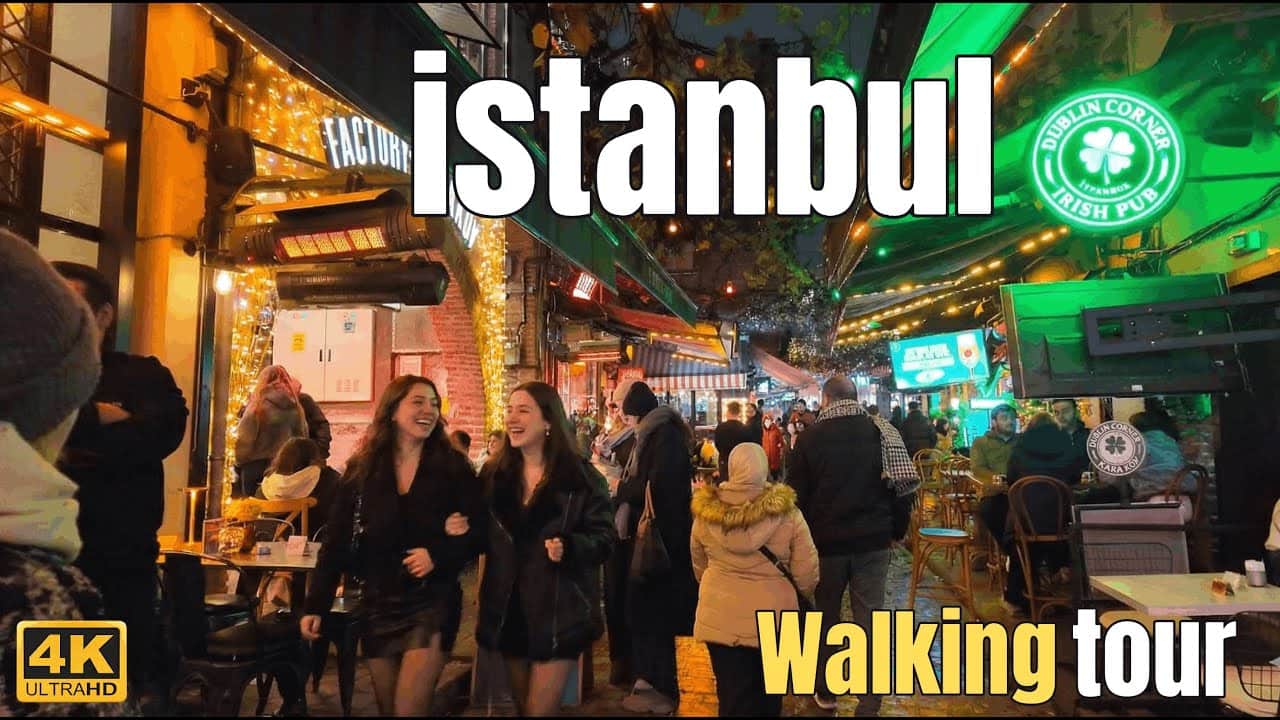
Istanbul Walking Tour 4K 60fps - A Cinematic Walk Between Eminönü & Karaköy
Watch the 4K walkShort Answer
Distances in Turkey are long, but public transport is strong. If your trip covers the big cities and the main sights, skip the rental car: flights, intercity buses and urban rail are cheaper and far less stressful. A car earns its keep on the coastal back roads, at scattered ancient sites, in the highland valleys and on any day with several stops in different directions.
- Istanbul, Cappadocia, Ephesus, Pamukkale only: no car needed.
- Lycian coast, Aegean villages, Black Sea highlands, the east: a car changes the trip.
- The deciding factor is not distance but how many separate stops you want per day. More than three scattered stops, start thinking about a car.
When you do not need a car
Turkey's most visited places are linked by domestic flights, and inside the cities public transport handles the rest. Istanbul is the clearest case: traffic is heavy, parking is scarce and expensive, and the metro, tram, Marmaray and ferry network reaches nearly everywhere. For most visitors, renting a car in Istanbul costs time rather than saving it.
In Cappadocia the bases (Goreme, Urgup, Uchisar, Avanos) sit close together, the valleys have to be walked anyway, and a local tour or taxi covers the gaps. Ephesus and Pamukkale are reached through Selcuk and Denizli by train or bus, and both sites are walked once you are inside.
Between cities you have two good options. Domestic flights reach every corner of the country and usually beat the bus on long routes for both time and price. The bus network is among the best developed anywhere: night departures, frequent services and routes into almost every district make car-free travel genuinely practical. High-speed rail also links Istanbul, Ankara and Konya.
Where a car genuinely pays off
A car wins wherever public transport thins out. On the Lycian coast there are minibuses between Kas, Kalkan, Cirali, Adrasan and Patara, but the timetables are limited. If you want an early morning on the beach or to stay for sunset, a car buys that freedom. The same applies to the Datca and Bozburun peninsulas, the countryside around Foca and Urla, and the Ayvalik and Cunda stretch.
On the Black Sea coast the highland roads are the real reason. In Rize, Trabzon and Artvin the scenery starts once you leave the main road, and those side routes see only a couple of services a day. In the east, distances are large and the sights are scattered: planning the Van, Kars and Ardahan triangle without a car can leave you spending days in bus stations.
Antalya is a case of its own. The province is 600 km of coast, and the centre, the ancient cities and the western shore are far apart. If you are staying in Kaleici a car is unnecessary, but seeing Perge, Aspendos, Termessos and Side on the same trip almost demands one.
Honest notes on driving conditions
Divided highways are in good shape and signs are in both Turkish and English. City driving, though, is assertive, lane discipline is loose, and parking in the big cities is a real problem. Winter changes the mountain picture: highland roads in the Black Sea region and the east can close under snow, and some do not open until late June.
Motorway tolls are collected electronically, and on rental cars this normally runs through the company's own account. Ask how it is billed when you collect the car, because a charge appearing weeks later is one of the most common complaints.
The mixed approach suits most people
Experienced travellers tend to combine the two, and that is usually the smartest answer. Fly or take the bus between cities, then rent a car only for the rural stretch. It cuts both the cost and the fatigue.
One workable shape: three car-free days in Istanbul, a flight to Dalaman, four days with a car along the Lycian coast, then a flight back. You avoid Istanbul traffic entirely and you are never tied to minibus timetables on the coast.
Inside cities, transit cards make everything easier: Istanbulkart in Istanbul, Izmirim Kart in Izmir and Ankarakart in Ankara each cover metro, bus and, where relevant, ferries on a single card.
Planning FAQ
**Is renting a car in Turkey difficult?** The process is standard: booking, licence, credit card and deposit. The hard part is not the rental but city driving and parking. That is why picking the car up for the rural part of the trip, and not for the city part, makes sense.
**Can you really travel the country by bus?** Yes. The network reaches almost every district and overnight routes let you cover long distances while you sleep. Just check arrival times and how far the bus station sits from the town centre.
**Plane or bus?** Over roughly five hours of driving, flying almost always wins. On shorter routes the bus can compete door to door, once airport transfers and waiting time are counted.
**Should I rent a car in winter?** On the coast there is no issue. In the Black Sea highlands, eastern Anatolia and mountain passes roads can close; check official sources for winter tyre requirements and road conditions.
**I am travelling solo, do I need a car?** For one person the cost per head is at its highest. Solo travellers usually do better with a combination of buses and day tours, both financially and in terms of effort.
Planning questions
What does this İstanbul guide cover?
You do not need a car for the big cities and the main sights, but one changes the trip on the Lycian coast, in the highlands and on scattered routes. An honest guide to choosing between flights, buses and a rental.
Can I watch a 4K walking tour of İstanbul?
Yes. The page links to Travel Walk Tours films so you can preview the İstanbul route on a big screen before you go.
How should I use this page to plan?
Read the quick answer first, skim the route notes, then compare street texture, timing, and nearby guides through the linked city page and walking films.