Everyday crime is low on the main routes; the real issues are small scams, traffic and earthquake preparedness. Regional differences, solo travel and where to find current official advice.
Walk this route
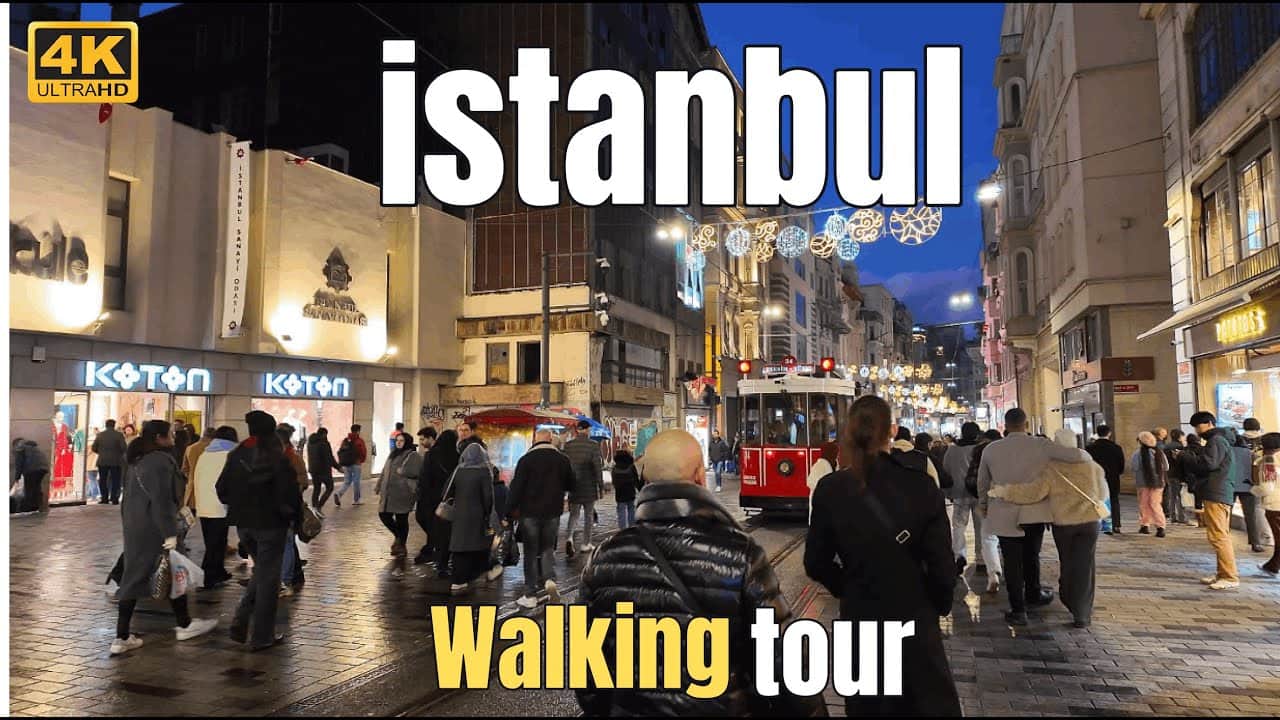
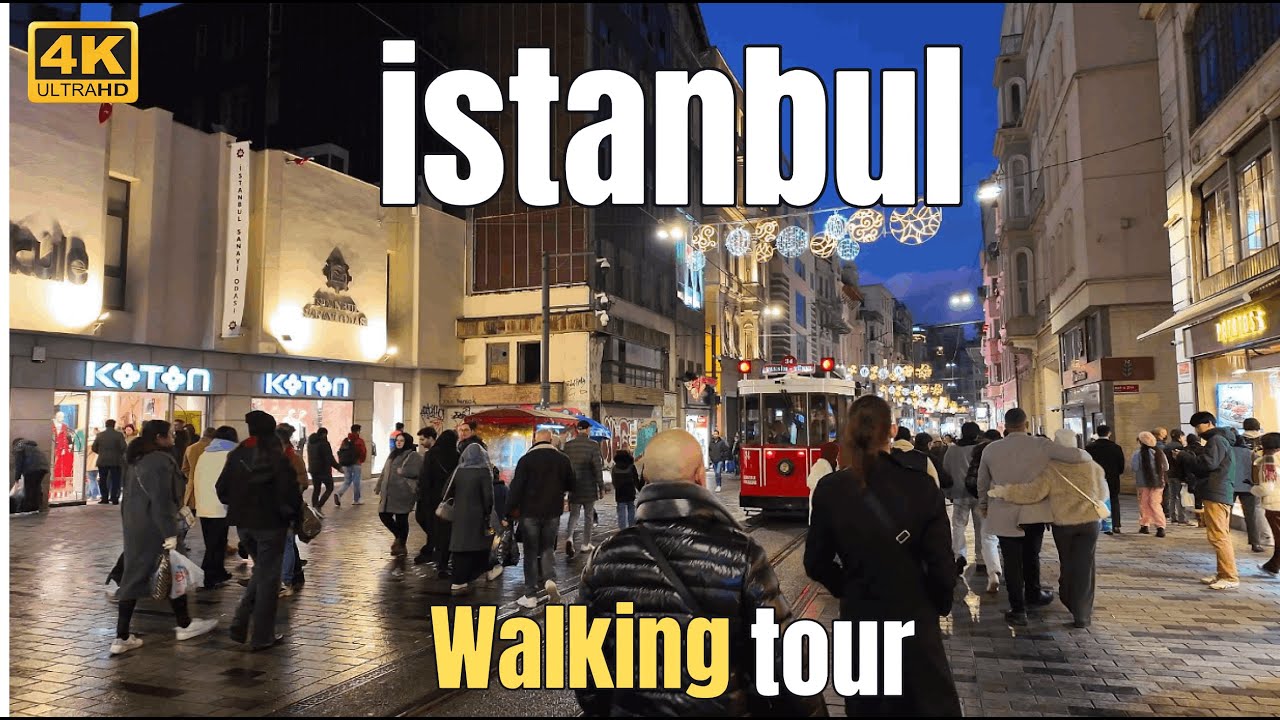
Istanbul Walking Tour 4K - Evening Walk on Istiklal Street & Taksim Square
Watch the 4K walkShort Answer
Turkey receives millions of visitors a year, and travelling the main routes feels much like travelling in southern Europe. The problems visitors actually meet are rarely violent: they are small scams, traffic and natural conditions.
- Everyday crime is low in tourist areas; the real risk is pickpocketing and price games.
- Traffic is the most concrete danger for visitors; do not assume drivers will stop at crossings.
- You are in an earthquake zone, which calls for a little preparation rather than worry.
- Conditions vary near the borders and in the mountains; check your own government's current travel advice before you go.
Everyday safety
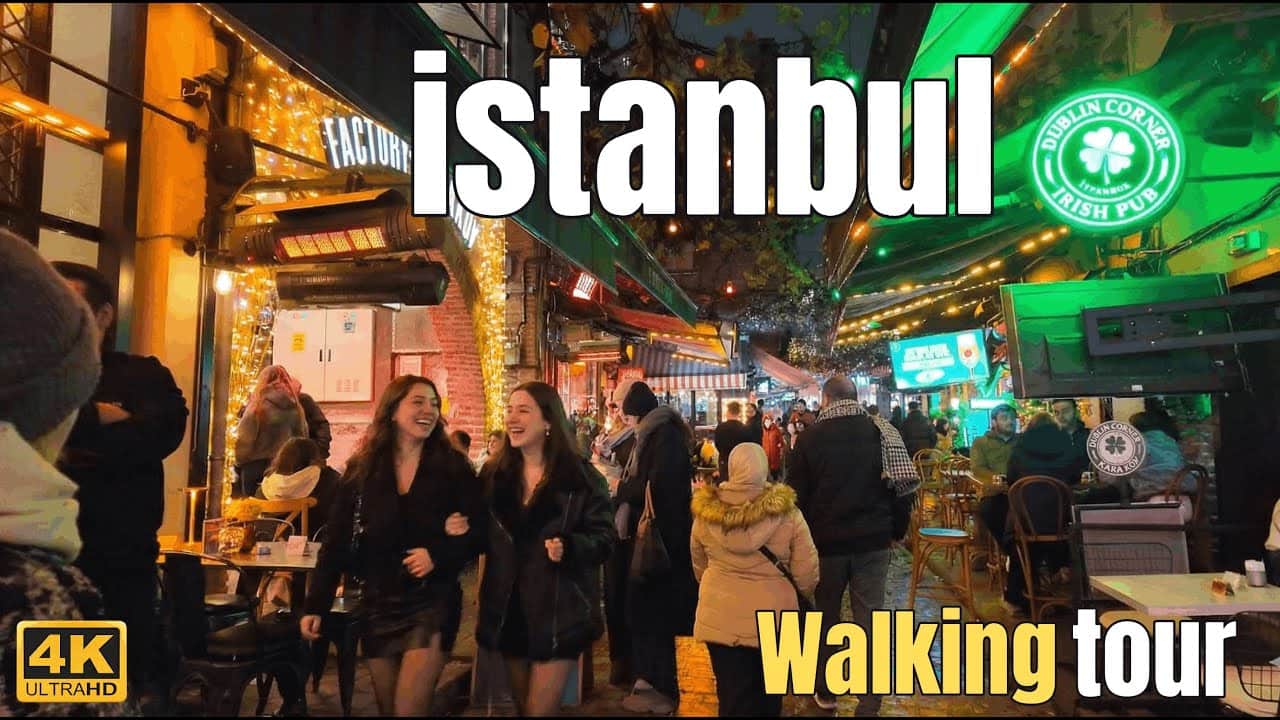
Walking around Istanbul, Izmir, Antalya or Cappadocia during the day and evening is comfortable. Streets stay busy late, families and women are out, shops are open. That street life is itself a safety factor.
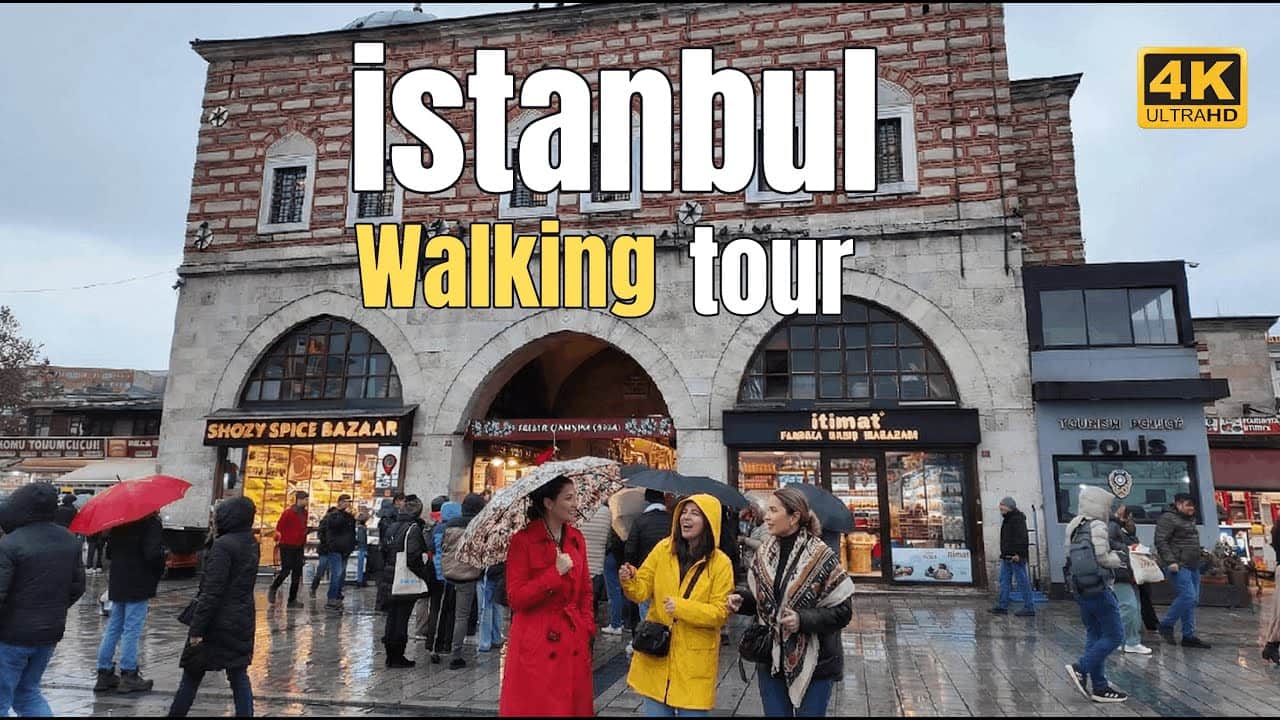
The common problem is theft. In crowded places such as Istiklal Avenue, the tram line, the Grand Bazaar and bus stations, keep your wallet and phone out of your back pocket. Wear bags in front and do not leave a phone on a cafe table.
The second problem is pricing. Most taxi disputes come down to the meter not being switched on, which is solved by ordering through an app or pointing at the meter as you get in. A restaurant with no printed menu can produce a surprising bill, so check prices before ordering.
Traffic and roads
Traffic is the most realistic hazard for visitors. Stopping at pedestrian crossings is not a strong habit, lane discipline is loose, and motorcycles use pavements. Make eye contact before crossing and do not step out until you see the vehicle slowing.
Intercity buses are safe and everywhere. If you drive yourself, avoid mountain roads at night and mountain passes in winter, when closures from snow are routine.
At the sea, follow the flag system. Sudden currents occur on the Mediterranean and Aegean in summer, so do not swim out alone in coves without a lifeguard.
The earthquake question
Turkey sits on active fault lines. That is a reason to prepare, not to worry. The basics are simple: know the exit route where you are staying, keep emergency alerts enabled on your phone, get under a table and protect your head during shaking, and do not run outside until it stops.
Newer buildings follow stricter codes. Asking about the age of a building when choosing accommodation is a reasonable question, not an odd one.
Regional differences and official advice
Turkey is a large country and not uniform. The west, the coasts and the main tourist routes are ordinary tourism territory. For certain areas near the Syrian and Iraqi borders and some mountainous districts, governments issue advisories that change from period to period.
Solo and women travellers
Solo travel is common and workable. Women travellers report no serious issues on the main routes, though in small towns attention and curiosity are more visible. If an approach becomes uncomfortable, a short and firm no is usually enough, and nearby shopkeepers tend to step in.
Basic precautions apply: prefer main streets to empty lanes at night, stay somewhere central, and do not hitchhike.
Health and emergencies
Hospital infrastructure is good in the large cities, and private hospitals are used to foreign patients. Pharmacies are everywhere and there is a duty-pharmacy rota at night. Take out travel health insurance and confirm in advance whether it is accepted at private hospitals.
Tap water quality varies by region and most visitors drink bottled water. The bigger summer risk is heat: shade, a hat and water through the middle of the day should be routine.
Planning FAQ
**Is Turkey safe to visit right now?** For the main tourist routes the general answer is yes, but a question about "right now" depends on timing. Check your government's official advice before you travel.
**Can a woman travel alone?** Yes, and many do. Cities and tourist areas are comfortable; in small towns, covered clothing attracts less attention.
**Are taxis safe?** Generally yes. The issue is fares rather than safety, and ordering through an app or confirming the meter settles it.
**Should earthquake risk change my plans?** It does not need to. Knowing the exit and keeping phone alerts on is adequate preparation.
**Can you drink the tap water?** It varies by region, and most visitors choose bottled water. Ask locally where you are staying.
Planning questions
What does this İstanbul guide cover?
Everyday crime is low on the main routes; the real issues are small scams, traffic and earthquake preparedness. Regional differences, solo travel and where to find current official advice.
Can I watch a 4K walking tour of İstanbul?
Yes. The page links to Travel Walk Tours films so you can preview the İstanbul route on a big screen before you go.
How should I use this page to plan?
Read the quick answer first, skim the route notes, then compare street texture, timing, and nearby guides through the linked city page and walking films.