Turkey has no general dress code; the rules apply inside mosques and, loosely, in small conservative towns. Mosque etiquette, beaches, regional differences and what to pack by season.
Walk this route
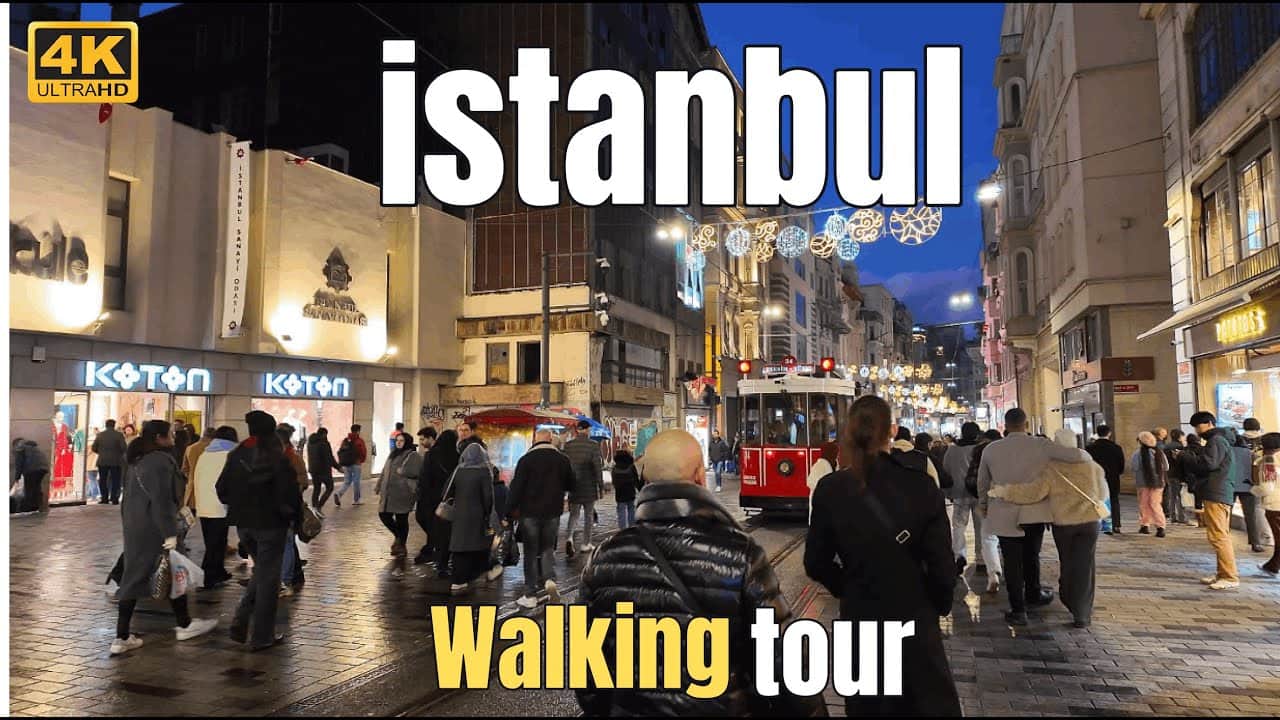
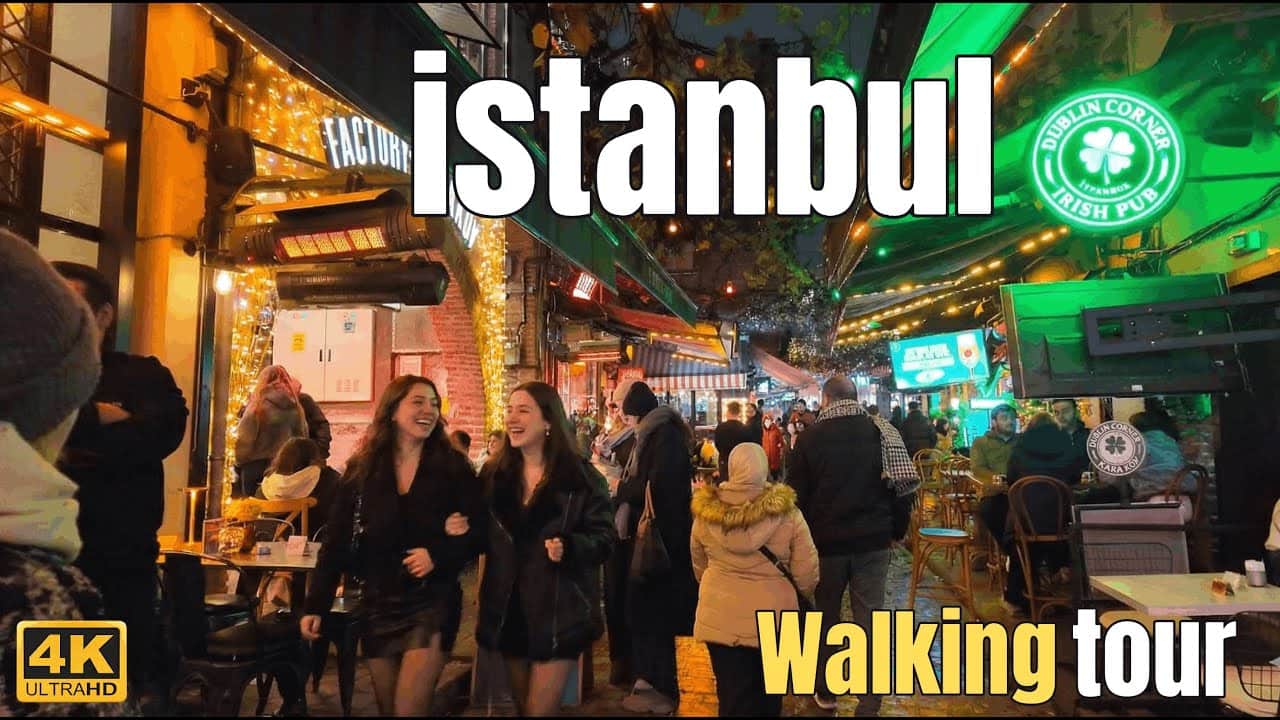
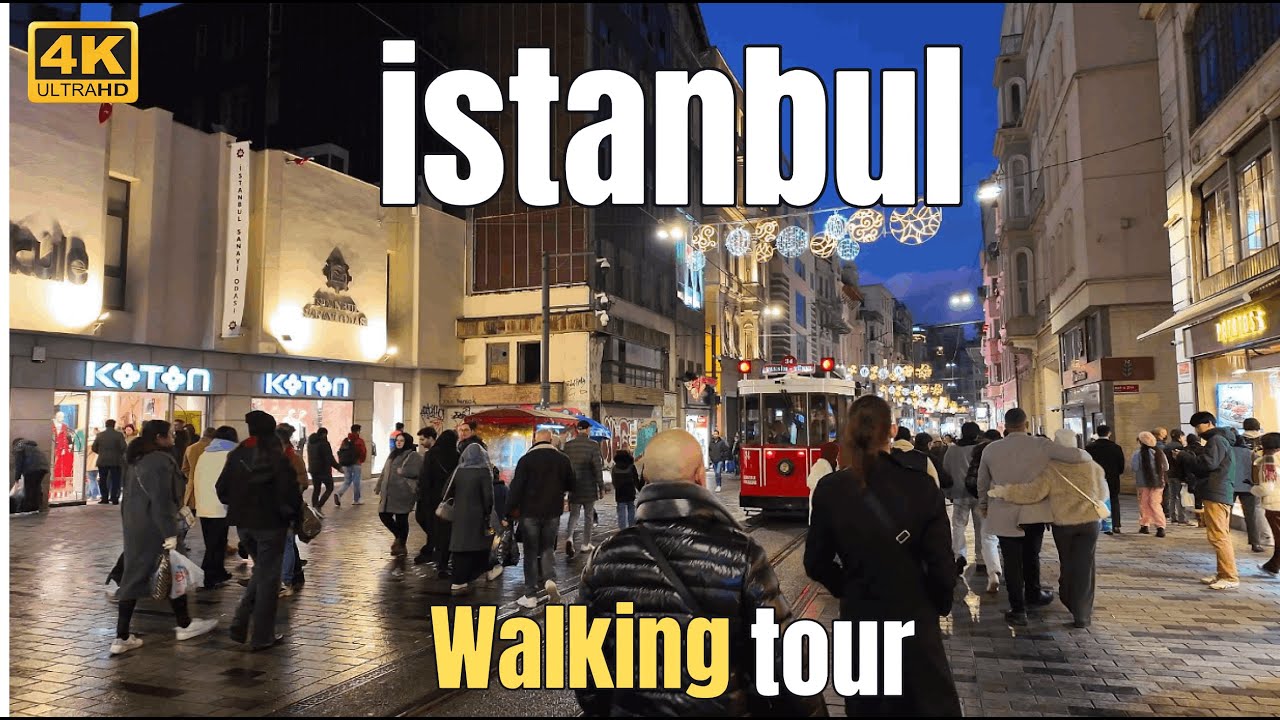
Istanbul Walking Tour 4K - Evening Walk on Istiklal Street & Taksim Square
Watch the 4K walkShort Answer
Turkey has no general dress code. In the big cities and along the coast people dress much as they do in Europe. The rules only apply inside places of worship and, more loosely, in small conservative towns.
- Mosque visits: shoulders and knees covered for everyone, a headscarf for women, shoes off at the door.
- Cities and beaches: anything goes. Swimwear belongs on the beach and by the pool, not in the shops.
- In small towns in the east and interior, covering up a little draws less attention.
- Season matters more than modesty: coastal summers are fierce, inland winters are snowy.
What a mosque visit requires
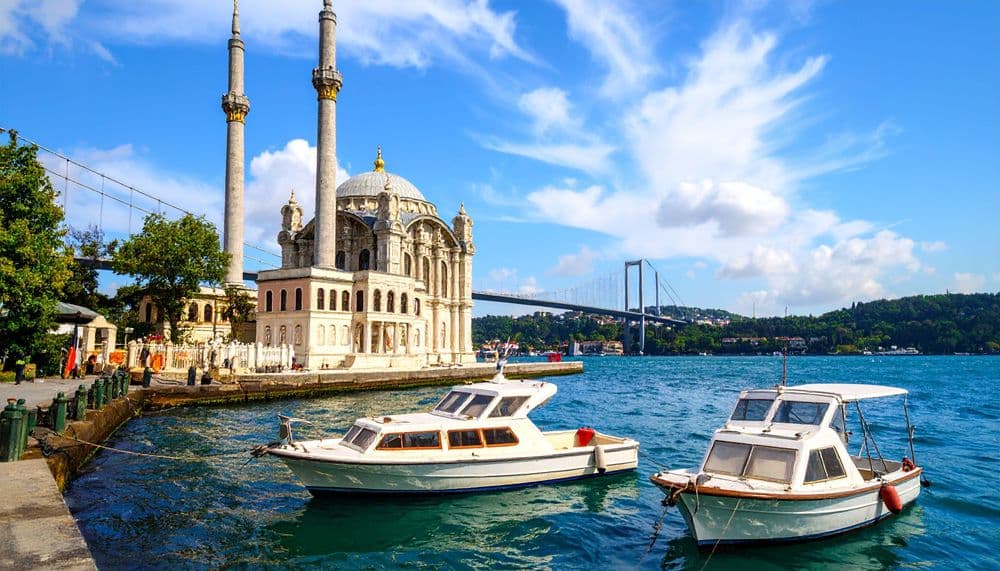
Most large mosques in Turkey are open to visitors and entry is normally free. The expected behaviour is the same everywhere.
The dress rule is simple: shoulders and knees covered. For men that means trousers rather than shorts; a short-sleeved shirt is fine. Women need the same plus a scarf covering the hair. Mosques on the tourist route keep shawls and wrap skirts at the entrance, so you do not have to bring your own, though a thin scarf in your bag makes life easier.
Shoes come off at the door. There are usually racks or plastic bags, and in busy mosques it is simpler to carry your shoes with you. You walk in socks, so bear that in mind if you are travelling in sandals.
Inside, quiet is the point. Not walking in front of someone praying, keeping your distance from anyone prostrating, and photographing the building rather than the people are all treated as basic courtesy.
Dressing in cities and on the coast
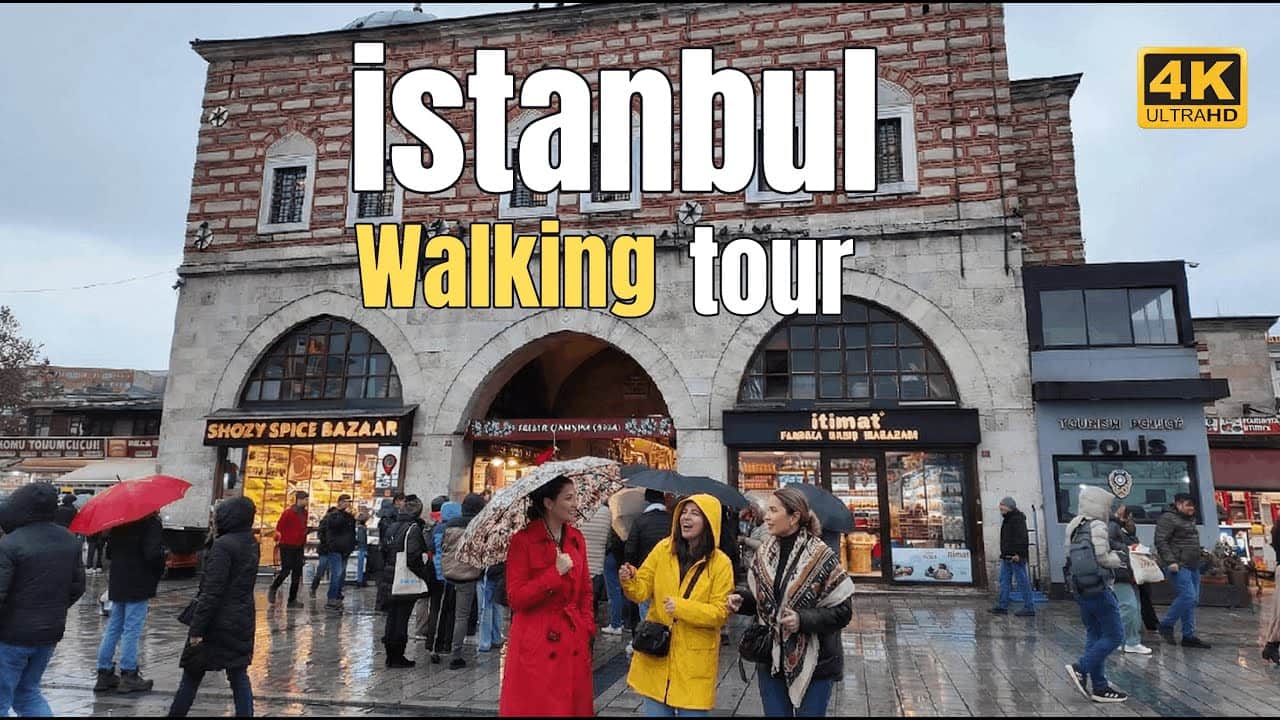
In Istanbul, Izmir, Ankara and Antalya you will see every style on the street and nobody pays attention. Shorts, sleeveless tops and dresses are entirely normal in summer, and the same is true in coastal towns.
The one common misstep is wearing swimwear into town. Beach and pool clothing stays there; people put something on before heading to a restaurant, a shop or the street. It is not a prohibition, just local habit.
Footwear matters more than clothing. Most of what you have come to see is stone: the cobbles of Istanbul, the sloping lanes of Mardin, the uneven ground of ancient cities and the tuff paths of Cappadocia. Smooth soles do badly on all of them.
Regional differences
The country is not uniform. The Aegean and Mediterranean coasts and the large cities are relaxed. In smaller districts of the southeast and eastern Anatolia, and in villages inland from the Black Sea, everyday dress is more covered. Nobody will comment on what you wear, but covering shoulders and knees means less attention and more mutual ease.
During Ramadan, daily life in the big cities carries on and restaurants stay open. In conservative districts, eating and drinking openly during daylight can feel out of place, while at the evening meal the mood lifts everywhere and hospitality tends to increase.
What to pack by season
Coastal summers are harsh: July and August middays are not for sightseeing, so a hat, sunglasses and water are part of the routine. Central Anatolia is dry in summer but cools noticeably after dark, so a light layer is essential.
Winter is mild and wet on the coast and genuinely hard inland and in the east. Cappadocia, Erzurum, Kars and Van sit under snow; if you are heading there you need a winter coat, a hat and boots with grip.
Spring and autumn are the easiest seasons to both travel and pack for: light during the day, one warm layer for the evening.
Planning FAQ
**Do women have to wear a headscarf in Turkey?** No. There is no requirement on the street, in restaurants or on the beach. A scarf is only expected inside a mosque, and one is provided at the entrance.
**Can you enter a mosque in shorts?** No, and that applies to men too. Cover-ups are handed out at the door of the larger mosques, but wearing trousers is more comfortable.
**Is a bikini acceptable on the beach?** Yes, it is completely normal in coastal areas. Topless sunbathing is not common and is not welcome in most places.
**Should I dress differently in the eastern provinces?** It is not required, but covering shoulders and knees makes small towns more comfortable. What you would meet is curiosity rather than disapproval.
**Is there an entry fee for mosques?** Working mosques are generally free to enter. Buildings with museum status, and arrangements that change from period to period, may carry a fee, so check the current situation officially.
Planning questions
What does this İstanbul guide cover?
Turkey has no general dress code; the rules apply inside mosques and, loosely, in small conservative towns. Mosque etiquette, beaches, regional differences and what to pack by season.
Can I watch a 4K walking tour of İstanbul?
Yes. The page links to Travel Walk Tours films so you can preview the İstanbul route on a big screen before you go.
How should I use this page to plan?
Read the quick answer first, skim the route notes, then compare street texture, timing, and nearby guides through the linked city page and walking films.