You can reach everywhere without a car. The domestic flight network, the bus system that covers every district, the short but good high-speed rail corridors, ferries and the dolmus.
Walk this route
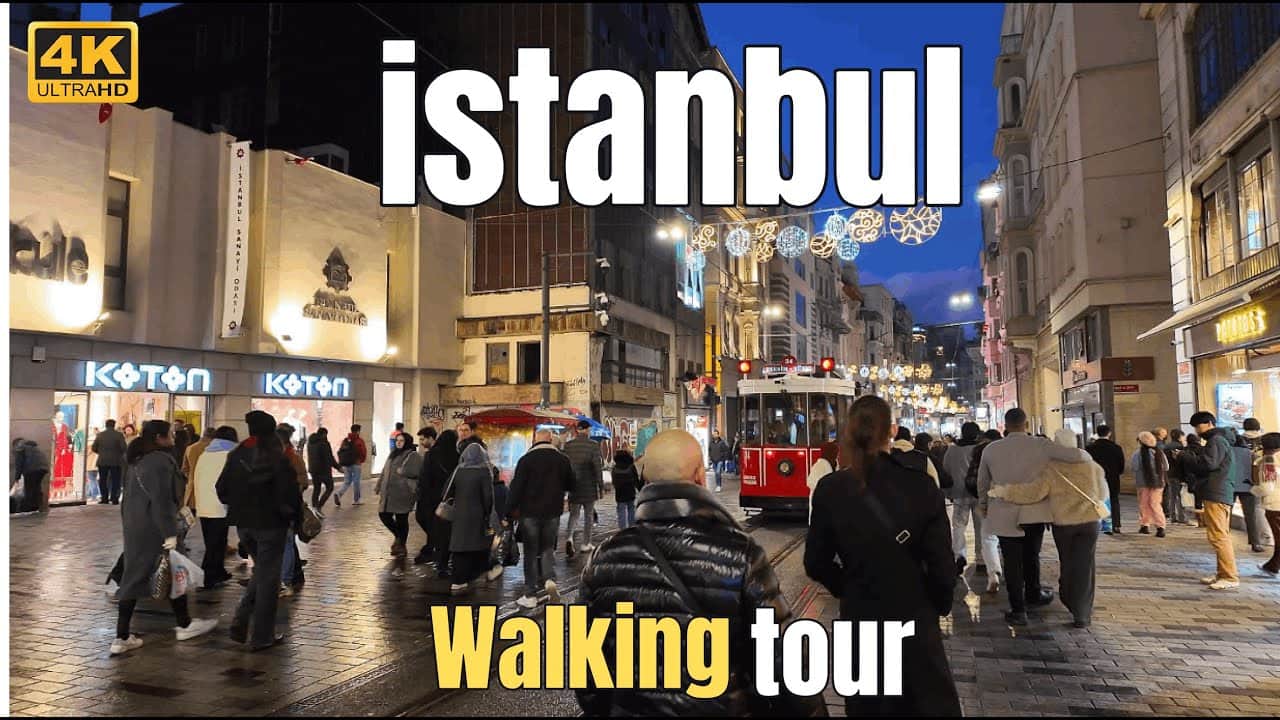
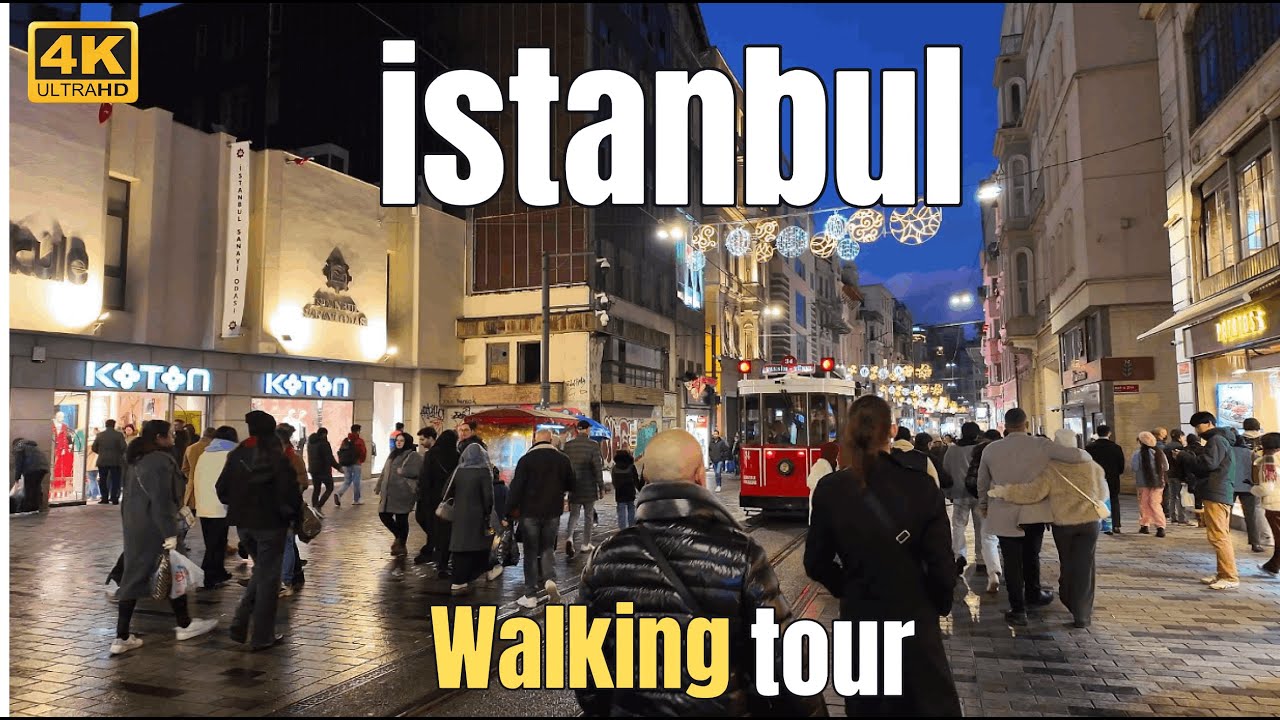
Istanbul Walking Tour 4K - Evening Walk on Istiklal Street & Taksim Square
Watch the 4K walkShort Answer
Turkey is a big country and the distances between cities are longer than the map makes them look. The good news is that you can reach everywhere without renting a car, because the domestic flight network is wide and buses go absolutely everywhere.
- Flying is almost always right for anything over about 500 km.
- Buses are the most common and the most flexible option, and they reach small towns too.
- High-speed rail exists on a few corridors only, but where it exists it beats the bus for both speed and comfort.
- Bus stations usually sit outside the centre, so factor that into your arrival time.
Flying, for the long hops
The domestic network is dense. Istanbul, Ankara and Izmir connect to nearly every provincial capital, and many routes fly direct as well. Going east from Istanbul is a full day by road and about two hours in the air.
The thing to watch is which airport. Istanbul has two, and picking the wrong one hands back the time you saved; the detail is in how to get from the Istanbul airports to the city. Many provincial airports also sit well outside town, so add that leg to your calculation.
Baggage rules vary sharply between carriers. A cheap-looking fare may carry no hold luggage, and adding it usually closes the gap.
Buses, the network that reaches everything
The bus in Turkey is less a mode of transport than an institution. Almost every district town has a station and several daily services to the nearest cities. Coaches are generally modern, seats are wide, refreshments come round and the driver stops for breaks.
Overnight buses are a normal choice: no daylight lost and no hotel bill. The cost is arriving tired, which on a short trip can be an expensive trade.
You pick your seat when booking. Seating arrangements for women travelling alone are standard practice rather than something you have to request.
Trains, limited but good
The high-speed network covers a handful of corridors. From Ankara there are fast services towards Istanbul, Eskisehir, Konya and Sivas. On those lines the train beats the bus for speed and the plane for hassle: stations are in town, security queues are short, and luggage is not a negotiation.
Off those corridors, conventional trains are slow. Some of them are taken for the view rather than the timetable, and the Ankara to Kars line has become a trip in its own right because of the snowbound plateaus it crosses in winter.
Tickets go on sale a set period ahead and popular services sell out quickly. If your dates are fixed, book early.
Ferries
Around the Sea of Marmara, going by water is a genuine shortcut. Fast ferries between Istanbul and the Bursa side save real time against the road. In the Aegean there are scheduled crossings to islands and some coastal points, running more often in summer and thinning out in winter.
Timetables shift with the season and the weather. If a crossing is the backbone of your plan, confirm current times from the official source.
Dolmus and minibuses
Local and short-hop travel runs on the dolmus: minibuses that follow a fixed route and leave when full. Stops are not always marked, you flag them down, and you say out loud when you want to get off.
Along the tourist coast, most travel between beaches and villages happens this way. It is cheap and frequent, but the timetable is informal and services thin out in the evening.
When you actually need a car
You do not need one for city centres or the main tourist hubs. It changes things on the Lycian coast, in the Black Sea highlands and around scattered ancient sites where public transport is thin. Do you need a car in Turkey works through that decision.
For shaping the route, see how many days in Turkey, and for timing, the best time to visit.
Planning FAQ
**Bus or plane?** Roughly five hours of road is the dividing line. Under that the bus is reasonable; over it, flying wins even after transfers.
**Are overnight buses worth it?** On long hauls, yes, but do not schedule a demanding day after one. On a short holiday, losing a day to tiredness is costly.
**Is the rail network any good?** Good on the high-speed corridors, slow elsewhere. Around Ankara the train is often the first choice; elsewhere bus or plane is more practical.
**Do I need to book ahead?** Usually not for buses, though public holidays and weekends fill up. For trains and flights, booking early is noticeably cheaper.
**Can I travel Turkey without a car?** Yes. Cities and the main tourist centres are entirely doable on public transport. A car only changes things on rural and scattered routes.
Planning questions
What does this İstanbul guide cover?
You can reach everywhere without a car. The domestic flight network, the bus system that covers every district, the short but good high-speed rail corridors, ferries and the dolmus.
Can I watch a 4K walking tour of İstanbul?
Yes. The page links to Travel Walk Tours films so you can preview the İstanbul route on a big screen before you go.
How should I use this page to plan?
Read the quick answer first, skim the route notes, then compare street texture, timing, and nearby guides through the linked city page and walking films.