Tipping is expected but not compulsory, and bargaining only belongs in certain places. Where cards work, where cash is needed, and how to dodge the currency conversion trap.
Walk this route
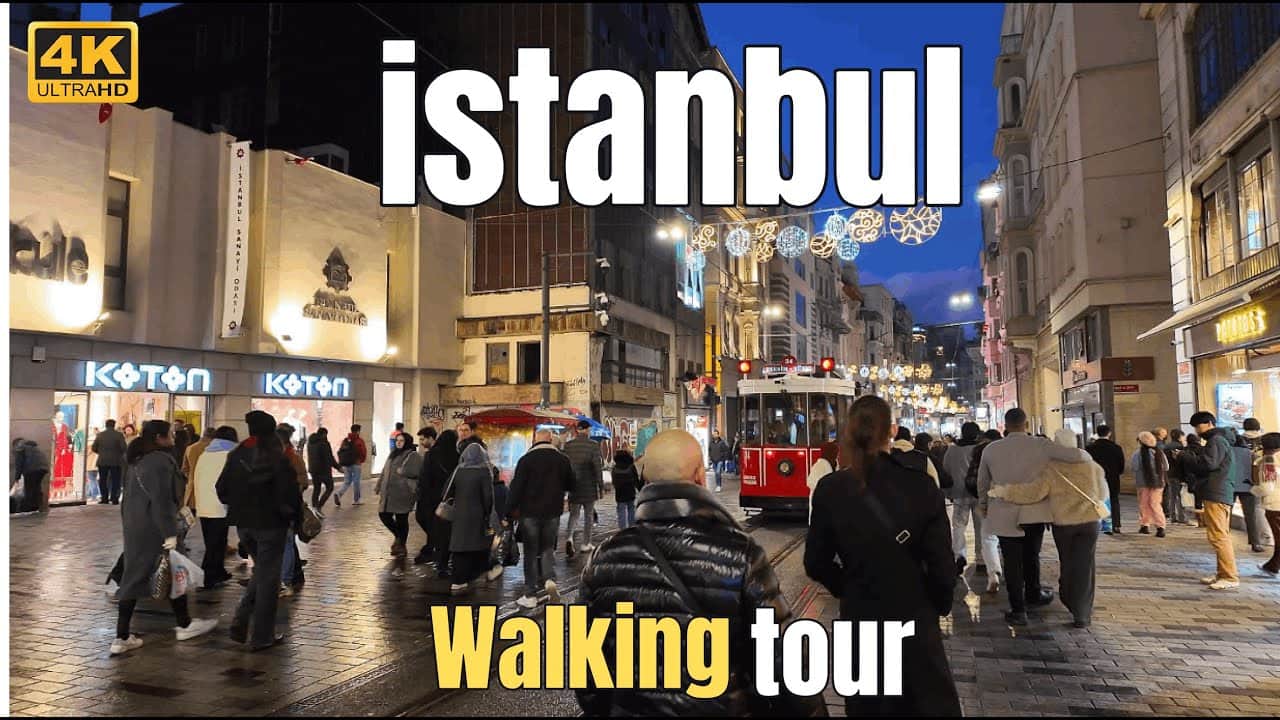
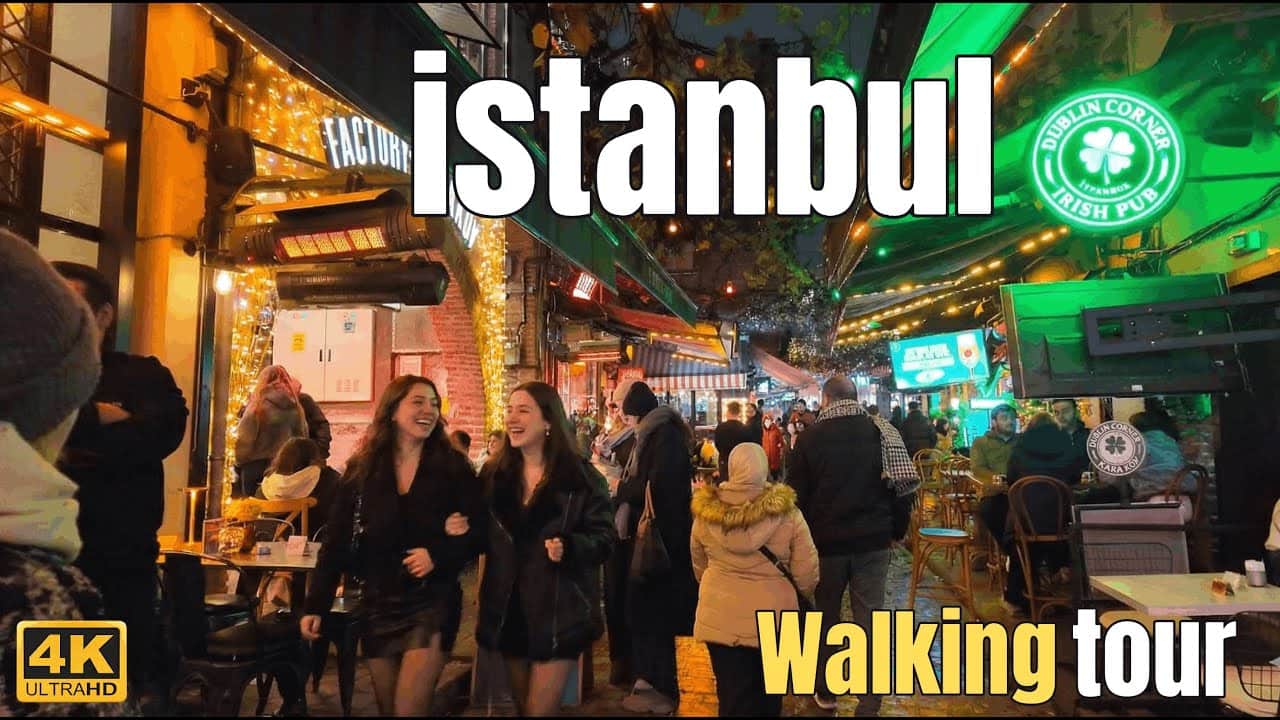
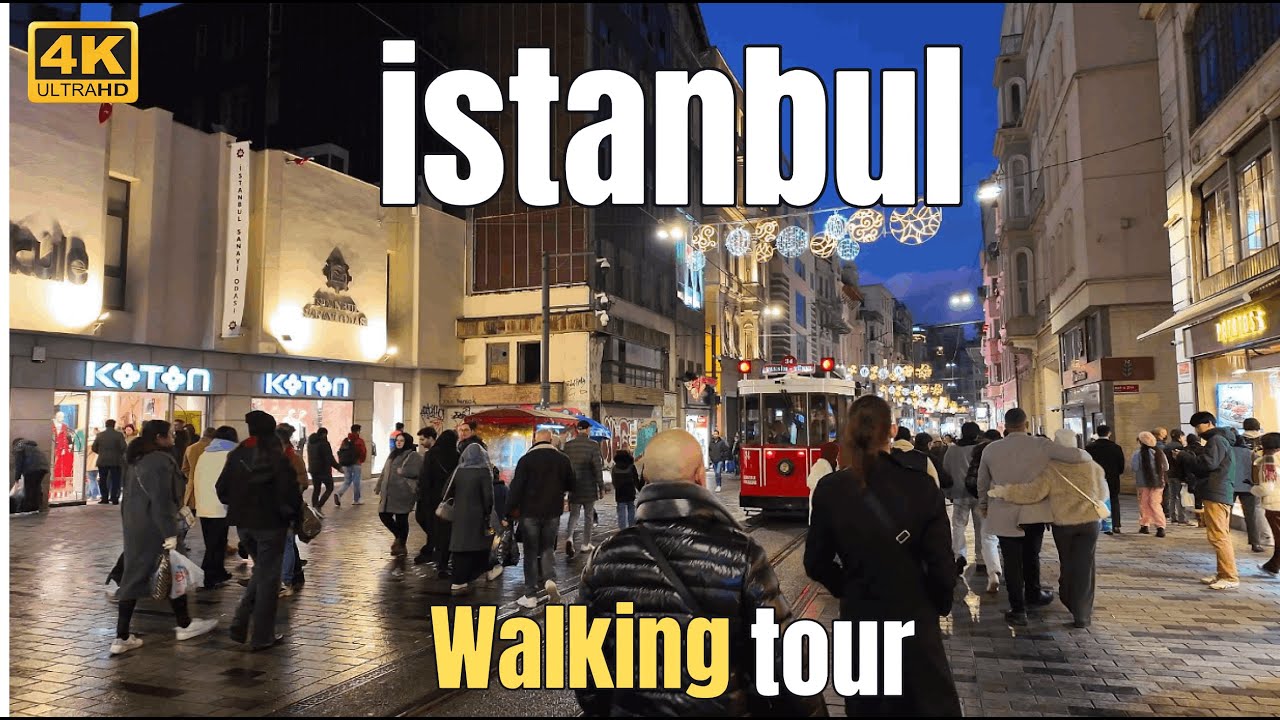
Istanbul Walking Tour 4K - Evening Walk on Istiklal Street & Taksim Square
Watch the 4K walkShort Answer
Tipping in Turkey is expected but not compulsory, and bargaining only applies in particular places. Confusing the two is the classic mistake: haggling in a shop with price tags reads as rude, while not haggling over an unpriced carpet in a covered bazaar simply costs you money.
- Around ten percent is normal in a sit-down restaurant, and you need not add more if a service charge already appears on the bill.
- For taxis and similar services, rounding up is enough.
- Bargaining belongs in covered bazaars, carpet shops and souvenir stalls, not in supermarkets, chains or anywhere with a printed price.
- Cards work almost everywhere, but small traders and minibuses need cash.
Tipping: where and how much
For a meal eaten sitting down, something near ten percent is the normal gesture. If the bill carries a "service charge" line, you are not expected to add on top of it. Nobody tips at a counter, a snack stand or a self-service place.
In hotels, small amounts for housekeeping and for anyone who carries your bags are common. Taxi drivers are not usually tipped properly, just rounded up. On guided tours it is standard to tip the guide and the driver separately at the end of the day.
Cash is better received than adding it to the card, because there is no guarantee the card amount reaches the person who served you.
Bargaining: where it works and where it does not
Haggling is not a universal rule in Turkey. Anywhere with a marked price, which means supermarkets, chain stores, cafes and restaurants, the price is the price, and trying to negotiate makes the other person uncomfortable.
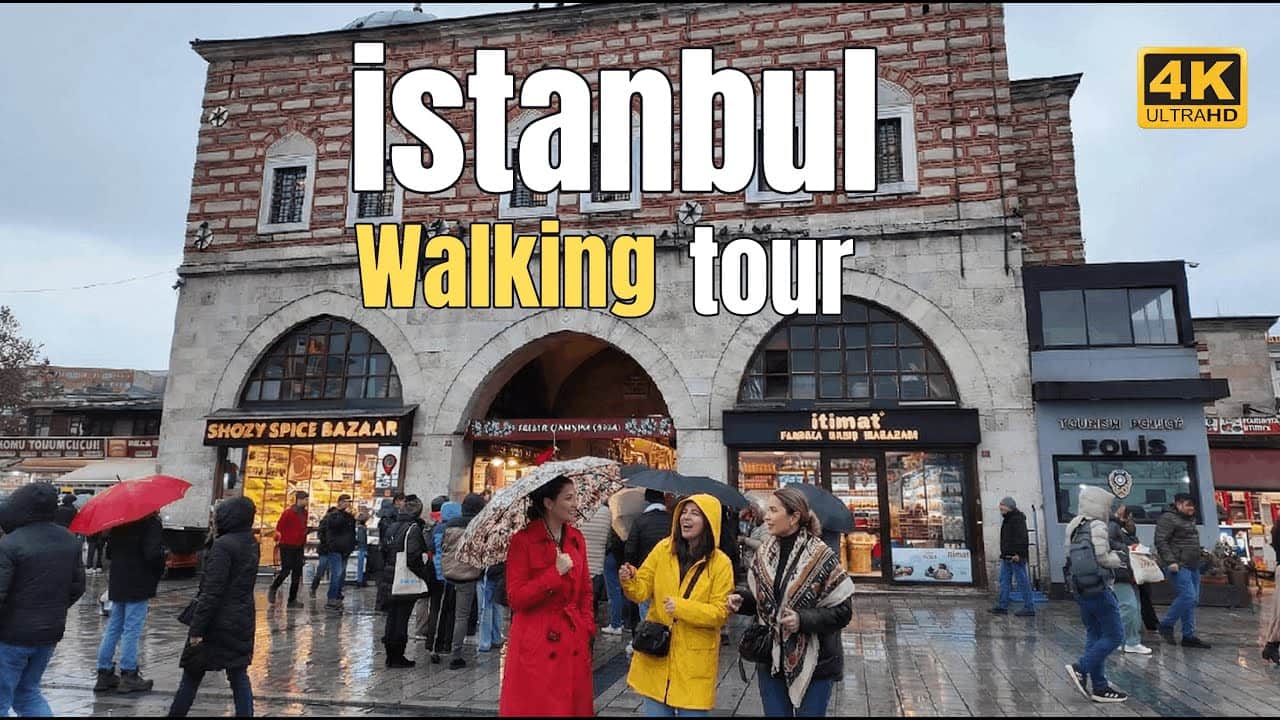
The places where it genuinely works are specific: covered bazaars and similar tourist markets, carpet and kilim dealers, antique shops, souvenir stalls, and sometimes privately arranged transfers outside a hotel. In those places, the first number said out loud is usually an opening position.
The style is conversational rather than confrontational. Being offered tea does not commit you to buying anything; it is politeness. Thanking someone and walking out empty-handed is completely normal.
Cash or card
Cards are widely accepted: restaurants, supermarkets, petrol stations, hotels and larger shops are no problem, and contactless is standard.
Cash still matters in specific places: dolmus minibuses, village tea houses, market stalls, some taxis and small rural businesses. Keep some on you. Paying for something small with a large note also causes friction, so hoard your coins and small notes.
Withdrawing money
ATMs are everywhere and take foreign cards. When the screen offers to "convert" the amount for you, decline and take the lira. Some machines add their own fee, so trying a couple of different banks can be worth it.
If you are changing cash, rates at exchange offices in the city centre are generally better. Rates move daily, so we do not quote numbers here. Check the current rate before you hand anything over, and ask whether a commission applies.
An honest note about prices
Prices in Turkey have moved fast in recent years. A figure you see in a blog post or a forum thread can be meaningless within months. That is why you will not find amounts here for museum entry, meals or transport.
Think in ratios rather than fixed numbers. City centres cost more than rural areas, the tourist coast rises through the summer, and the same dish is priced differently on a tourist square and two streets away. Asking the price before ordering in a place with no printed menu is a sensible habit.
Related reading
For the common scams and general safety questions, see is Turkey safe for travel. Where cash is needed on the road is covered in getting around Turkey, and dress expectations in mosques and bazaars in what to wear in Turkey.
Planning FAQ
**How much do I tip in a restaurant?** About ten percent is normal. If a service charge is already on the bill, you do not need to add more.
**Can I bargain everywhere?** No. Not where prices are printed. Yes in bazaars and with carpet and souvenir sellers.
**Do I need to carry cash?** Some. Minibuses, small traders and rural areas need it; everything else runs on cards.
**Should I accept currency conversion at the card machine?** No. Choose Turkish lira. Paying in your own currency gives you a worse rate.
**Where should I change money?** Only a small amount at the airport for your first day, the rest at exchange offices in town, where the difference is noticeable.
Planning questions
What does this İstanbul guide cover?
Tipping is expected but not compulsory, and bargaining only belongs in certain places. Where cards work, where cash is needed, and how to dodge the currency conversion trap.
Can I watch a 4K walking tour of İstanbul?
Yes. The page links to Travel Walk Tours films so you can preview the İstanbul route on a big screen before you go.
How should I use this page to plan?
Read the quick answer first, skim the route notes, then compare street texture, timing, and nearby guides through the linked city page and walking films.