A walkable Bosphorus guide from Bebek bay and the Arnavutkoy mansions to Asiyan Museum and Rumeli Fortress.
Walk this route
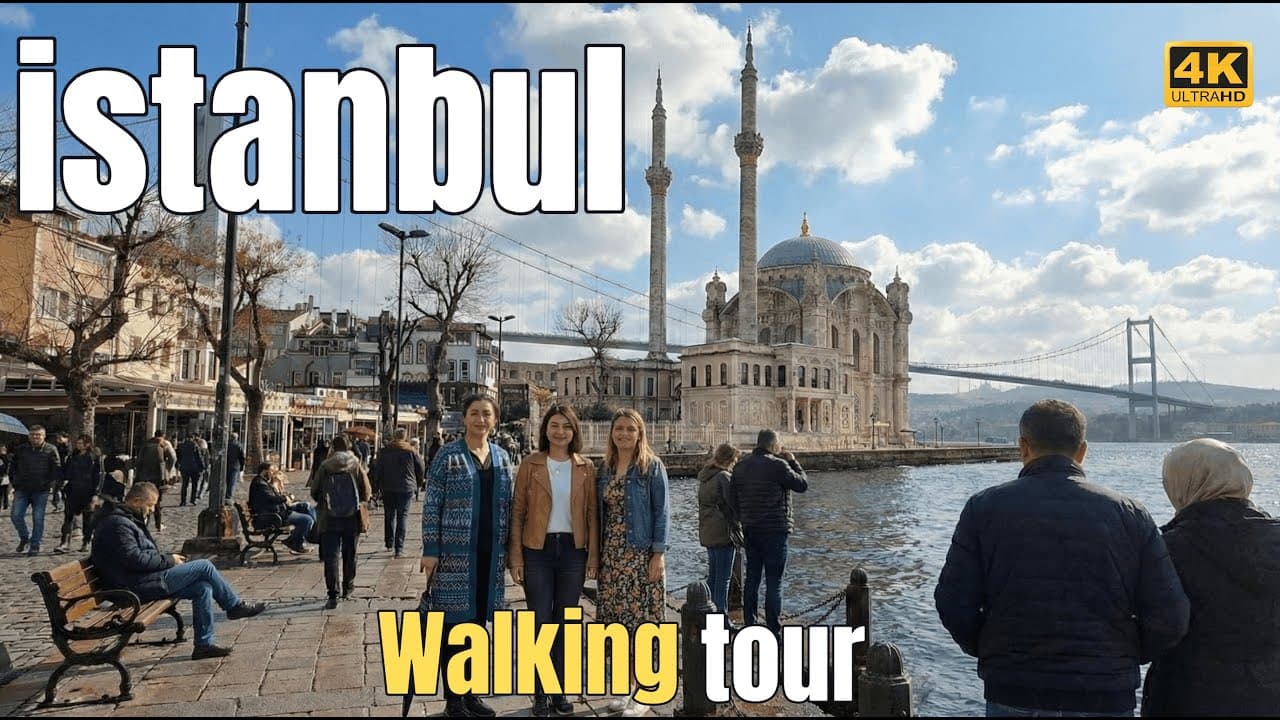
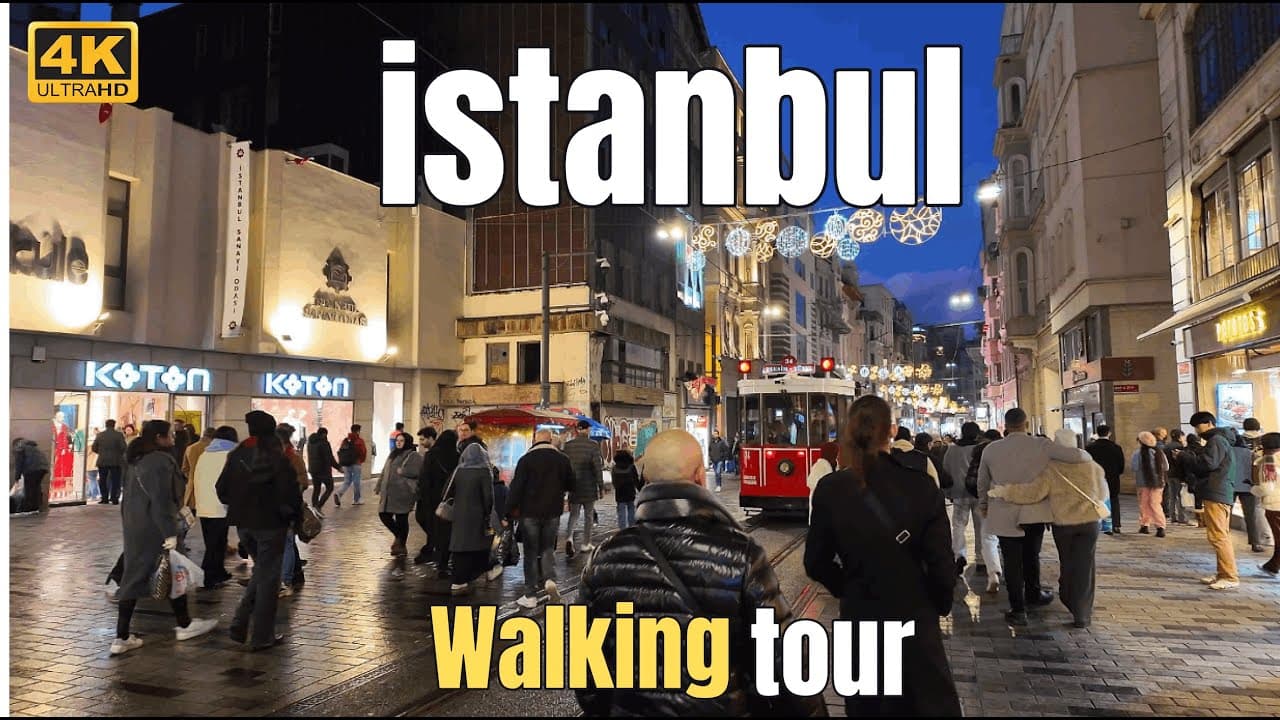
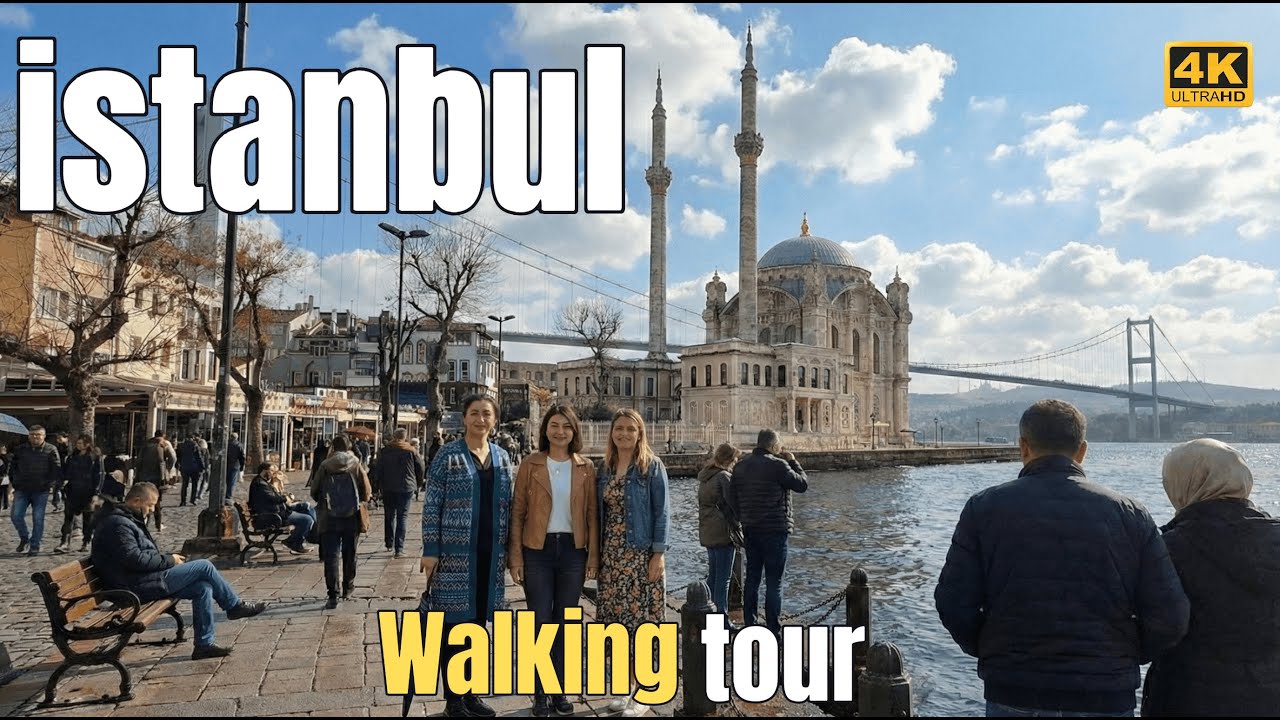
Istanbul Walking Tour 4K – From Beşiktaş to Ortaköy Along the Bosphorus Waterfront
Watch the 4K walkPlaces on the map
8 pinsNumbers match the order in the article. Tap a pin for directions.
A day in Bebek: the most sheltered bay on the Bosphorus
Bebek sits on the European shore of the Bosphorus, between Arnavutkoy and Rumeli Fortress. It occupies the most sheltered bay on the whole strait; the current and the wind mostly stay out of the cove, which is why boats have anchored here for centuries. It is also one of the wealthiest addresses in Istanbul, a run of waterfront mansions, consulate buildings and shore cafes.
The good news is that the best of it costs nothing. A park on the water, a working pier, a small mosque, flat shore walks in two directions and a university campus on the slope fill a day comfortably. Watch the water, buy some marzipan, walk.
The most common mistake is driving in at noon on a Sunday and expecting both a parking spot and a quiet coffee. You will get neither. Parking is hopeless, the shore road jams, and the cafes run queues. Come by bus or on foot, early in the morning or toward sunset. This guide covers the neighbourhood in eight stops, all within walking distance of each other.
Quick answer
Bebek is a Bosphorus bay neighbourhood where you sit around the park and pier, then walk the shore in either direction. Take a shore bus from Besiktas or Kabatas instead of driving; the best hours are weekday mornings or near sunset. Half a day covers the centre, a full day with the fortress walk.
- Free: the park, the shore, the pier area, both walking routes.
- The classic ritual: a box of marzipan from the century-old shop.
- Worst time: Sunday noon in good weather.
1. Bebek park and shore
Bebek park works as the neighbourhood's living room. It stretches along the water side of the shore road, under plane trees, with benches and lawns facing straight onto the bay. Dog walkers and runners take the mornings, families the afternoons, and by early evening it belongs to people holding a coffee and watching the water.
What makes the park special is simple: it gives you a completely free front-row seat in one of the most expensive corners of the Bosphorus. You do not have to sit in a cafe. Claim a bench and watch the opposite shore, the Fatih Sultan Mehmet Bridge and the boats riding at anchor. There is a playground too, which makes it an easy stop with kids.
On fine weekends the park fills and benches become a matter of luck. For the calm version, come on a weekday morning. Both shore walks start from the ends of the park, so this is the natural starting point.
2. The Bebek pier and mosque
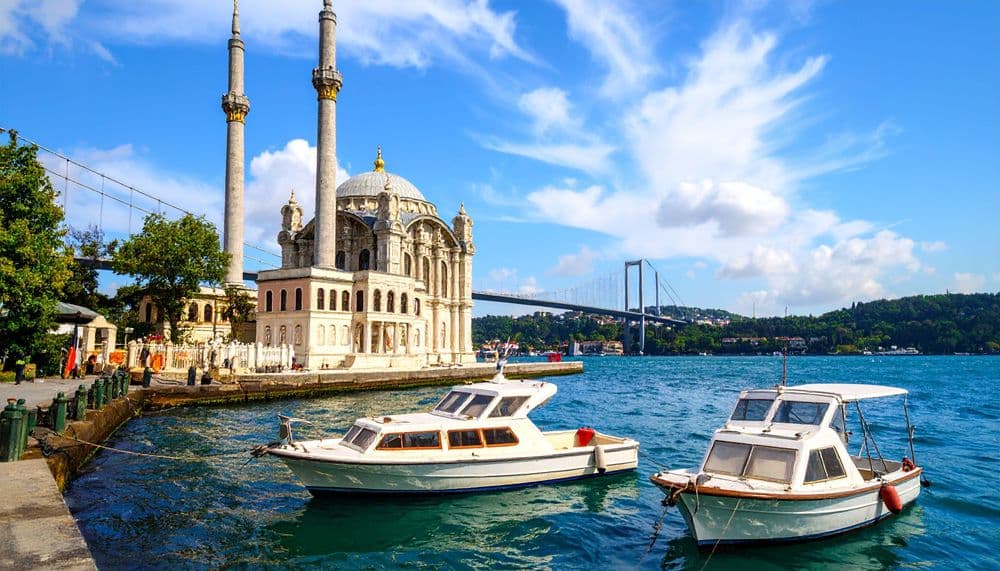
Right next to the park stand the Bebek ferry pier and the small Bebek Mosque. The mosque dates from 1913, the work of the architect Kemaleddin: cut stone, a single dome, more a graceful waterside pavilion than the monumental mosques elsewhere on the strait. Seen from the water, the pier, the mosque and the slope behind fit into one frame, the most photographed image of the neighbourhood.
The pier is still in service; Bosphorus-line ferries call at set times. The timetable is thin, so do not build your transport around it, but if a sailing lines up, arriving in Bebek by sea is the best possible entrance.
The mosque is a working one, and you can look inside quietly outside prayer times. Dress modestly, shoulders and knees covered. The railings around the pier are a good spot to watch the anglers and the gulls run their morning shift.
3. The Bebek breakfast places and marzipan
Ask an Istanbul local about Bebek and two things come up: breakfast and marzipan. The breakfast houses along the shore fill up on weekends with people ordering the spread-style Turkish breakfast; for a table by the water, come early or book. Prices sit well above the city average, so read the menu before sitting down. I am not quoting figures because they change too often to be useful.
The marzipan is the true classic. The historic almond-paste shop on the main street has been doing one thing for more than a century, and picking up a box from the small counter has been a ritual for generations of Istanbul families. Pistachio paste and hard candies share the shelves, and the boxes travel well as gifts.
On a budget, the formula is easy: buy something from a bakery or a snack kiosk, eat it in the park, and let the marzipan be dessert. The view is the same either way.
4. Bebek bay and the boats
Bebek bay is the closest thing the Bosphorus has to a natural harbour. Along a shoreline battered by current and southerly wind, this one indentation stays calm, which is why dozens of boats, from sailing yachts to old wooden craft, moor here. The boats swinging on the water, the mansions behind them and the slope above make up the neighbourhood's postcard, visible from anywhere in the park.
The bay is best enjoyed from the shore. Early in the morning, when the water is still, the boats barely move; toward evening the low sun turns the surface copper. Those are the two hours worth planning photographs around.
You do not need a boat to get the benefit. Walk the edge, watch the anglers pulling in horse mackerel, wait for a passing tanker's wake to slap the quay. A wide railed pavement runs the length of the bay, dead flat. Swimming is out: the strait carries ship traffic and strong currents, so the water is for looking at.
5. The shore walk toward Arnavutkoy
Turn south from the park, toward Arnavutkoy, and you are on one of the best-loved walking stretches on the Bosphorus. The path is flat, the sea stays on your left the whole way, and across the water rise the hills of Kandilli and the mansions of the Asian shore. A steady twenty-five minutes brings you to the bay-windowed wooden houses of Arnavutkoy.
This stretch is at its best at sunset. With the sun dropping behind you, the far shore goes gold, then pink, and the benches along the way fill with people watching it happen. Because the ground is level and unobstructed, it works fine with a stroller or a wheelchair.
Arnavutkoy itself has a different feel, fish restaurants and narrowing lanes, and you can eat there and catch a bus back. On weekend afternoons the path gets busy, runners and walkers sharing one strip. For quiet, mornings win.
6. The Bogazici University south campus
On the slope above Bebek stands the south campus of Bogazici University, one of the best-known universities in Turkey. This is the old Robert College grounds, founded in 1863; its stone halls, tree-lined paths and central lawn are among the oldest examples of American campus architecture in Istanbul. The view over the Bosphorus from the terrace is one of the finest in the city.
One important caveat: this is a working university, not a public park. The gate policy changes from period to period; sometimes visitors can enter with ID, sometimes only students and staff are admitted. Check the university's current announcements before you go, so you are not turned away at the gate.
Even if you cannot get in, the road climbing to the lower gate and the streets around it are a good detour for seeing how Bebek behaves on its hillside. The climb is steep, so wear comfortable shoes.
7. The Asiyan Museum
On the slope between Bebek and Rumeli Fortress sits Asiyan, the house of the poet Tevfik Fikret. Fikret built it in 1906 to his own design and lived there until his death in 1915; it has been a museum since 1945. Inside are the poet's belongings, manuscripts and traces of the literary circle of his era. Asiyan means bird's nest in Persian, and one look at the house perched on the hillside tells you the name was earned.
You reach it by a short but steep climb from the shore. The reward is the Bosphorus view that opens from the garden and the windows. The museum is small; half an hour satisfies most visitors, and it is rarely crowded, so you can wander in peace.
Opening days and entry conditions can change, so confirm the current details before setting out. If you care about literature, or want a meaningful pause on the fortress walk, this is the quietest stop on the route.
8. The walk toward Rumeli Fortress
Turn north from the park and the road carries you to Rumeli Fortress. This stretch is flat too and runs along the water; after about twenty minutes the walls of the castle Sultan Mehmed II built in 1452, at the narrowest point of the Bosphorus, rise ahead of you. Even from the shore the towers justify the walk, with the line of the Fatih Sultan Mehmet Bridge overhead.
The walk itself is half the outing. Anglers on your right, old houses climbing the fortress slope on your left; in late-afternoon light this stretch matches the Arnavutkoy direction for beauty. The lane up to the Asiyan Museum branches off this road, so the two combine naturally.
If you go inside the fortress, take care: the stone stairs are steep, the wall tops are uneven, and the railings are weak in places. Wear non-slip shoes and keep children close. Open days and hours change, so verify before you go.
Getting there
The short answer: bus or on foot. Shore buses from Besiktas and Kabatas follow the Bosphorus and stop at Arnavutkoy, Bebek and Rumeli Hisari; an Istanbulkart covers the fare. Coming from the metro, lines also drop down to the shore from Levent.
Do not seriously consider driving. Parking in Bebek is close to nonexistent, expensive where it exists, and on weekends the shore road crawls. If a ferry sailing lines up, arriving by water is the nicest option of all, but departures are sparse, so treat it as a bonus rather than a plan.
The best formula: take the bus to Arnavutkoy, walk the shore into Bebek, then catch a bus home from the Rumeli Hisari stop. That way one route covers both walking stretches.
When to go
A weekday morning shows the neighbourhood at its best: the park is empty, breakfast tables are free, and the shore is easy walking. Second best is a weekday late afternoon, when the sunset light colours the water on both walking routes.
The time to avoid is Sunday noon in good weather. The breakfast crowd, the traffic and the cars circling for parking arrive at once, and the place cannot breathe. If a weekend is your only option, arrive before nine.
Season-wise, spring and autumn are ideal: walking weather and good light. Summer brings sea breeze and shade in the park but bigger crowds. On clear winter days the Bosphorus is at its sharpest, though the wind off the water bites, so dress warmly.
Eating and drinking
Bebek's food scene is built around breakfast. The classic move is a spread-style breakfast at a shore cafe with the water in view; expect a wait on weekends. For lunch and dinner, the main street lines up cafes, restaurants cooking international menus and a few long-established names.
To be blunt, sitting down here is expensive. The view feeds the rent and the rent feeds the bill. Prices shift often, so I am not quoting numbers; reading the menu before you commit is the reliable habit.
The budget route is always open: buy from a bakery or kiosk and eat in the park. Close the meal with marzipan from the century-old shop, eaten on a bench or carried home in its box. Bringing water and a thermos of coffee to the shore benches is a perfectly respectable option too.
Frequently asked questions
**How long does Bebek need?** Two to three hours covers the park, pier and bay. Add the walks to Arnavutkoy and Rumeli Fortress, the Asiyan Museum and a breakfast, and it becomes a full day.
**Can visitors enter the Bogazici University campus?** It varies. The gate policy changes by period; sometimes visitors are admitted with ID, sometimes not. Check the university's current announcements before you go.
**Can you swim in Bebek?** No. The bay looks sheltered, but the strait carries ship traffic and strong currents, and swimming is neither safe nor permitted here. The water is for watching.
**Is driving to Bebek worth it?** No. Parking is nearly impossible and weekend traffic is heavy. A shore bus from Besiktas or Kabatas is cheap and quick, and the neighbourhood is meant to be walked anyway.
Planning questions
What does this İstanbul guide cover?
A walkable Bosphorus guide from Bebek bay and the Arnavutkoy mansions to Asiyan Museum and Rumeli Fortress.
Can I watch a 4K walking tour of İstanbul?
Yes. The page links to Travel Walk Tours films so you can preview the İstanbul route on a big screen before you go.
How should I use this page to plan?
Read the quick answer first, skim the route notes, then compare street texture, timing, and nearby guides through the linked city page and walking films.