Plan Besiktas area by area: Dolmabahce and the centre, Ortakoy, Arnavutkoy and Bebek, with transport, time and a map.
Walk this route
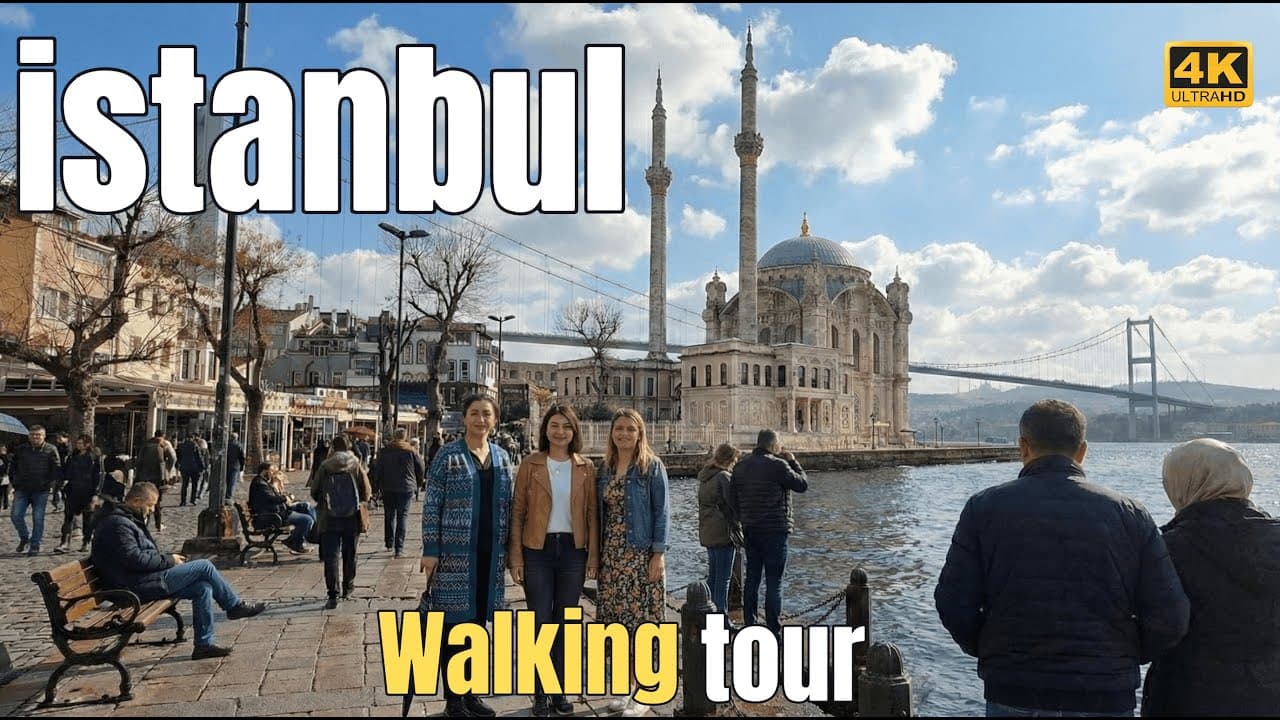
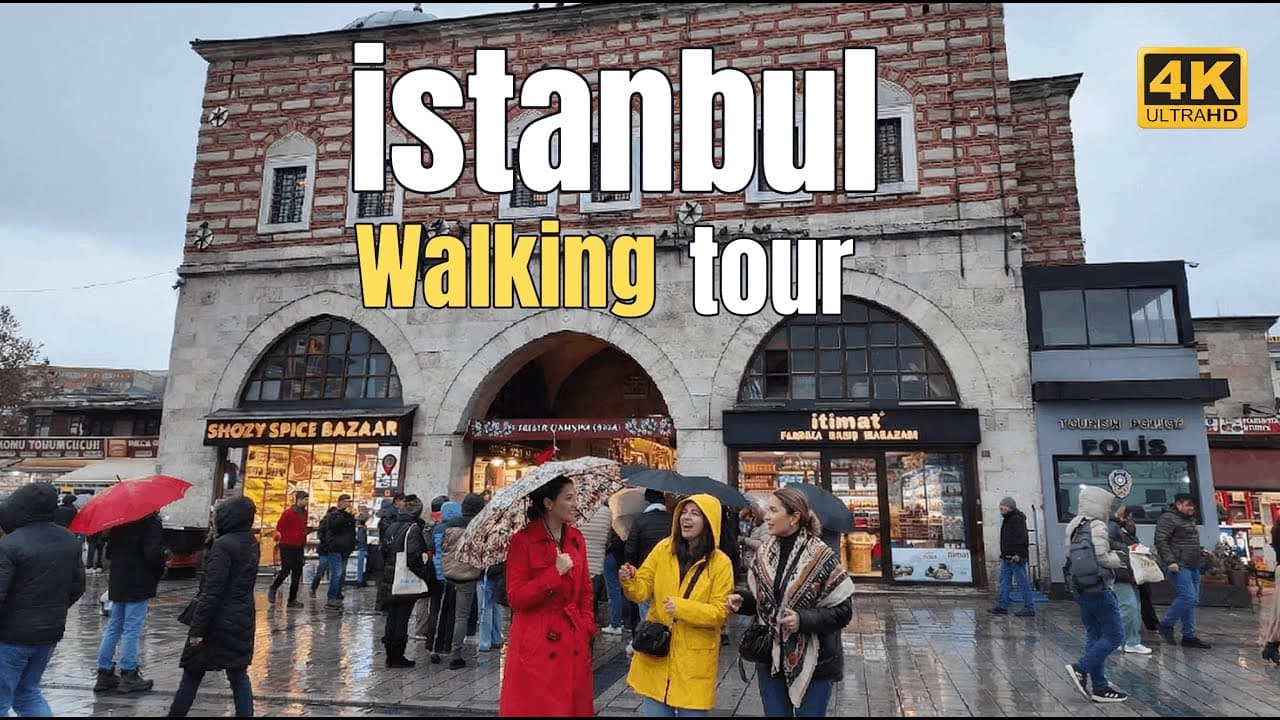
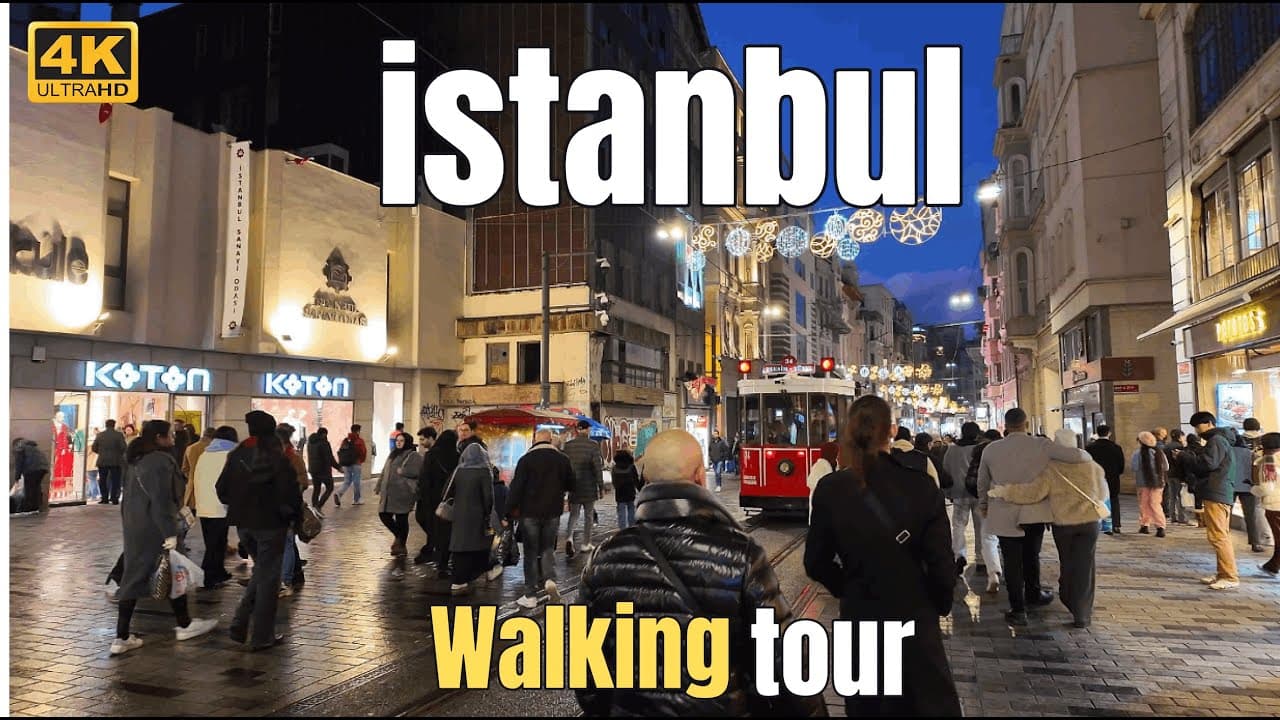
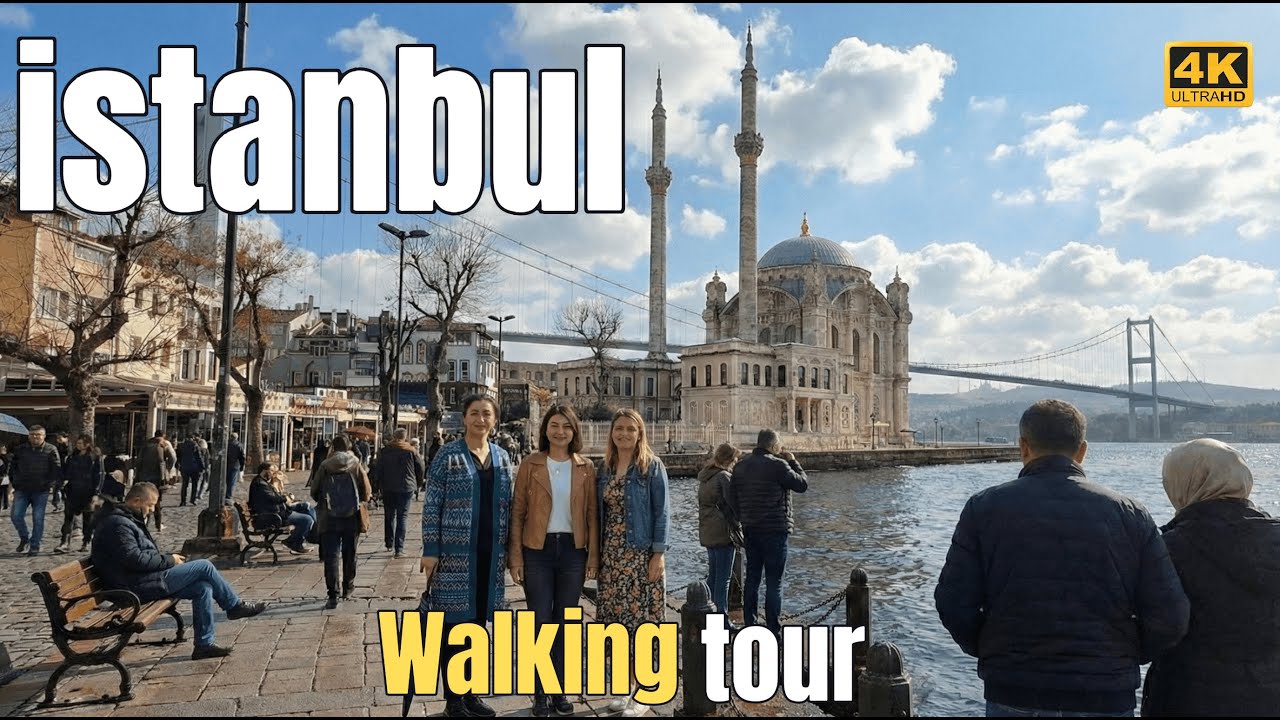
Istanbul Walking Tour 4K – From Beşiktaş to Ortaköy Along the Bosphorus Waterfront
Watch the 4K walkPlaces on the map
18 pinsNumbers match the order in the article. Tap a pin for directions.
Besiktas: palaces, a market quarter and the Bosphorus villages
Besiktas stretches along the European shore of the Bosphorus and packs three quite different Istanbuls into one district. At its southern end runs the line of palaces that begins with Dolmabahce. Behind the ferry pier sits a working market quarter, all fishmongers, breakfast joints and student cafes, busy from early morning until late. And north along the water lie the shore villages of Ortakoy, Arnavutkoy and Bebek, each with a personality of its own. In a single day you can walk under a crystal chandelier the size of a small boat and then queue for a baked potato by the water.
The district suits travellers who like history but not glass cases, walkers who want a long, mostly flat waterfront, and anyone happy to spend an hour on a bench watching ferries cross. Because of its student population, the market side stays cheap and loud in a way the tourist districts of the old city no longer are.
The classic mistake is to tour Dolmabahce, tick off Besiktas and take a taxi back to Sultanahmet. Most of the district's real life, the market lanes and the shore villages, lies beyond the palace gate. This guide lists 18 stops from south to north, in the same order as the numbers on the map.
Quick answer
Split Besiktas into two blocks: give the morning to Dolmabahce and the market quarter, and the afternoon to the shore from Ortakoy up to Bebek.
- Arrive at Dolmabahce early; the ticket queue grows badly toward midday.
- Ferries reach Besiktas pier from Kadikoy and Uskudar; buses run the whole shore road.
- Ortakoy is packed at weekends; go on a weekday if you want it calm.
18 places to see in Besiktas
1. Dolmabahce Palace
The 19th-century palace that replaced Topkapi as the seat of the late Ottoman court. Sultans lived and governed here, and Ataturk died in this palace on 10 November 1938; the clock in his room is still treated with quiet reverence. Inside you pass the vast chandelier of the ceremonial hall, doors inlaid with mother-of-pearl and long sea-facing galleries. Visits follow a set route and take up to two hours if you are not rushed. Be warned about the queue: at weekends and on holidays it gets seriously long, and being at the gate for opening time is by far the easiest plan. Closing days and ticket rules change, so confirm them officially before you go. The Kabatas tram stop is a few minutes' walk away, and you can also walk along the shore from Besiktas pier.
2. Dolmabahce Mosque and the Clock Tower
Beside the palace's clock-tower gate, two buildings frame each other. The mosque was commissioned in the mid 19th century in the name of Bezmialem Valide Sultan, and its slim minarets and huge round windows put it closer to palace architecture than to the classical mosques of the old city. The clock tower, added near the century's end, shows four dial faces and is the most photographed corner of the palace forecourt. The mosque is a working place of worship and free to enter: come outside prayer times, take your shoes off, cover shoulders and knees, and headscarves for women are usually available at the door. The interior is brighter than you expect, because those windows pull in light straight off the water. Fifteen minutes fits easily before or after the palace.
3. The Naval Museum
In a modern building right by the pier square, this is Turkey's largest maritime collection, and its stars are the imperial caiques: the long, gilded rowing barges the sultans used on the Bosphorus, some pulled by dozens of oarsmen, displayed at eye level in an airy gallery. The woodwork on these boats, more than a century old, impresses even straight after a palace tour. Upper floors hold charts, ship models and marine paintings. Unlike the palaces, the museum is usually quiet, with no queue to speak of. Check the closed day and current hours through official channels. For families it is the easiest museum in the district, because the objects are big and the storytelling is visual. Allow between one hour and ninety minutes.
4. The Barbaros monument and the ferry square
This square is the heart of Besiktas. The monument at its centre shows Barbaros Hayreddin Pasha, the great 16th-century admiral, facing the sea he commanded; the plain tomb across from it is his, and it is a work of the architect Mimar Sinan. The square fills with ferry commuters in the morning, home-goers in the evening and black-and-white football crowds on match days. It is as much a meeting point and compass as a sight: ferries, buses and the market lanes all fan out from here. Sitting on a bench near the monument and looking across to Uskudar is the quickest way to get your bearings in the district. Fifteen minutes covers the monument and the outside of the tomb.
5. Sinan Pasha Mosque
At the seaward edge of the market, where Barbaros Boulevard begins, this mosque was built in the mid 16th century by Mimar Sinan for Sinan Pasha, the admiral who followed Barbaros as head of the Ottoman fleet. You recognise it at once by its banded stone-and-brick facade; inside is a light, multi-domed plan counted among Sinan's early experiments. The daily rush of Besiktas stays outside the door, and the interior is quiet at most hours. It is an active mosque, so visit outside prayer times, follow the dress rules, and keep worshippers out of your photos. If you want to study a Sinan building up close without the crowds of the big Sultanahmet mosques, this is the best chance in the district. A visit takes no more than twenty minutes.
6. Besiktas market quarter
The web of lanes behind the pier square is where the district actually lives. Fish stalls fill up through the afternoon, the breakfast places in the side alleys are too busy for a free table before nine at weekends, and record shops, secondhand booksellers and old-style nut roasters hold on in between. There is nothing to book and no queue to stand in; you simply walk, look, and sit down when you get hungry. In the evening the small meyhanes around the fishmongers fill and the quarter shows another face. Prices vary from place to place, so glance at the menu before sitting. On match nights the lanes overflow with fans; save a quiet dinner for another evening. After the protocol of the palaces, this scruffy, noisy side of the district does most visitors good.
7. The Akaretler row houses
On the slope above the market, along Suleyman Seba Avenue, stands a terrace of stone row houses built in the later 19th century for palace staff. Reminiscent of terraced streets in European capitals, the block was among the first of its kind in Ottoman Istanbul. Restored, the houses now hold boutiques, galleries, cafes and offices, and the street fills with a late-breakfast crowd at weekends. Architecture lovers enjoy the rhythm of the repeating facades, and the climb is a pleasant walk even if shopping is not your aim, though the gradient is real and comfortable shoes help. Ataturk lived for a time in one of these houses with his mother, and that building has been arranged as a museum; check whether it is open before you go.
8. Ihlamur Pavilion
In the inland neighbourhoods of Besiktas, set between two valleys, sits a small 19th-century royal pavilion. Sultan Abdulmecid used it as a hunting and resting lodge, and it takes its name from the linden trees around it. Its two separate pavilions read like a small-scale, intimate answer to Dolmabahce: ornate facades and carved ceilings without the fatigue of palace protocol. The garden doubles as a quiet breathing space for the surrounding neighbourhood. Because it sits off the tourist routes, it is nearly empty at most hours, which makes it the most restful stop in the district for anyone worn down by crowds. Opening days and entry arrangements for the pavilions change from time to time, so confirm officially before setting out. It is about a twenty-minute walk from central Besiktas, with buses passing too.
9. Yildiz Park
This wooded park covers the hillside between Besiktas and Ortakoy and was once the outer garden of Yildiz Palace. Today it is one of Istanbul's largest parks, full of century-old trees, ponds, greenhouses and pavilions scattered up the slope. An honest warning: the park is steep. Entering by the lower gate on Ciragan Avenue and climbing to the top is a proper ascent; carry water on hot days and take the slope in the cool of the morning. The reward is Bosphorus views opening between the trees and paths where the city's noise cuts out completely. Weekends bring picnickers, but the grounds are large enough that it never feels tight. Vehicle access and the state of the pavilions change from period to period; checking current rules before you go prevents disappointment. Give the park at least ninety minutes.
10. Yildiz Palace
Above the slope, woven into the park, spreads a large palace complex. Abdulhamid II ran his reign of more than thirty years from here, and where Dolmabahce is one grand block, Yildiz grew as a loose scatter of pavilions, workshops and a theatre set among gardens. That looseness gives it an intimacy the other palaces lack: you wander grounds rather than corridors. The complex has been through a long restoration, and which sections are open to visitors keeps changing; confirm through official sources which pavilions can be seen before you make the climb. The uphill approach from the Besiktas side is tiring, so it is smarter to ride a bus up to the Yildiz stop and walk down. For palace enthusiasts it completes Dolmabahce, though fitting both into one day is exhausting.
11. The Malta Pavilion
In the upper reaches of Yildiz Park, looking through the trees to the Bosphorus, stands a 19th-century pavilion with a dark story behind its graceful front: statesmen who fell from favour were held here under watch during the palace era, Midhat Pasha the best known of them. For many years it operated as a cafe and restaurant, and the view from its terrace is the classic reward for climbing the park. Its operating status changes from time to time, so check whether it is open before you go; even closed, the terrace level and the paths around it are worth the walk for the view alone. The climb from the park's lower gate takes twenty to thirty minutes and is steep in stretches, so take it slowly.
12. Ciragan Palace
Between Besiktas and Ortakoy, right on the waterline, runs this 19th-century palace. Built for Sultan Abdulaziz, it was gutted by fire in 1910 and stood as a shell for decades. Today it forms part of a luxury hotel, which means it is not a museum and cannot be toured with a ticket. The best views are from the shore and the water: the walk along Ciragan Avenue shows the full length of the marble facade, and the Bosphorus ferries see the seaward side. The hotel's restaurants take reservations if you want to sit inside the grounds, but go knowing it is dinner, not a palace visit. Since it sits level with the lower gate of Yildiz Park, pairing the two in one walk is easy. For photographs, afternoon light brings the facade out best.
13. Ortakoy square and the kumpir stands
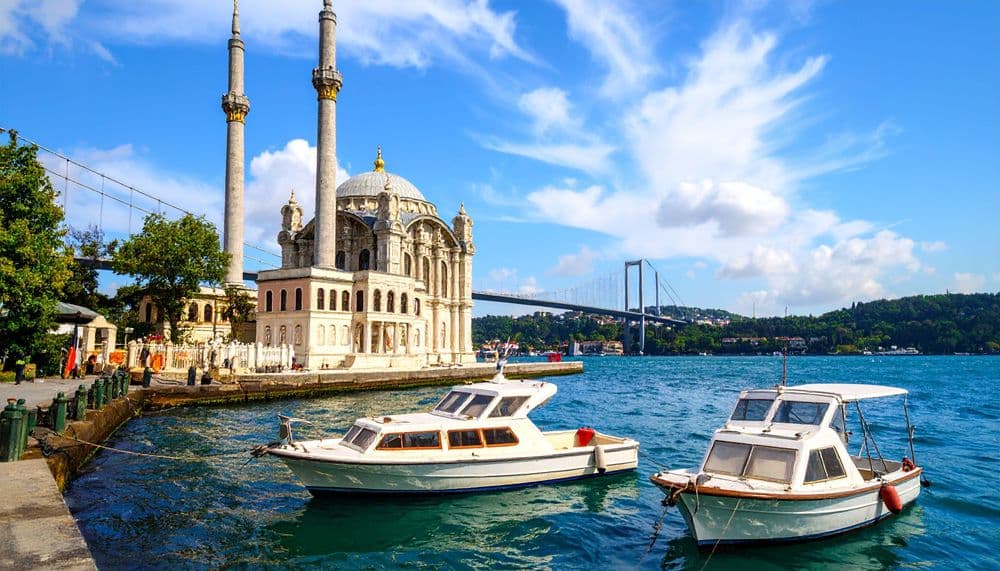
A small square opening onto the water, a tangle of narrow lanes behind it and a row of kumpir stands: that is the Ortakoy formula, and it has not changed in decades. Kumpir is the neighbourhood classic, a huge baked potato loaded with anything from cheese to sausage; the stands all sell much the same menu, so picking the shortest queue usually works. The railings at the water's edge frame the bridge and the mosque in one of Istanbul's best-known photographs. An honest warning: on weekend afternoons the square gets so crowded it is hard to move, so choose a weekday morning if you want Ortakoy quiet. Jewellery sellers and street vendors set up a small bazaar feel around the square. Ortakoy's lanes and breakfast places get their own detailed guide.
14. Ortakoy (Buyuk Mecidiye) Mosque
At the tip of the square, sitting almost on the water, this mosque was built in the mid 19th century for Sultan Abdulmecid; its formal name is Buyuk Mecidiye. Its two slender minarets and curving baroque front set it apart from the classical Ottoman mosques at a glance, and with the bridge rising behind it, it makes one of the most photographed views in Istanbul. The interior is unexpectedly bright, since the tall windows take light reflected straight off the sea. It is a working mosque: enter outside prayer times, remove your shoes, cover shoulders and knees, and expect the inside to be as busy as the square at weekends. Entry is free and fifteen minutes is enough. For photographers, early morning is the one time the square is empty and the light soft.
15. The Arnavutkoy waterfront mansions
Cross north from Ortakoy and the texture of the shore changes: Arnavutkoy's waterfront is lined with wooden mansions whose bay windows lean out over the water. Most date from the 19th century, and nowhere else in Istanbul has a wooden shorefront survived at this density. The mansions are private homes and cannot be visited; the pleasure lies in reading the facades from across the road, the carved eaves, the faded pastel paint, some houses immaculate and others tired. Step into the back streets and you find a narrow neighbourhood climbing a steep slope, an old church and a cluster of fish restaurants. It is a calm place, nothing like the crowded tourist circuits, and the best hour is the afternoon when direct light hits the facades. Arnavutkoy's streets and restaurants have a separate guide of their own.
16. The Arnavutkoy-Bebek shore walk
The shore road linking the two villages is the district's most pleasant short walk: roughly a kilometre and a half, completely flat and at the water's edge the whole way. The route rounds a headland at one of the narrowest, fastest-flowing points of the strait; anglers line the rocks along the shore, and the hills of Kandilli face you across the water. Taken unhurried, the walk lasts about half an hour. The pavement narrows in places, and at weekends runners, cyclists and walkers share the same strip, so go early in the morning if you want it calm. Building this walk into your route beats riding the bus from Ortakoy to Bebek and never seeing the shore. At sunset, walking the reverse direction from Bebek gives the better light.
17. The Bebek shore and park
At the north end of the shore walk, Bebek bay opens out: a sheltered curve where boats lie at anchor, a well-kept waterside park running its length and a street of cafes behind. The park is the district's best spot for sitting by the water and doing nothing at all, with benches, lawns and a playground that stay busy from morning to evening without feeling oppressive. The street side belongs to one of Istanbul's expensive neighbourhoods, and coffee and pastry cost noticeably more than in the market quarter, so look at the menu before you sit down. The village's old almond-paste maker still sells from its small shop, and a box makes a fine gift. Bebek's bay, pier and eating spots are covered in detail in a separate Bebek guide.
18. The Asiyan Museum
At Bebek's northern edge, a wooden house set into the hillside is the home the poet Tevfik Fikret built to his own drawings; its name, Asiyan, means bird's nest. Fikret spent his last years here, and the museum displays his manuscripts, belongings and pieces from the literary circle of his era. The house is small and a visit rarely passes half an hour, but the Bosphorus view from the upper windows explains in one glance why the poet chose this slope. The lane up to the museum is short but steep. Opening days and hours can change, so check the current situation before walking to the door. Even with no interest in poetry, it makes a quiet final stop away from the crowded circuits.
Getting there
The best arrival is by water: regular ferries run to Besiktas pier from Kadikoy and Uskudar, and the crossing doubles as a short Bosphorus cruise. The pier lands you directly in front of the market and the Barbaros square. Coming from elsewhere on the European side, the Kabatas tram stop is a few minutes' walk from Dolmabahce, from where you can follow the shore into central Besiktas.
Within the district, the workhorse is the bus along the shore road: Besiktas, Ortakoy, Arnavutkoy and Bebek all sit on the same line. On weekend afternoons the shore road clogs, and walking short stretches is often faster than riding. There are metro connections up on the ridge, but for a shoreline day you will mostly manage with ferries, buses and your own feet.
When to go
Spring and autumn are the balanced seasons: the Yildiz Park climb is manageable in cool air, the shore walk stays comfortable, and in Judas-tree season the coastline gets an extra layer of colour. In summer heat, put the palaces and museums in the morning and leave the shore for the cool of the evening; the late-afternoon Bosphorus breeze rescues most days. Winter should not be dismissed either: it is the quietest time to arrive by ferry, take a long breakfast in the market and tour Dolmabahce without crowds. Within the day the rule is simple: early hours for palaces, weekdays for Ortakoy, near sunset for the shore.
Eating and drinking
The lanes behind the market are the district's breakfast centre; the spread-style breakfast tables fill from nine at weekends and are far easier on weekdays. For fish there are two routes: the small lokantas and meyhanes clustered around the market's fishmongers, or a calmer evening at the waterfront fish restaurants of Arnavutkoy. Ortakoy's contribution is clear enough: kumpir and waffle stands line up just behind the square, eaten standing and fast. The Bebek side is known for coffee, pastry and long breakfasts, at prices well above the market quarter. One general rule holds across the district: read the menu before you sit, because prices swing sharply from one neighbourhood to the next.
Frequently asked questions
**Can Besiktas be done in one day?** In outline, yes: Dolmabahce and the market in the morning, the shore from Ortakoy to Bebek in the afternoon. Add Yildiz Park, Yildiz Palace and the museums, though, and two days is far more comfortable.
**Do I need to sort Dolmabahce tickets in advance?** In busy periods the queue at the gate wastes serious time. Check the current ticket arrangements and closing days through official sources before you go; arriving early in the morning helps in every case.
**Are Yildiz Park and its pavilions always open?** The park itself is generally open, but visiting arrangements for the pavilions and the palace shift with restorations and new rules. Confirming officially before you go prevents a wasted climb.
**Can you visit Ciragan Palace?** No, it is not a museum; it operates as a hotel. You see the facade from the shore walk or from a ferry, and getting inside means using the hotel's restaurants or rooms.
**Can you walk from Besiktas to Ortakoy?** Yes, and it is a good walk: about half an hour along the shore on Ciragan Avenue, passing the front of Ciragan Palace and the lower gate of Yildiz Park.
Explore nearby towns and neighbourhoods
Planning questions
What does this İstanbul guide cover?
Plan Besiktas area by area: Dolmabahce and the centre, Ortakoy, Arnavutkoy and Bebek, with transport, time and a map.
Can I watch a 4K walking tour of İstanbul?
Yes. The page links to Travel Walk Tours films so you can preview the İstanbul route on a big screen before you go.
How should I use this page to plan?
Read the quick answer first, skim the route notes, then compare street texture, timing, and nearby guides through the linked city page and walking films.