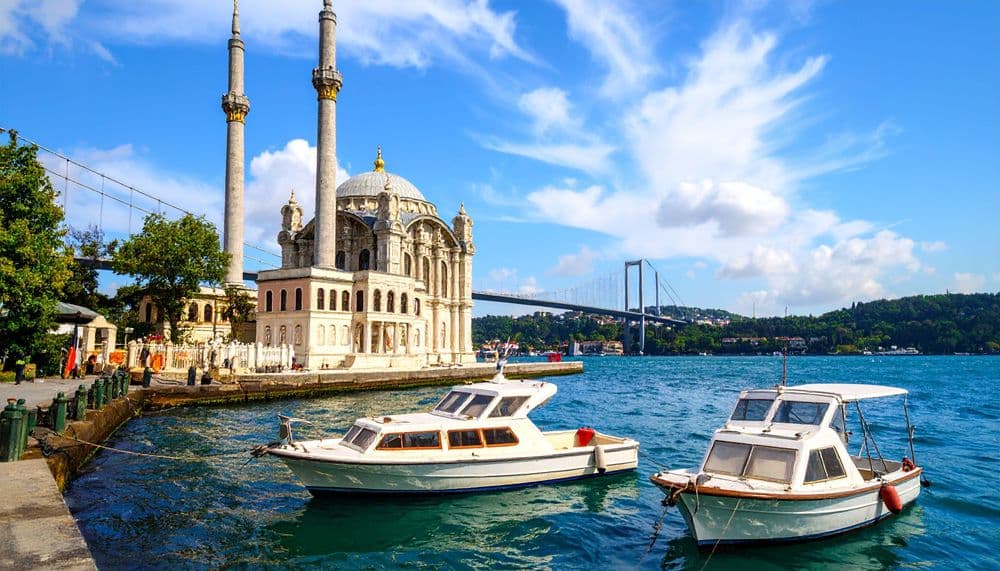
A Bosphorus guide to Emirgan Park and its April tulips, the Sabanci Museum, the shore mansions and Rumeli Fortress.

Walk this route
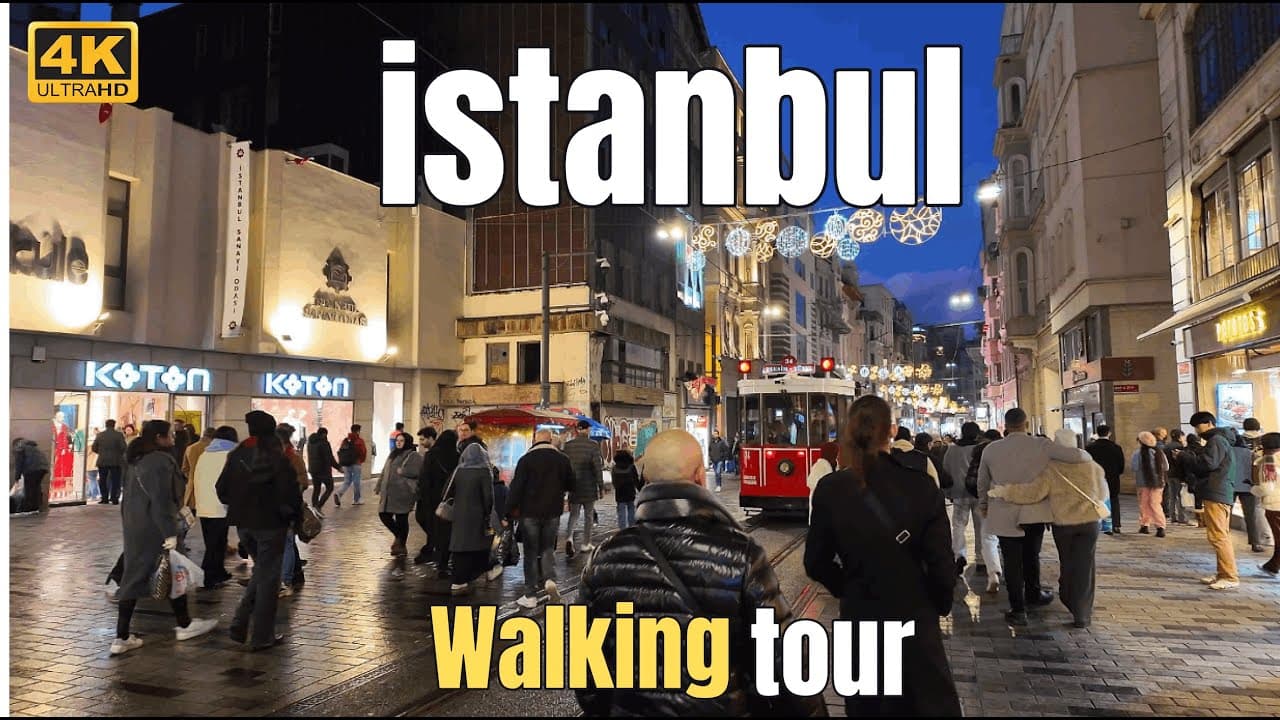
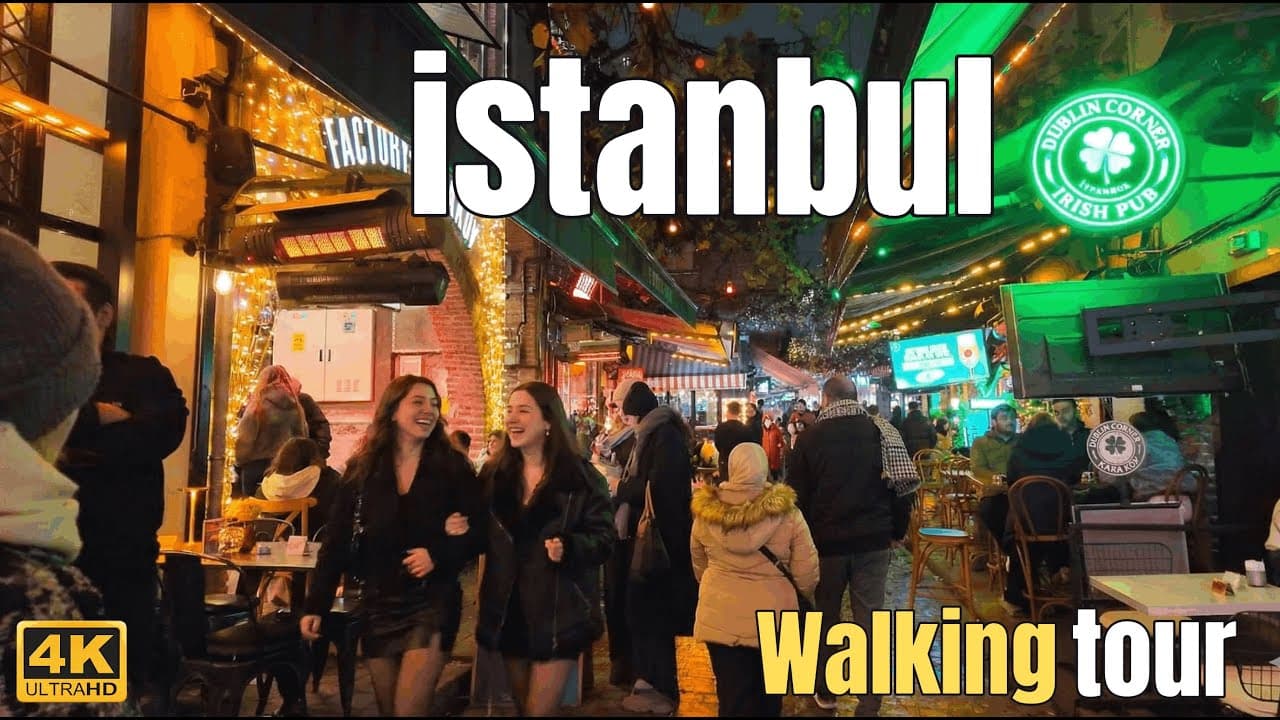
Istanbul Walking Tour 4K – From Beşiktaş to Ortaköy Along the Bosphorus Waterfront
Watch the 4K walkPlaces on the map
8 pinsNumbers match the order in the article. Tap a pin for directions.
Emirgan, the grove and the mid-Bosphorus shore
Emirgan is a shoreline neighbourhood on the European side of the Bosphorus, in the Sariyer district, known above all for the big wooded park on the hill behind the water. For most of the year it lives quietly: tea by the pier, walks in the grove, men fishing off the shore road. In April the picture flips, because the tulip festival makes the grove one of the busiest open spaces in Istanbul.
The grove, the pavilions, the museum, the mosque and the pier all sit within walking distance of each other, so half a day covers the essentials and a full day covers them at an easy pace.
Two mistakes are common. The first is seeing Emirgan only on the busiest tulip weekend, when the paths jam and the quiet side of the place never shows itself. The second is driving in: parking barely exists on the shore road and disappears completely in April. Take a bus and come on a weekday morning.
Quick answer
Visit on a weekday morning. The grove is free, the Sakip Sabanci Museum sells its own ticket, and shore buses are the practical way in. Do not drive.
- Best time: weekday mornings; April is colourful but crowded, autumn is calm.
- Grove entry is free; check which of the pavilions inside are open as cafes before you go.
- Museum hours and the exhibition calendar change, so verify them on the official site.
1. Emirgan Grove
Emirgan Grove climbs from the shore road up the hillside and covers more than 40 hectares. In the nineteenth century the land belonged to Ismail Pasha, the Khedive of Egypt, and it opened to the public in the 1940s. Inside are old stone pines, ponds, walking paths and three historic pavilions. This is the centre of the neighbourhood, and it is also the main stage of the April tulip festival.
The paths rise steeply once you pass the gates. The climb from the lower entrance to the upper terraces is short but sharp; wear comfortable shoes, and expect a stroller to struggle on the slopes. From the upper paths the strait, the bridge and the Asian shore open out below you.
Honest note: the grove is free and open daily, but April weekends bring queues at the gates. For a quiet walk, choose a weekday morning; in winter the paths can be wet and slippery, so watch your step.
2. The tulip gardens
Every April the slopes of the grove fill with tulip beds. The Istanbul tulip festival has run since 2005, and Emirgan Grove is its best-known address: millions of bulbs, dozens of varieties, beds laid out in patterns across the hillside. At the peak of the season the grove turns into one large photo set.
The dates move each year. Because the bloom depends on the weather, the peak can fall in early April one year and mid-April the next, so check that year's calendar and the state of the beds before you travel. By the end of the month the flowers are usually fading.
The crowd reality is simple: on weekend afternoons people queue for photos in front of the beds, while a weekday morning shows you the same beds nearly empty. Stepping into the beds or picking flowers is forbidden and staff enforce it. Outside tulip season the same ground carries seasonal planting, so the grove is not bare for the rest of the year.
3. The Yellow Pavilion
The Yellow Pavilion, the Sari Kosk, is a wooden nineteenth-century building beside the pond inside the grove. It went up in the era of Khedive Ismail Pasha as a hunting and rest lodge, and it takes its name from the colour of its facade. With its carved woodwork and its position over the water, it is the most photographed of the grove's three pavilions.
For many years it worked as a cafe and restaurant, but it closes now and then for restoration or private events. Whether you can sit inside on any given day is never certain, so check its current status before counting on it for lunch.
Even when the doors are shut, the setting rewards the walk: the pond, the ducks and the pavilion's reflection in the water make a fine morning picture. In tulip season the ground in front of it becomes one of the busiest corners of the festival, so come early for a calm shot.
4. The White and Pink Pavilions
The other two historic buildings in the grove are the White Pavilion and the Pink Pavilion. The White Pavilion, on the upper plateau, is the largest of the three, with a neoclassical look; it has long been used for weddings, receptions and concerts. The Pink Pavilion is smaller and plainer, and it too has spent periods as a cafe or an event house.
All three pavilions date from the same era, the years of Khedive Ismail Pasha. What each one is used for has changed several times over the years, and it was still shifting when this guide was written, so verify the current arrangement before planning to eat or sit in either of them.
Practically, treat the pavilions as natural stops on a loop through the grove. The flat ground around the White Pavilion suits a rest and gives children room to run, while the Pink Pavilion side stays quieter at most hours.
5. The Sakip Sabanci Museum
The Sakip Sabanci Museum sits just outside the grove, facing the shore road, in an early twentieth-century mansion known as the Atli Kosk. It opened as a museum in 2002. The permanent collection rests on two legs: a strong holding of Ottoman calligraphy and a body of nineteenth- and twentieth-century painting. On top of that come several large visiting exhibitions a year; past shows have brought Picasso, Rodin and Monet to this shore.
The garden looks over the Bosphorus, with a cafe and a sculpture terrace for after the galleries. During big shows the entry line grows, and mornings are the easier slot.
Honest note: opening hours, closed days and ticket prices change with the exhibition programme. Verify the current details on the official site before you go, and for popular shows buy a ticket in advance to cut the wait considerably.
6. The Emirgan Mosque
The Emirgan Mosque sits on the waterfront at the edge of the pier square; its formal name is the Hamid-i Evvel Mosque. Sultan Abdulhamid I had it built in the 1780s, and it has been repaired several times since. It is a modest single-minaret shore mosque, and its position by the water makes it the natural centre of the village square.
The interior is small but carries details from the Ottoman baroque period. Its real appeal is the setting: mosque, square, plane tree and pier sit side by side, and the daily life of Emirgan turns within these few hundred square metres.
A note for visitors: this is a working place of worship. Avoid sightseeing visits during prayer times, especially Friday midday. Cover shoulders and knees; women should carry a scarf, since one may not be available at the door.
7. The Cinaralti tea gardens
Between the mosque and the pier, in the shade of a plane tree said to be centuries old, sit the tea gardens that give this square its name: cinaralti means "under the plane tree." Locals arrive early with newspapers and simit, and the click of backgammon runs through the day. Drinking tea by the water while ferries and tankers slide past is the local ritual here.
Several places operate side by side, all with tea, toasted sandwiches and simple plates; some do the full spread-out Turkish breakfast. The tables nearest the water always fill first.
Honest note: weekend mornings in spring and summer bring a heavy breakfast crowd and a wait for tables. Come on a weekday before noon and a seat under the tree is easy to find. Take a moment for the tree itself; the width of the trunk alone explains why the square carries its name.
8. The Emirgan pier and shore
The Emirgan pier stands on the water side of the square. Some Bosphorus ferry services call here, but sailings are few and the timetable changes with the season, so check the schedule in advance if you plan to arrive or leave by boat.
The shoreline itself is short but rewarding. You can walk south along the water toward Baltalimani and the Bogazici University shore, or north toward the bay at Istinye. Benches, anglers and the facades of old waterfront houses line the way, and across the strait you can see Kanlica and the Anatolian Fortress.
Honest note: the shore road carries steady traffic and the pavement narrows in places, so keep children on the water side. Late afternoon, when the light falls on the opposite shore, is the best hour of the day for photographs here.
Getting there
No rail line reaches Emirgan; the backbone of the trip is the shore bus. Lines such as the 22, 25E and 40 run from Kabatas and Besiktas along the coast toward Sariyer and stop at Emirgan, a short walk from the pier square and the lower gate of the grove. Route numbers change from time to time, so confirm them with the city transport authority before you set out.
The ferry is the second option: some Bosphorus services call at Emirgan or at neighbouring piers, but departures are spaced far apart. If you come by metro, the practical move is to transfer to a shore-bound bus or take a short taxi ride from the Haciosman end of the line.
On driving, be under no illusion: parking is scarce around the grove and almost absent on the shore, and in tulip season a car means a long hunt for a space. The bus is easier in every way.
When to go
April is Emirgan's showcase month. The tulip festival covers the grove in colour, and no other period is as generous for photographs. The price is the crowd: weekend queues form at the gates and in front of the beds. If April is your month, pick a weekday morning and leave before noon.
For a calm Emirgan, autumn is the best season. In September and October the grove is quiet, the weather suits a long walk, and a table under the plane tree is easy to find. The trees turn yellow and the grove looks good without a single tulip in it.
Summer can be hot and humid, though the shade of the grove helps. Winter is silent: the tea gardens thin out and the paths get wet, but the view across the strait is at its clearest. In any season, morning beats afternoon for both the light and the space.
Eating and drinking
The eating heart of Emirgan is the square under the plane tree. Tea, toasted sandwiches and the spread-out Turkish breakfast are the standard menu at the tea gardens, and breakfast by the water is the neighbourhood's favourite habit. Come early for a table at weekends.
Inside the grove, the pavilions operate as cafes and restaurants in the periods when they are open, so check which ones are running before you rely on them. The cafe at the Sakip Sabanci Museum is the more dependable option and pairs naturally with a museum visit; its garden faces the water and suits a lunch break.
For a wider choice, look one step beyond the neighbourhood: fish restaurants and cafes around the Istinye bay, and small tradesmen's lokantas toward Boyacikoy. Emirgan itself has no night scene to speak of; for dinner, Bebek or Istinye makes more sense.
Frequently asked questions
**When exactly is the tulip festival?** It takes place every April, but the opening and the peak week shift with the weather. Some years the beds are fullest in the first days of the month, other years in the middle. Check that year's official calendar and the current state of the beds before you go.
**Is Emirgan Grove free, and are the pavilions open?** Entry to the grove is free. The Yellow, White and Pink Pavilions inside operate as cafes or event houses at different periods, and which of them is open changes. If you plan to sit in one, verify its current status in advance.
**Does the Sakip Sabanci Museum need a separate ticket?** Yes, the museum is independent of the grove and sells its own tickets. Hours and prices vary with the exhibition programme, and for major visiting shows an advance ticket shortens the queue. Check the official site for current details.
**Is Emirgan good with children?** Yes, the grove gives children wide, safe ground to run on, especially the flat stretches around the upper pavilions. Two warnings: the paths are steep in places and a stroller will struggle, and the pavement along the shore road narrows, so keep to the water side there.
Planning questions
What does this İstanbul guide cover?
A Bosphorus guide to Emirgan Park and its April tulips, the Sabanci Museum, the shore mansions and Rumeli Fortress.
Can I watch a 4K walking tour of İstanbul?
Yes. The page links to Travel Walk Tours films so you can preview the İstanbul route on a big screen before you go.
How should I use this page to plan?
Read the quick answer first, skim the route notes, then compare street texture, timing, and nearby guides through the linked city page and walking films.