Plan Sariyer area by area: Emirgan, the upper-Bosphorus villages, Sariyer centre, the fishing villages and the Kilyos beaches, with transport and a map.
Walk this route
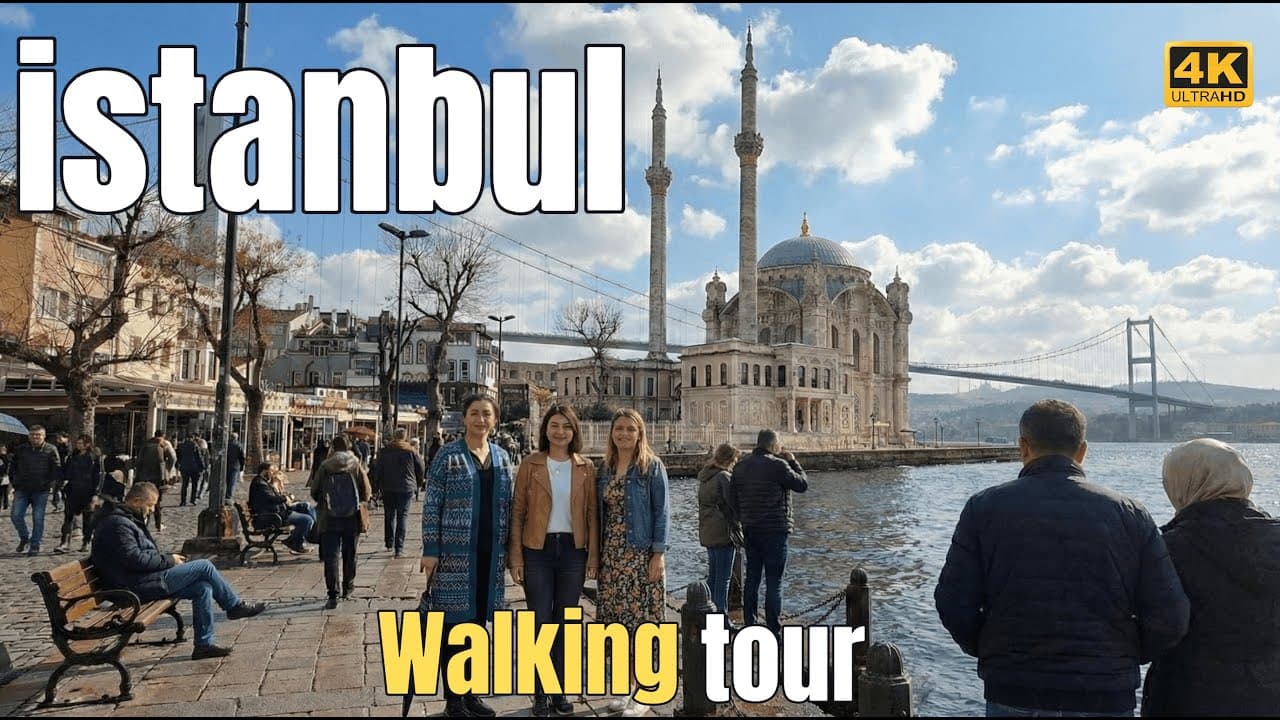
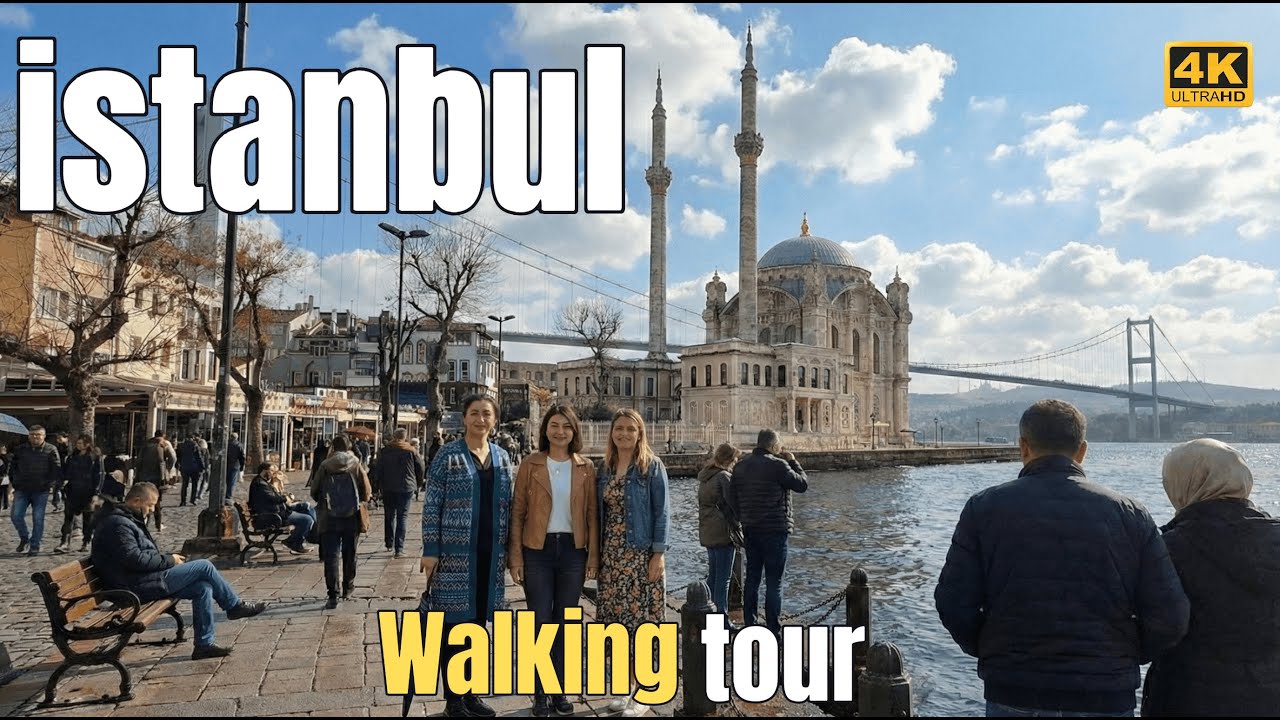
Istanbul Walking Tour 4K – From Beşiktaş to Ortaköy Along the Bosphorus Waterfront
Watch the 4K walkPlaces on the map
18 pinsNumbers match the order in the article. Tap a pin for directions.
Sariyer, the green upper Bosphorus and the door to the Black Sea
Sariyer is the northernmost district on Istanbul's European side. It begins at Emirgan, works its way up the strait through one waterside village after another, opens onto the Black Sea at Rumeli Feneri, and then keeps going along the sandy coast at Kilyos and deep into Belgrad Forest. It is not one neighbourhood but a whole region of groves, mansion villages, fishing harbours and open-sea beaches.
This guide follows the 18 stops on the map in order, from Emirgan up to the forest lakes. Sariyer suits travellers who want greenery, fresh fish, waterside walks and quiet village rhythms; museum lovers get two strong stops in the Sakip Sabanci and Sadberk Hanim collections. Anyone hoping for nightlife or shopping is in the wrong district.
The classic mistake is trying to fold the Bosphorus shore and the Black Sea beaches into one rushed day. The drive from Emirgan to Kilyos takes longer than the map suggests once traffic joins in, and neither side rewards hurry. Give the Bosphorus line a day of its own and keep the Black Sea coast and the forest for another. Beyond Sariyer centre, a car makes everything easier.
Quick answer
Split Sariyer into two blocks: one day for the Bosphorus shore from Emirgan to Rumeli Kavagi, a separate day for Garipce, Rumeli Feneri, Kilyos and the forest.
- Buses cover the Bosphorus shore well; a car pays off for Kilyos, the far villages and the forest.
- April is for the Emirgan tulips, summer for the Kilyos sea, autumn for Belgrad Forest and the arboretum.
- The Black Sea current at Kilyos is serious; swim only at lifeguarded sections and respect the flags.
18 places to see in Sariyer
1. Emirgan Grove
At the southern end of the district, this hillside grove is one of the best-kept green spaces in Istanbul. Paths climb between ponds and three historic pavilions, the Yellow, Pink and White, where tea and long breakfasts are a settled habit. The grove's busiest season is April, when the tulip festival fills the slopes with planted beds and weekend afternoons get genuinely crowded; if you are coming for the flowers, pick a weekday morning. Outside festival weeks it feels more like a calm forest park, and the autumn leaves are worth a visit of their own. The gates sit on a slope, so wear comfortable shoes. Entry to the park is free; the pavilion cafes charge separately. Emirgan's shore and village deserve their own visit, and we cover them in a separate Emirgan guide.
2. The Sakip Sabanci Museum
The Atli Kosk, the old mansion on the ridge above Emirgan, now houses a museum run by Sabanci University. The permanent collection is built around Ottoman calligraphy and Turkish painting from the 19th and 20th centuries, but the museum's reputation rests on its large temporary exhibitions, which have brought major international shows to Istanbul. The programme changes through the year, so check what is on and which days it opens before you go. The garden is a destination in itself, with terraces looking down through old trees to the strait; it turns a museum visit into half a day. The walk up from the shore road is short but steep. Queues build in the final weeks of a big exhibition, so buying a ticket in advance is sensible.
3. The Emirgan shore and Cinaralti
Down at the water, Emirgan's everyday life takes over. Cinaralti is the stretch of tea gardens named after its ancient plane trees: low stools, tea from the samovar, fresh simit, and the Asian shore in view across the water. Early in the morning this is where the neighbourhood has breakfast; by late weekend mornings the tables fill and the shore path gets busy with walkers. Do not expect anything polished. The point of the place is its plainness and its position. The right way to do Emirgan is to combine shore and grove: tea at Cinaralti first, then the climb into the trees, then the museum on the way back. The short quay by the ferry pier is one of the easiest photo spots on the strait.
4. Rumeli Fortress
The great Ottoman fortress stands at the narrowest point of the Bosphorus, facing Anadolu Hisari on the far bank. It went up in 1452, in the months before the conquest of Istanbul, built to cut off help reaching the city from the Black Sea, a job it did. Today its walls, towers and amphitheatre make it the strongest historical stop in the district. Sections of the walls and the tower interiors close from time to time for restoration, so check the current visiting situation and which areas are open before you go. Some stairways inside are steep and unrailed; families with small children should take care. Even without going in, the silhouette from the shore, framed with the Fatih Sultan Mehmet Bridge, is worth the stop. The surrounding Rumelihisari quarter is thick with breakfast places and cafes.
5. Perili Kosk (the "haunted mansion")
Between Rumelihisari and Baltalimani, a red-brick tower building rises straight off the shore road. Construction began in the early 1900s and stopped during the war years, and the shell stood empty long enough to earn its name, "the haunted mansion", from the stories that grew around it. The building was eventually finished and now leads a double life: company offices on weekdays, a contemporary art museum open to visitors at weekends. That makes the visiting rhythm unusual, so aim for a weekend and check the current exhibition and opening details in advance. From outside, any day works; it is a natural pause on a walk along this stretch of shore.
6. Istinye Bay
This sheltered inlet cuts deep into the European shore and spent decades as a shipyard; today it holds a marina, fishing boats and a quieter waterside life. The bay takes a short walk to circle, boats on one side, fish restaurants and breakfast places on the other. Because the water inside is almost always calm, Istinye stays comfortable even on days when the strait itself is windblown. The crowds heading to the big shopping centre on the ridge rarely come down to the water, which leaves the bay unexpectedly peaceful. Istinye does not fill a day on its own. It works best as a tea or lunch pause between Emirgan and Yenikoy.
7. Yenikoy and the Sait Halim Pasha mansion
Yenikoy is one of the most graceful villages on the upper strait: a line of yali mansions along the water, old churches and synagogues in a layered village fabric, historic bakeries and pudding shops in the back streets. The centrepiece of the shore walk is the Sait Halim Pasha mansion, one of the most recognisable yalis on the Bosphorus, with lion statues on its quay and a white waterfront facade. The building works as an event venue, so the interior is not reliably open; if you hope to get inside, ask about the current arrangement first. Even from the street it makes the scale of yali architecture clear. Our separate Bosphorus villages guide covers Yenikoy and Tarabya in detail.
8. Tarabya Bay
The horseshoe bay at Tarabya is the most sheltered natural harbour on the upper strait. In Ottoman times the embassies built their summer residences here, and some still stand in the wooded grounds around the bay. The waterline is ringed with moored boats and fish restaurants, and in the evening, when the lights reach across the still water, Tarabya becomes one of the district's favourite dinner spots. The enclosed shape keeps the sea flat, so tables go out even on breezy nights. On weekend evenings the shore restaurants fill early, and turning up without a booking is a gamble. You can link Tarabya and Yenikoy on foot, but the road between them runs longer than expected; a bus stop or two in between saves your legs.
9. Buyukdere and the Sadberk Hanim Museum
Buyukdere, with its wide bay and old embassy summer houses, is the dignified village of the upper strait. The shore opens out here and the walking gets easier. The village's real surprise is the Sadberk Hanim Museum, a private collection housed in a wooden yali, ranging from Anatolian archaeology to Ottoman costume and embroidery. It is small and meticulous, a good antidote to the big crowded museums downtown. Opening days can change, and the museum has had periods of reorganisation, so confirm the current situation before making the trip. Along the Buyukdere waterfront there are fish restaurants and old village coffeehouses; pair the museum with a shore walk and lunch and the village turns into a satisfying half day.
10. Central Sariyer and the fish restaurants
The centre that gives the district its name is a genuine harbour town. Fish stalls open in the morning, the market streets work through the day, and in the evening the restaurants facing the harbour serve the catch. The centre's second claim to fame is its borek: Sariyer boregi is a breakfast institution here, and the historic borek bakeries in the market are still going. Ferry pier, market and fish hall sit within a short walk of each other, which makes the centre the natural base for anything you do in the north of the district. Fish is priced by season; never order without asking what is fresh and what it costs. Shore buses and Bosphorus ferries meet here, so car-free travellers will find this the easiest anchor point.
11. Rumeli Kavagi
Climb the strait from the centre and you reach this small fishing village, one of the last settlements on the European side. A pier, a handful of fish restaurants, fried-mussel stands, and the view across to Anadolu Kavagi and Yoros Castle: that is the whole village, and the plainness is the point. Some Bosphorus ferry sailings call here, and arriving by boat, eating fish and sailing back makes a classic half day. On the hill at the village entrance stands the shrine of Telli Baba, known for the ribbon-tying tradition of sailors and wedding parties. Do not come expecting a list of sights; come for the village pace, cheap and fresh fish bread, and a walk along the pier. From here the road bends toward Garipce and the Black Sea.
12. Garipce village and its castle
A fishing hamlet the size of a cupped palm, tucked against the Black Sea mouth of the strait. Boats fill the tiny cove, and on the ridge above sit the remains of an Ottoman-era castle built to guard the entrance to the Bosphorus. The castle is a plain historic trace, not a curated monument; its power is in the position, watching the exact point where the strait meets the open sea. The huge foot of the Yavuz Sultan Selim Bridge passes directly over the village and gives the view a strange new scale. In recent years Garipce has become famous for village breakfasts, and the garden breakfast houses fill on weekend mornings; on weekdays the old silence returns. Transport is sparse and a car is the practical answer; arrive early and have breakfast in the village.
13. Rumeli Feneri (the lighthouse village)
The lighthouse village of the European shore, where the Bosphorus gives way to the Black Sea. It takes its name from the light that has been in service since 1856; the lighthouse grounds are a military zone, so respect the boundaries rather than trying to walk up to the tower. The village itself is a small harbour behind a breakwater, a few restaurants and a rocky shore. Beside the harbour rise the Oreke Tasi rocks, linked in legend with the clashing rocks of the old myths; story or not, they make a fine sight against the open horizon. The appeal here is the end-of-the-road feeling: the strait stops, the sea begins. In rough weather stay well back from the rocks and the breakwater. The fish restaurants suit lunch, and since transport is thin, plan your return before you set out.
14. Kilyos Beach
The district's, and Istanbul's, best-known Black Sea beach. The wide sand, the beach operators and the summer weekend crowds are all here. Unlike the flat water of the strait, this is real surf and open sea, which brings the warning that matters most: the Black Sea rip current causes dangerous incidents every summer. Swim only at lifeguarded sections, follow the flag system, and stay out of the water entirely when the red flag is up. Families with children should stick to managed beaches with lifeguards on duty. The swimming season runs roughly June to September, and weekdays are far calmer on both the road and the sand. Entry and sunbed arrangements at the beach clubs vary, so confirm before you go. Kilyos, its beaches and its village side have their own detailed guide.
15. Demircikoy Dalya beach
West of Kilyos, on the Demircikoy shore, lies a smaller and tidier stretch of beach. The sand is narrower than at Kilyos, but the crowds shrink in proportion; the managed-beach system applies here too, so check the entry arrangements and whether the season is open before driving out. The sea is still the Black Sea, and the current warning carries over unchanged: do not swim where there is no lifeguard. The surrounding forest gives the beach a green backdrop, and some visitors stay on for the sunset. Public transport barely reaches this coast, so a car is close to essential. When the main Kilyos beach feels full or loud, the Dalya side is a good second plan. Bringing your own water and shade helps outside the managed sections.
16. Belgrad Forest
The great forest covering the inland half of the district is Istanbul's oldest breathing space. Its identity comes from the Ottoman water heritage: the old reservoir dams, aqueducts and collection basins that once supplied the city still stand among the trees, and the walking trails thread between them. The still surfaces of the reservoirs provide the forest's best views. The main entrance is on the Bahcekoy side, with marked running and walking loops, picnic grounds and rest areas. On weekends the picnic crowds pile up near the gates; anyone after quiet should come on a weekday. In autumn the forest changes colour and has its most photographed weeks of the year. Entry arrangements and rules for driving in can change, so check the current practice before you go.
17. The Ataturk Arboretum
A living tree museum at Bahcekoy, right beside Belgrad Forest. Species gathered from different climates around the world grow in collection plots arranged around a chain of ponds. Its most famous image is the autumn one, when the trees around the main pond double themselves in the water; October and November are the peak of the year here. This is not a picnic ground: bringing food in, professional photo shoots and, at times, visitor numbers can all be restricted. Because an entry fee applies and the rules can differ between weekdays and weekends, check the current entry conditions from an official source before you travel. The grounds are larger than they look, so allow two or three hours. It offers a more ordered kind of nature than the free-roaming forest next door.
18. The Mavramoloz forest lake
Hidden inside the Mavramoloz woods between Kilyos and Zekeriyakoy sits a small lake, ringed by pine and broadleaf trees, its surface turning to glass on still mornings. In recent years it has become a favourite of photographers and walkers, known locally as Kadir Golu. Understand what it is not: there is no facility here, no kiosk, no toilets. Bring your own water and food and carry your rubbish out. The lake is reached along dirt forest tracks that turn muddy after rain, when low cars struggle; navigation apps are not always reliable under the trees, so go in daylight and keep track of your route back. For anyone wanting a plain forest pause far from the busy routes, this is one of the least-known corners of the district.
Getting there
The spine of the district is the Bosphorus shore road. Emirgan, Istinye, Yenikoy, Tarabya, Buyukdere and central Sariyer line up along it, and buses from the Besiktas and Kabatas direction follow the water, stopping village by village. The Haciosman metro station reaches the ridge above the district, with bus connections down to the shore and out toward Kilyos.
The sea is a real option too. Some Bosphorus ferry sailings call at Emirgan, Istinye, Yenikoy, Sariyer and Rumeli Kavagi. Timetables change with the season, so check before relying on them.
For Kilyos, Demircikoy, Garipce, Rumeli Feneri and the forest interior, the arithmetic changes. Public transport thins out in these directions and waits between connections stretch; a car saves serious time. On summer weekends traffic builds on both the shore road and the Kilyos road, and leaving early is the only reliable fix.
When to go
April belongs to the Emirgan tulips and is the district's most photographed month; accept the crowds or aim for a weekday morning. Summer is the only swimming season for Kilyos and Dalya, roughly June to September. Autumn is the inland season: Belgrad Forest and the arboretum change colour in October and November, and the air is right for walking. For fish, autumn and winter bring the widest variety to the restaurant tables. In winter the Bosphorus villages go quiet and the district feels at its most local.
Eating and drinking
Sariyer's kitchen comes from the sea. The fish restaurants around the central harbour are the district classic, with the Tarabya and Buyukdere waterfronts as strong alternatives. Fish is priced by season everywhere, so ask what is fresh and what it costs before you order. The second classic is Sariyer boregi: a hot slice from the historic borek bakeries in the central market is breakfast in its own right here. At Cinaralti in Emirgan, samovar tea and simit make a plain but well-placed morning. Further north the village breakfast takes over: the garden breakfast houses of Garipce are the weekend favourite, and at Rumeli Kavagi fish bread and fried mussels are eaten by the pier. On the Kilyos side, food mostly depends on the beach operators, and choices shrink outside the season.
Frequently asked questions
**How many days does Sariyer need?** A full day for the Bosphorus shore and a separate day for the Black Sea coast and the forest: two days is the comfortable plan. With only one day, stick to the Bosphorus line.
**Is a car necessary?** Not for the Bosphorus shore, where buses and ferries do the job. For Kilyos, Dalya, Garipce, Rumeli Feneri, the arboretum and the forest lakes, you want a car or very carefully planned public transport.
**Can you visit Rumeli Fortress?** The fortress is open to visitors, but tower interiors and some wall sections close during restoration periods. Check the current visiting situation before going; even with sections closed, the grounds and the view from the shore justify the stop.
**Is swimming at Kilyos safe?** Yes, if you follow the rules. The Black Sea rip current is serious: swim only at lifeguarded sections, obey the flag system and stay out of the water under a red flag. Unsupervised stretches of sand produce accidents every year.
**When should I come for the tulips?** April. The tulip season at Emirgan Grove falls in this month, though exact dates shift from year to year, so check the festival programme before travelling. A weekday morning gives you the best light and the thinnest crowds.
Explore nearby towns and neighbourhoods
Planning questions
What does this İstanbul guide cover?
Plan Sariyer area by area: Emirgan, the upper-Bosphorus villages, Sariyer centre, the fishing villages and the Kilyos beaches, with transport and a map.
Can I watch a 4K walking tour of İstanbul?
Yes. The page links to Travel Walk Tours films so you can preview the İstanbul route on a big screen before you go.
How should I use this page to plan?
Read the quick answer first, skim the route notes, then compare street texture, timing, and nearby guides through the linked city page and walking films.