Explore Karakoy around its waterfront, baklava, fish restaurants, Istanbul Modern and the Tophane mosques.
Walk this route
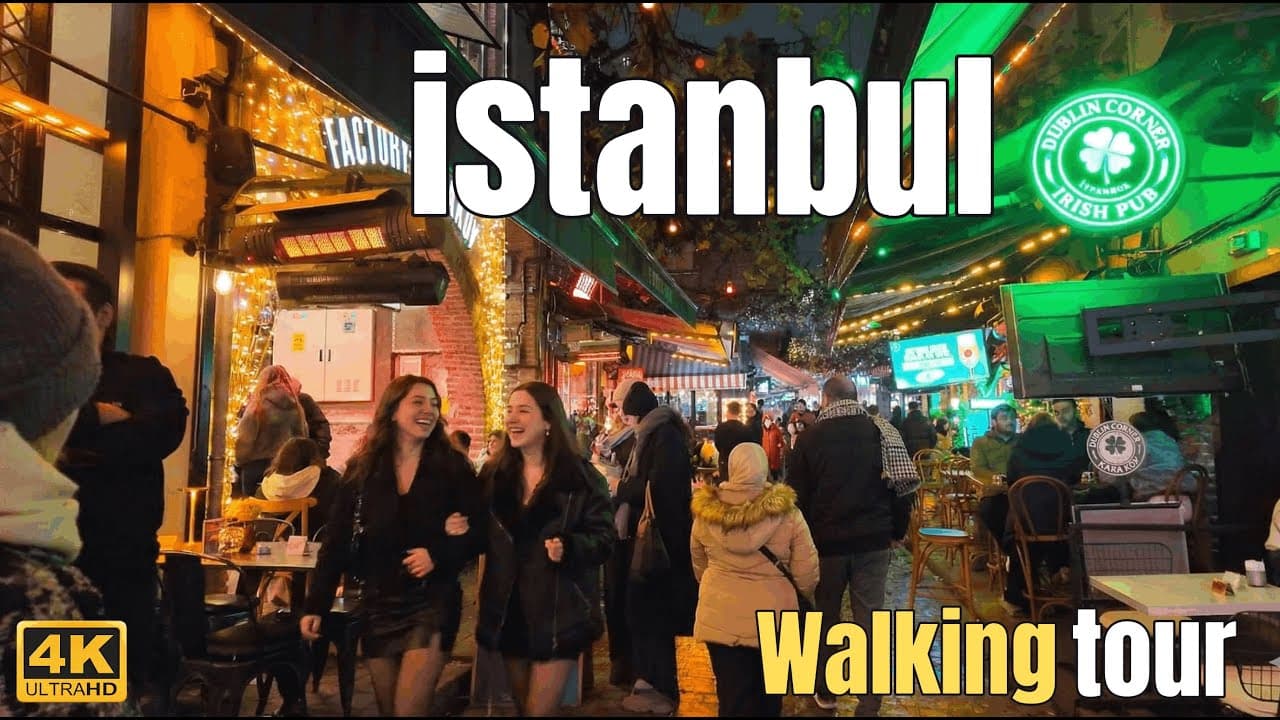
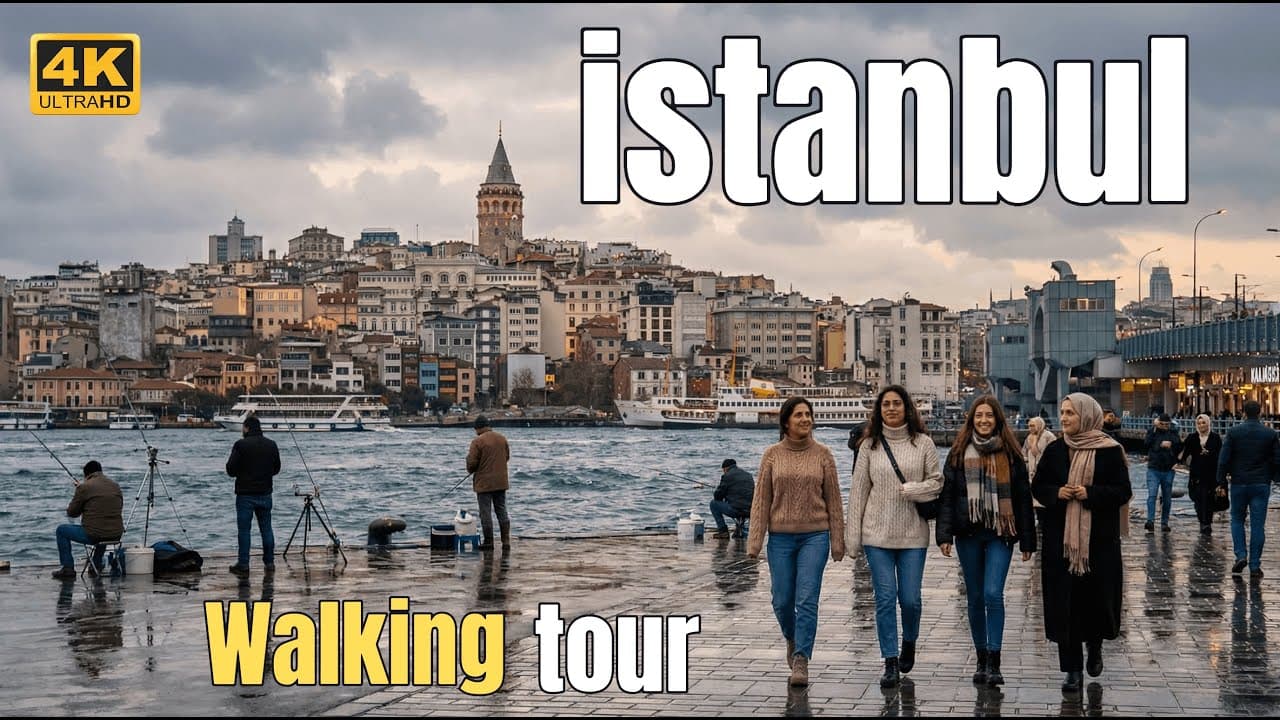
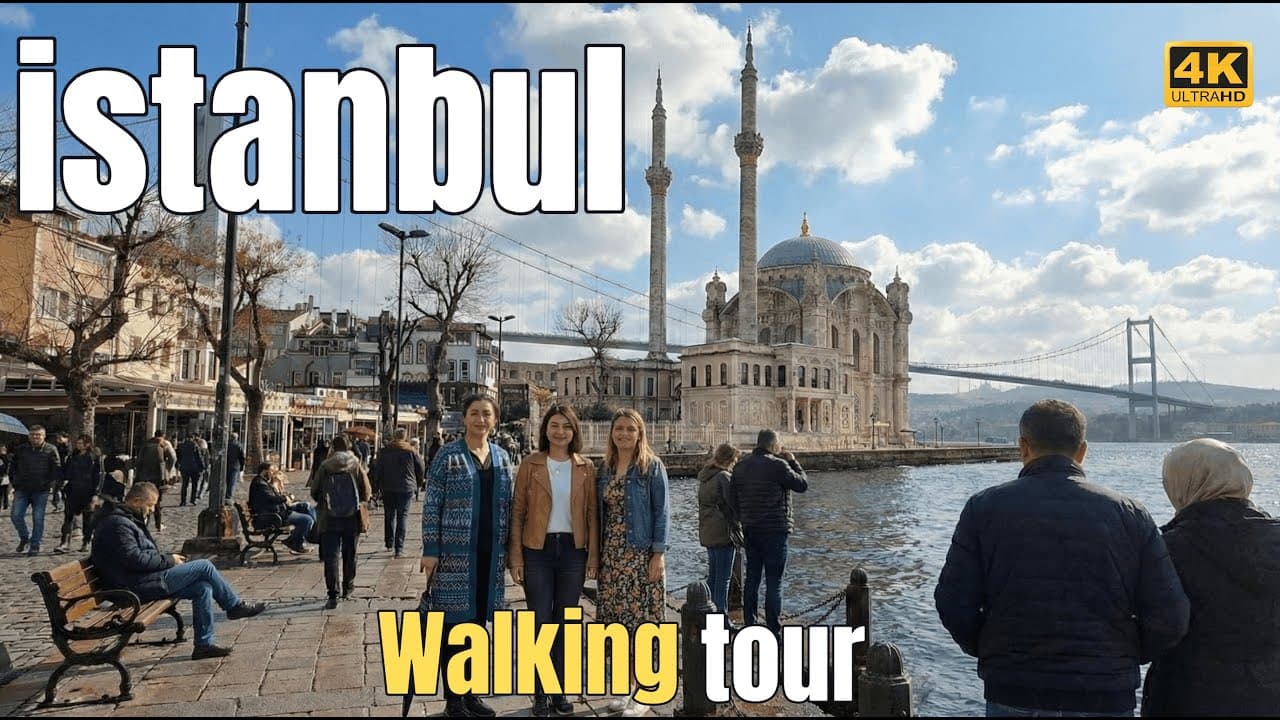
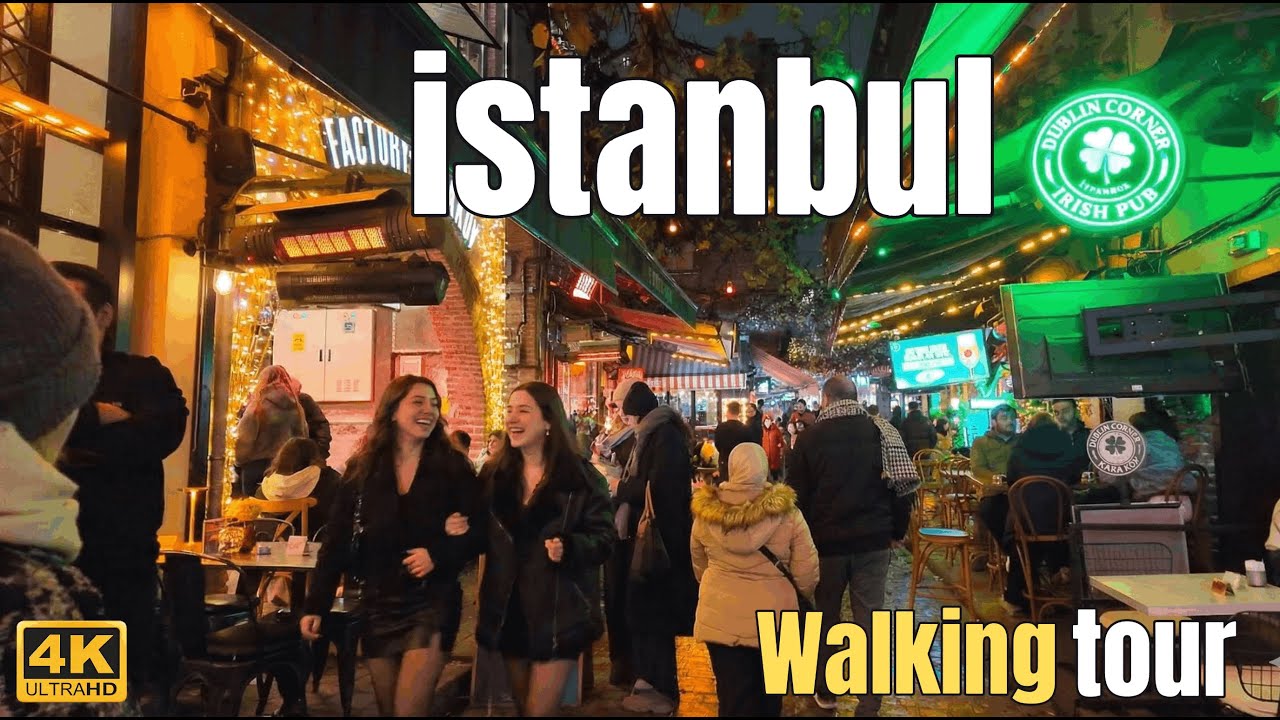
Istanbul Walking Tour 4K - Beautifully Lit Streets and Shops of Karaköy & Galataport at Night
Watch the 4K walkPlaces on the map
10 pinsNumbers match the order in the article. Tap a pin for directions.
Karakoy: the old port strip that turned into a shore of cafes and museums
Karaköy is the waterfront strip under the Galata Tower, where the Golden Horn meets the Bosphorus. For most of its history it was a working port: customs sheds, ship agents, moneychangers, a fish market by the bridge. The port work moved on, and the sheds and bank buildings filled with coffee roasters, galleries and one of Turkey's most important art museums, while the ferries kept running exactly as before.
That double life is the point of the place. The front line by the piers is fast, loud and smells of grilled fish; two lanes back it is quiet stone facades and slow coffee. Toward Tophane, the shore turns into a row of Ottoman monuments, a restored 16th-century bath, a cannon foundry and finally the long promenade of Galataport.
The common mistake is to treat Karaköy as a brunch stop. Eat, yes, but the shore between the bridge and Tophane holds five centuries of waterfront history, and it takes barely two kilometres of flat walking to see all of it.
Quick answer
Karaköy is Istanbul's revived old port quarter under Galata, a flat shore walk of ferries, sweet shops, Ottoman waterfront monuments and Istanbul Modern.
- Come by ferry or T1 tram; everything here is walkable and flat, rare in this city.
- Do the food early: baklava and coffee before the late-morning crowd.
- Walk the line: quay, French Passage, Underground Mosque, then the Tophane monuments, Istanbul Modern and Galataport.
1. The Karakoy quay and cafes
The quay between the Galata Bridge and the car-ferry pier is Karaköy's engine room: commuter ferries to Kadıköy, fishermen on the bridge rail above, and a knot of streets just inland where the third-wave coffee movement set up its first Istanbul shops. The cafes cluster on and around Mumhane Street, in old ship-agency buildings with high ceilings and worn marble stairs. Weekday mornings belong to locals with laptops; weekends bring queues for brunch tables. Nothing here needs a plan, which is its charm: get off a ferry, pick a lane, follow the smell of roasting beans. Keep your bag zipped in the crowd near the piers, as anywhere around transport hubs. From the quay you can see three monuments of this guide before you have walked five minutes.
2. The Karakoy sweet shops
Karaköy's name is welded to baklava. The quarter's sweet houses, led by a famous family shop that has been layering pistachio and butter here for generations, sell baklava by the tray to a standing crowd from early morning. Etiquette is simple: order at the counter, eat fast at a high table, do not expect a long linger. Go before noon; by mid-afternoon the queue can reach the pavement and the popular trays run out. Beyond baklava, the same block does künefe, sütlaç and a proper Turkish coffee to cut the syrup. Prices are posted, portions are honest, and a plate of two or three pieces is plenty. It makes the natural start or finish of the shore walk, thirty seconds from the ferry pier.
3. The French Passage
The Fransız Geçidi is a short covered arcade between Mumhane and Kemankeş streets, built in the 19th century as a trade passage and restored into a lane of cafes and small shops under a glass-and-iron roof. It is not a major monument, and that is its use: a calm, pretty shortcut where the waterfront's noise drops away, good for a coffee when the quay tables are full. The stone arches and hanging plants photograph well in the soft midday light. Around it, Kemankeş Street keeps a line of solid old bank and insurance buildings that show what a serious port district this was. Two minutes of browsing, five if you sit; fold it into the walk rather than seeking it out.
4. The Underground Mosque
The Yeraltı Camii, the Underground Mosque, is exactly what its name says: a low, vaulted prayer hall sunk below street level in the base of what was once a Byzantine tower guarding the harbour chain across the Golden Horn. The forest of thick piers and low arches feels closer to a cistern than a mosque, and the tombs of early Islamic-era figures inside make it a place of quiet visitation. It is an active mosque, free to enter outside prayer times: dress modestly, shoes off, keep your voice down. Duck in for ten minutes between the quay and the sweet shops; there is nothing else like it on this shore, and most passers-by never notice the door.
5. Kilic Ali Pasha Mosque
Kılıç Ali Paşa was an Italian-born corsair who rose to command the Ottoman navy, and in the 1580s he had Mimar Sinan build him this mosque complex on land reclaimed at the water's edge in Tophane. Sinan, then in his nineties, quoted Hagia Sophia in miniature: a central dome on a half-dome axis, a wide porch, and light pouring across İznik tiles. It is one of the finest small mosques in the city and rarely crowded. Active mosque rules apply: modest dress, no visits during prayer, women cover their hair inside. The courtyard between the mosque, its medrese and the bath is a calm stone pocket beside the tram line, and the whole complex anchors the Tophane end of the Karaköy walk.
6. The Kilic Ali Pasha Bath
The hamam of the same complex, also Sinan's work from the 1580s, served the sailors of the Tophane arsenal for four centuries before a seven-year restoration returned it to use as one of Istanbul's most admired working baths. The great dome over the hot room, pierced with star-shaped skylights, is worth the visit alone. It runs on a schedule of separate hours for women and men and takes bookings; walk-ins can wait long or miss out, so reserve ahead and verify the current sessions and prices officially. A full wash-and-scrub visit takes about ninety minutes. If bathing does not appeal, the entrance hall can usually be glimpsed politely, but this is a functioning bath, not a museum.
7. The Tophane Fountain and Nusretiye Mosque
The square between the mosques holds the Tophane Fountain of 1732, one of the most richly carved street fountains the Ottomans ever built: a freestanding marble cube under wide eaves, every face covered in flowers and calligraphy. Beside it rises the Nusretiye Mosque, finished in the 1820s for Mahmud II in a theatrical baroque style, all curves and slender minarets, recently restored. Together with Kılıç Ali Paşa they make a three-century lesson in Ottoman taste within a hundred metres. The fountain is open street furniture, free at all hours and best photographed in morning light; the mosque follows normal visiting etiquette. The T1 Tophane tram stop is beside them, making this the easiest entry point for the whole shore.
8. The Tophane-i Amire (the old cannon foundry)
The name Tophane means cannon house, and the domed foundry that gave the district its name still stands above the square: the Tophane-i Amire, where the empire cast its artillery from Mehmed the Conqueror's time into the industrial age. The surviving hall, with its massive brick domes and furnaces, now belongs to a university and hosts exhibitions and cultural events. When a show is on, entry is usually free or cheap and the industrial interior is spectacular; between programmes the building stays closed, so check what is running before you climb the short hill. Even from outside, the scale of the domes tells you why European ambassadors reported nervously on this address for three centuries.
9. Istanbul Modern
Istanbul Modern, the city's flagship museum of modern and contemporary art, returned to its Karaköy waterfront in 2023 in a new building by Renzo Piano: a low, light-filled block whose reflective canopy plays with the water. Inside are the permanent collection of Turkish modern art, international temporary shows, a cinema and a good bookshop; the top-floor terrace, with its shallow reflecting pool, frames the historic peninsula across the water and is worth the ticket on a clear day by itself. Allow two hours. Closed on standard museum days and busiest on weekend afternoons; verify hours and ticket prices officially. The museum sits between the Tophane monuments and Galataport, so it slots naturally into the final third of the shore walk.
10. Galataport
Galataport is the rebuilt cruise terminal that turned the last closed kilometre of this shore into a public promenade: the ships dock over an underground terminal, and the surface is a line of restaurants, shops and open quay with the Bosphorus at your elbow. Judged as a mall it is a mall; judged as reclaimed waterfront it is the first time in living memory you can walk this stretch at the water's edge. On days when a big ship is in, the promenade fills with thousands of passengers and security lines tighten; on ship-free evenings it is a genuinely pleasant sunset walk from Istanbul Modern toward the Fındıklı parks. Entry is free, bags may be scanned at the gates.
Getting there
Karaköy may be the easiest quarter in Istanbul to reach: the T1 tram stops at both Karaköy and Tophane, ferries arrive from Kadıköy and Üsküdar, and the M2 metro connects via the short walk or Tünel funicular from Şişhane and Beyoğlu. Coming from Sultanahmet, simply walk across the Galata Bridge. The whole guide runs along two flat kilometres of shore, so no transport is needed once you arrive.
When to go
Weekday mornings give you the sweet shops and cafes before the crowd and the mosques between prayer times. Weekend brunch hours are the busiest the back lanes get. For Istanbul Modern and Galataport, late afternoon into sunset is the reward, with the historic peninsula lighting up across the water. Check the cruise calendar mood: a docked megaship changes Galataport's character completely. In rain, this is actually one of the city's better walks, since the arcade, museum, bath and mosques string together short indoor stretches.
Eating and drinking
Baklava is the signature, but the quarter feeds you all day: fish sandwiches by the bridge, menemen and simit breakfasts in the cafe lanes, künefe after dark. The coffee scene remains among the city's best, from flat whites to properly thick Turkish coffee. Toward Tophane, tea gardens with nargile take over. Prices near the ferry pier and inside Galataport run higher than two streets inland; menus are posted, so compare before sitting.
Frequently asked questions
How long does Karakoy take?
The shore walk with stops is a comfortable half day. Add ninety minutes if you bathe at the hamam and two hours for Istanbul Modern.
Is Karakoy just cafes now?
No. Between the bridge and Galataport stand a Byzantine-founded mosque in a tower base, two major Ottoman mosques, an imperial fountain, a working 16th-century bath and the cannon foundry that named the district.
Do I need to book the Kilic Ali Pasha bath?
Yes, booking ahead is strongly advised, and men's and women's hours differ. Verify the current schedule and prices officially.
Is the area safe at night?
The main shore and Galataport stay lively and well lit into the evening. The back lanes go quiet after the cafes close; normal city awareness is enough.
Planning questions
What does this İstanbul guide cover?
Explore Karakoy around its waterfront, baklava, fish restaurants, Istanbul Modern and the Tophane mosques.
Can I watch a 4K walking tour of İstanbul?
Yes. The page links to Travel Walk Tours films so you can preview the İstanbul route on a big screen before you go.
How should I use this page to plan?
Read the quick answer first, skim the route notes, then compare street texture, timing, and nearby guides through the linked city page and walking films.